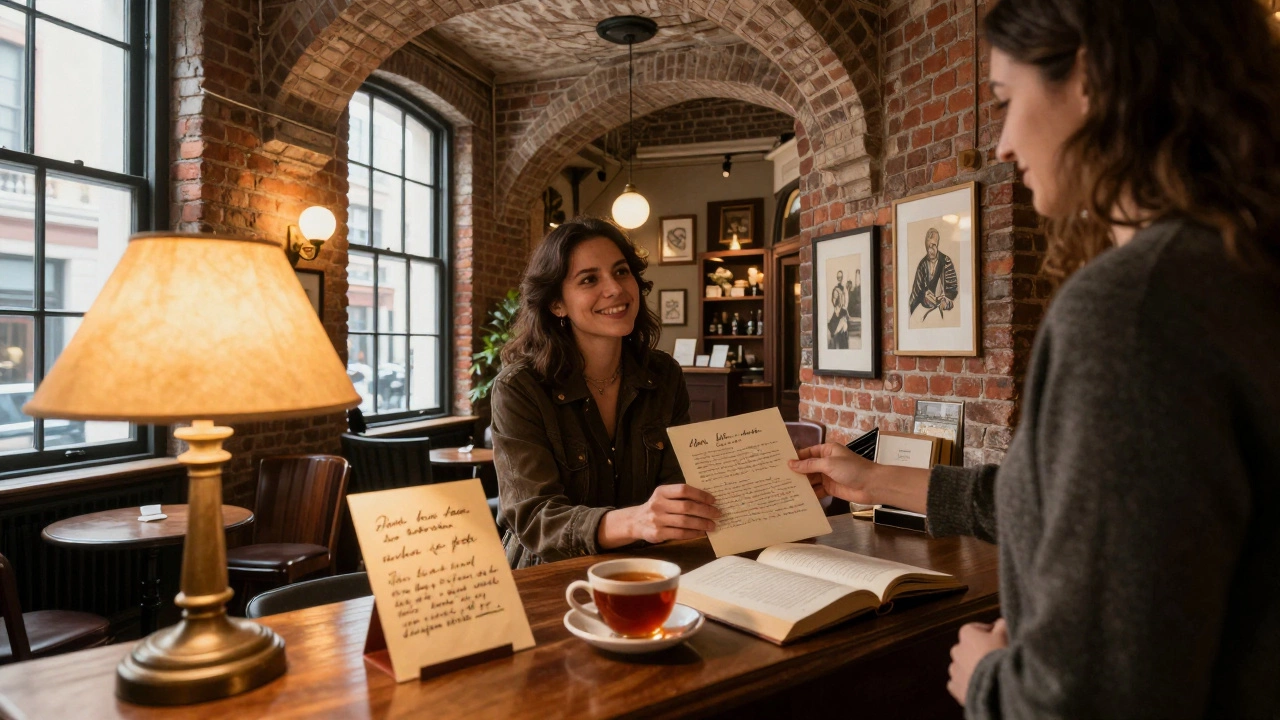
Ever checked into a hotel and felt like you were just another room number? That’s the kind of experience you get at a regular hotel. Now imagine walking into a place where every corner tells a story, the staff knows your name by breakfast, and the lobby smells like fresh coffee and old books. That’s a boutique hotel. The difference isn’t just in the price tag-it’s in the whole feeling.
Size Matters
Boutique hotels are small. Really small. Most have fewer than 100 rooms. Some have just 12. Regular hotels? They often have 200, 400, even 1,000 rooms. That size difference changes everything. In a big hotel, you might wait 10 minutes for an elevator. In a boutique hotel, you walk down one hallway and the front desk is right there. You don’t check in with a robot. You check in with someone who remembers you from last year.
Small means personal. It also means no crowds. No long lines at breakfast. No echoing hallways. Just quiet corners, cozy nooks, and a sense that the place was built for people, not profit margins.
Design Isn’t an Afterthought
Regular hotels follow a playbook. White walls. Brown carpet. Same lamp. Same chair. Same TV. It’s safe. It’s predictable. And it’s everywhere.
Boutique hotels? They break the rules. One might be a restored 1920s bank with vaults turned into suites. Another could be a converted church with stained glass windows over the bed. The furniture? Handmade. The art? Local. The lighting? Moody and intentional. Every detail is chosen because it fits the story of the building or the neighborhood.
You won’t find a chain logo on the pillowcase. You’ll find a hand-painted tile from the owner’s trip to Oaxaca. That’s not marketing. That’s personality.
Staff Knows You, Not Just Your Reservation
At a regular hotel, the front desk agent might say, “Enjoy your stay,” and mean it. At a boutique hotel, they’ll say, “We’ve got your favorite tea waiting in your room,”-because they looked up your profile from last visit. Or they’ll notice you’re carrying a sketchbook and hand you a list of the best street art spots nearby.
Staff in boutique hotels don’t just work there. They live there. They know the baker down the street who makes the best croissants. They know which bar has live jazz on Tuesdays. They’ll text you a map if you ask for a quiet walk. That kind of service doesn’t come from a script. It comes from care.
Food Is Local, Not Generic
Regular hotel breakfast? Same scrambled eggs. Same packaged fruit. Same lukewarm coffee from a machine that’s been running since 6 a.m.
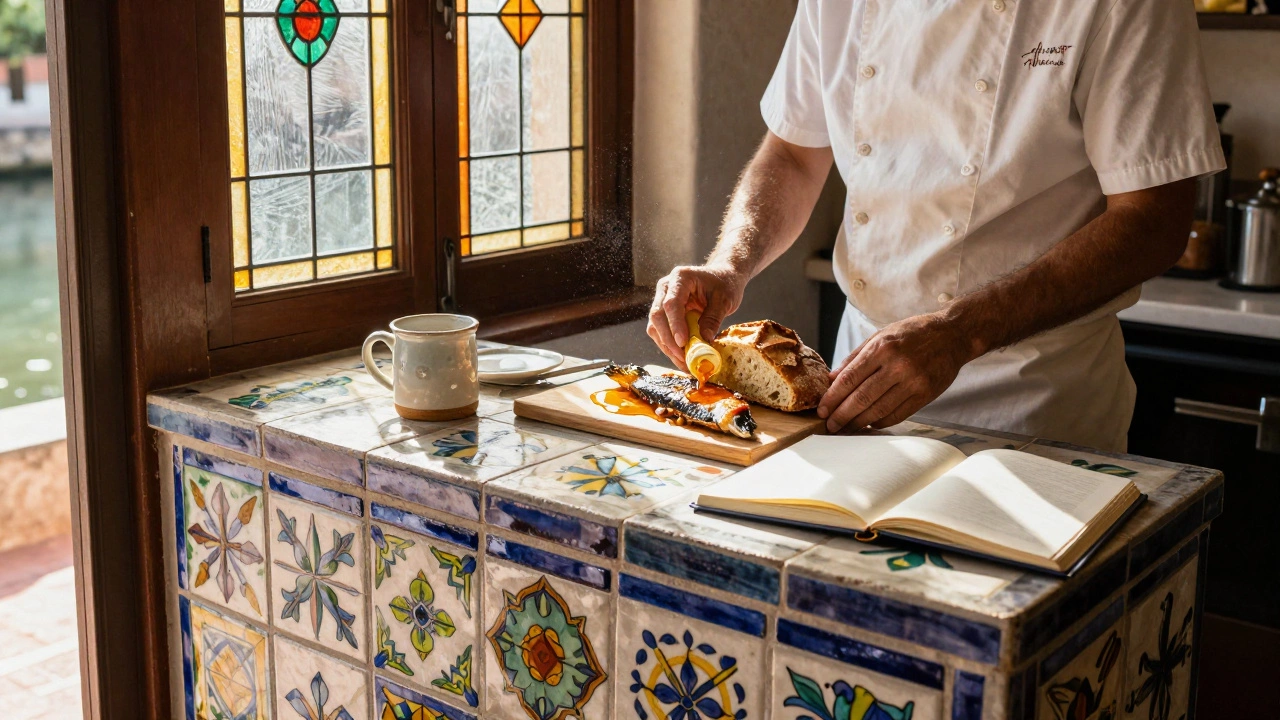
Boutique hotel breakfast? Maybe it’s house-made sourdough with local honey. Maybe it’s smoked trout from the river 20 miles away. Maybe the chef grew up in the town and still visits the farmer’s market every morning. The menu changes weekly. The coffee beans are roasted 10 minutes down the road. You’re not just eating food-you’re tasting the place.
And dinner? You won’t find a “hotel menu” with 12 versions of pasta. You’ll find a chef’s tasting menu, maybe only six courses, all made with ingredients sourced within 50 miles. It’s not fancy for the sake of being fancy. It’s real.
It’s Not About Amenities. It’s About Experience.
Regular hotels sell amenities: pool, gym, spa, business center, room service 24/7. They’re built to check boxes. If you want a hot tub, you pick a hotel with a hot tub.
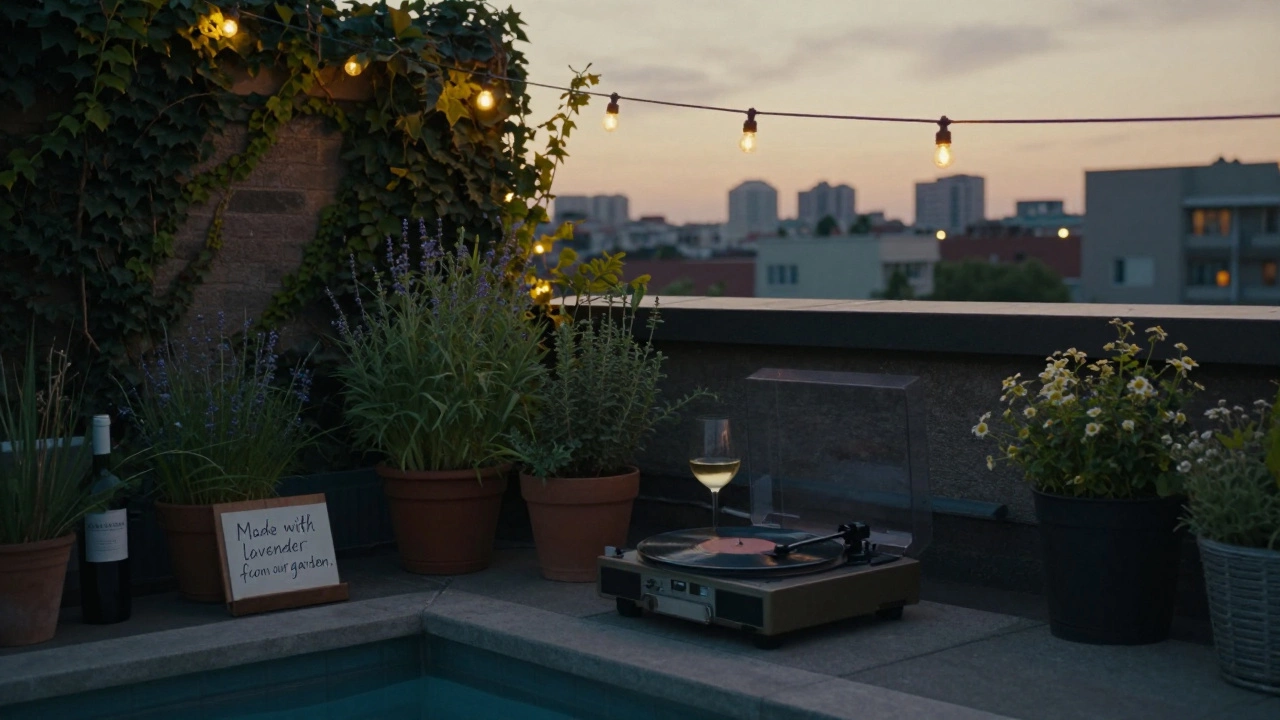
Boutique hotels don’t have every amenity. But they have the right one. Maybe it’s a rooftop garden where you can watch the sunset with a glass of wine. Maybe it’s a library with first editions and a fireplace. Maybe it’s a vintage record player in every room, stocked with local vinyl.
These aren’t add-ons. They’re the point. You’re not paying for a place to sleep. You’re paying for a moment you won’t forget.
Price? It’s Not Always Higher
People assume boutique hotels are luxury. And sometimes they are. But not always. A boutique hotel in a small coastal town might cost less than a chain hotel in the same city. Why? Because they don’t spend money on corporate advertising, global loyalty programs, or 12-floor lobbies.
You’re paying for authenticity, not branding. That means you can find boutique stays for $150 a night-same price as a basic room at a big hotel. But the experience? Totally different.
Some boutique hotels even skip the minibar. Why? Because they’d rather give you a homemade cookie and a note: “Made with lavender from our garden.”
Who Is It For?
Regular hotels work for business travelers who need consistency. For families who want a pool and a kid’s menu. For people who just need a bed before a 5 a.m. flight.
Boutique hotels? They’re for people who want to feel something. Travelers who care about where their money goes. People who like stories over spreadsheets. Those who’d rather have one unforgettable night than five average ones.
It’s not about being rich. It’s about being intentional.
What You Won’t Find
Boutique hotels don’t have loyalty programs with points. You won’t get a free night after 10 stays. They don’t have apps to unlock your door. They don’t have 24-hour concierges who’ve never left the hotel lobby.
And sometimes, they’re not perfect. The Wi-Fi might be slow. The shower pressure might be weak. The breakfast might end at 10 a.m. But those aren’t flaws-they’re signs it’s real. No corporation is behind it. Just people who love what they do.
When to Choose Which
If you’re traveling for work and need to print something, get a coffee at 2 a.m., and have a reliable room-go with the chain hotel.
If you’re traveling to celebrate, to disconnect, to feel like you’ve stepped into a different world-choose the boutique hotel. Even if it’s just for one night.
The difference isn’t in the bed sheets. It’s in the heartbeat of the place.
Are boutique hotels always more expensive than regular hotels?
No, not always. While some boutique hotels are luxury and priced higher, many are surprisingly affordable-sometimes even cheaper than big-name chains in the same city. You’re paying for character, not brand. A boutique hotel in a small town might cost $120 a night, while a chain hotel across the street charges $160 for a standard room with no personality.
Do boutique hotels have pools or gyms?
Sometimes, but not always. Many boutique hotels skip big amenities like pools or gyms because they focus on unique experiences instead. Maybe they offer free bike rentals, a rooftop terrace with city views, or a curated bookshelf with local authors. If a pool or gym is essential, check ahead-some boutique hotels do have them, but they’re usually smaller and more intimate than the ones at big resorts.
Can families stay at boutique hotels?
Yes, but not all are designed for kids. Some boutique hotels are quiet, adults-only spaces. Others welcome families and might offer extra beds, board games, or even kid-friendly breakfast options. Always check their policy before booking. A boutique hotel in a beach town might have a sandbox and a family suite, while one in a historic district might be better for couples or solo travelers.
Are boutique hotels more eco-friendly?
Many are, by default. Because they’re small and locally owned, they often source food and materials nearby, use less energy, and avoid mass-produced decor. Some install solar panels, compost food waste, or use refillable toiletries. But not all are certified green. Look for mentions of local sourcing, energy efficiency, or waste reduction on their website.
Do boutique hotels offer loyalty programs?
Rarely. Most boutique hotels don’t have loyalty programs because they don’t need them. They rely on word of mouth and repeat guests who come back because they loved the experience, not because they earned a free night. If you stay multiple times, they’ll remember you-and might upgrade you or leave a bottle of wine in your room. That’s their kind of loyalty.
How do I find a good boutique hotel?
Look beyond the big booking sites. Check local travel blogs, Instagram hashtags like #boutiquehotel[cityname], or websites like Design Hotels or Small Luxury Hotels of the World. Read reviews that mention specific details-like the owner’s name, the scent of the lobby, or the handwritten note left in your room. Those are signs of a real boutique experience.