Net-Zero Home Cost & Savings Calculator
Building an eco-friendly home typically costs 10-20% more upfront but saves significantly on utility bills over time. Use this tool to estimate your investment and payback period.
Upfront Investment
$0
+$0
$0
Annual Savings
$0
$0
$0
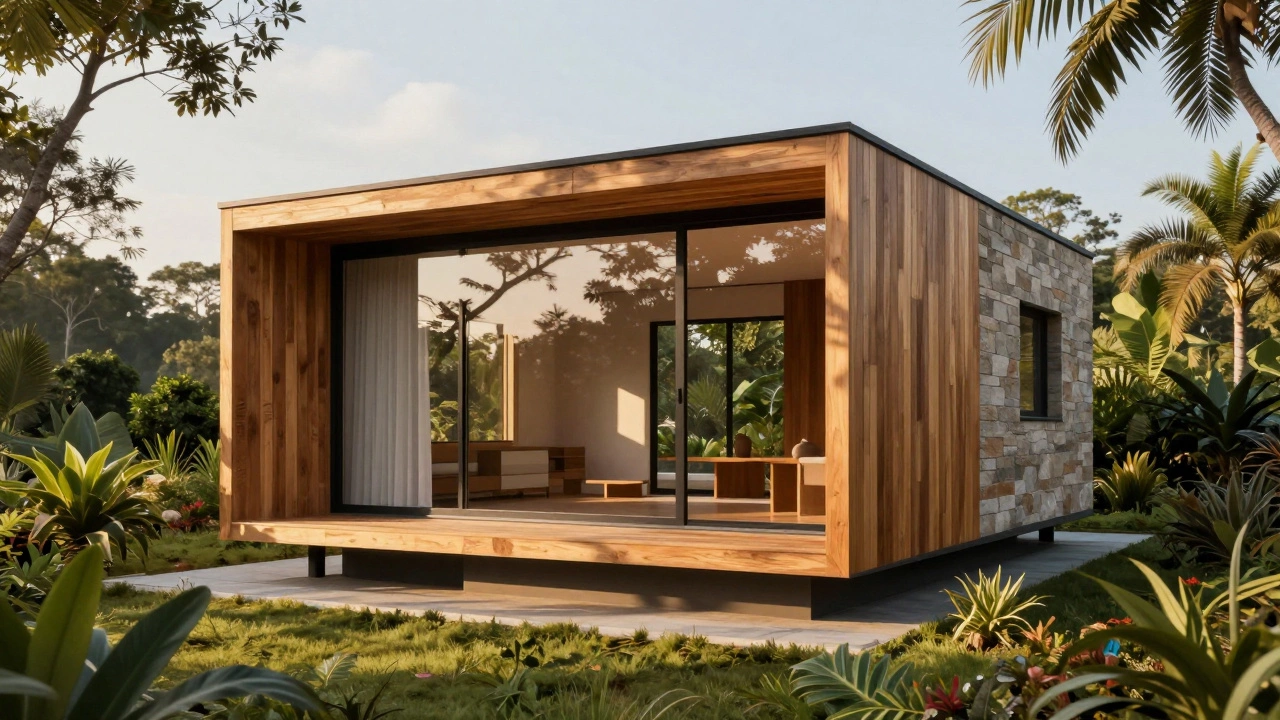
Building a house that doesn't harm the planet sounds like a dream, but for many homeowners, it feels like a puzzle with missing pieces. You want comfort, you want style, and you want low bills, but you also want to leave a light footprint on the earth. The question isn't just about adding solar panels to a standard brick home. It’s about rethinking how we build from the ground up.
The short answer? The most environmentally friendly house is one that produces more energy than it uses, relies on natural insulation, and is built with materials that don’t trap carbon in the ground forever. We call these net-zero energy homes. But getting there requires looking at three main pillars: the shell of the house (insulation and air tightness), the systems inside (heating and cooling), and the materials used to build it.
The Golden Rule: Passive Design First
Before you buy a single brick or pour concrete, you need to look at the shape and orientation of the house. This is called passive design, and it’s the secret weapon of eco-friendly builders. If you get this right, you’ll spend less money on heating and cooling for the rest of your life.
In Ireland and much of Europe, the sun is our biggest free resource. An eco-friendly cottage should face south to capture winter sunlight through large windows. These windows act like solar collectors, warming the interior naturally. In summer, overhangs or trees block the high sun to keep things cool. It’s simple physics, but it cuts energy needs by up to 50% before you even turn on a heater.
Think about the shape too. A cube is better than a sprawling L-shape. Why? Less surface area means less heat escaping. Every corner you add increases the chance for drafts and heat loss. Keep it compact, keep it tight, and let nature do the heavy lifting.
Super Insulation and Airtightness
A traditional house leaks heat like a sieve. An eco-friendly home is wrapped like a thermos. This concept is central to the Passive House standard, which originated in Germany and has become the gold standard for efficiency worldwide.
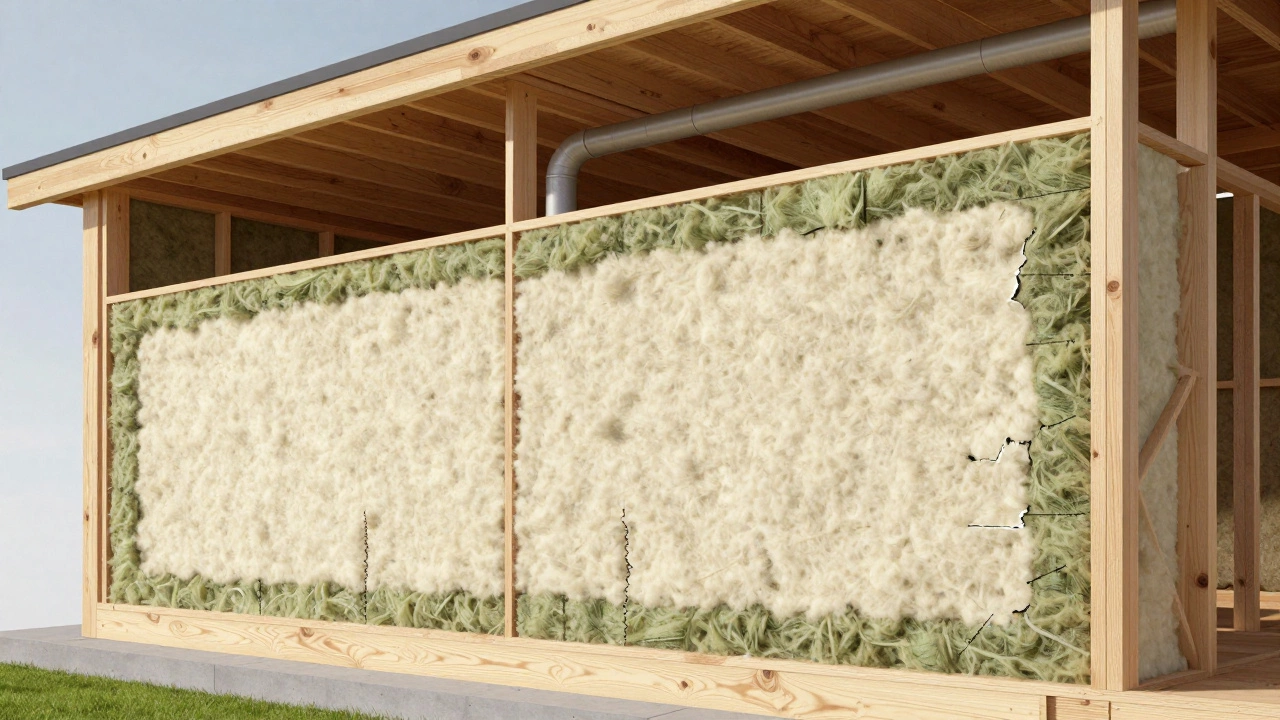
You need thick insulation-not just in the walls, but in the roof and the floor. Natural insulators are gaining popularity because they’re breathable and have a lower environmental impact than synthetic foams. Materials like sheep’s wool, hempcrete, and cellulose (recycled paper) are excellent choices. They regulate moisture well, preventing mold, which is a common issue in older, damp Irish homes.
But insulation alone isn’t enough. You must make the house airtight. This means sealing every crack, gap, and joint. It sounds extreme, but an airtight envelope ensures that the warm air stays in during winter and out during summer. To breathe, the house uses a mechanical ventilation system with heat recovery (MVHR). This device pulls stale air out, captures its heat, and uses it to warm the fresh air coming in. You get fresh oxygen without losing warmth.
| Material | Environmental Impact | Thermal Performance | Best For |
|---|---|---|---|
| Hempcrete | Carbon negative (absorbs CO2) | Good | Walls, moisture regulation |
| Sheep’s Wool | Renewable, biodegradable | Very Good | Roofs, internal walls |
| Cellulose | Recycled content | Excellent | Cavity walls, attics |
| Polyurethane Foam | High embodied carbon | Excellent | Space-constrained builds |
Choosing Low-Carbon Materials
We often focus on operational carbon-the energy used to run the house-but we forget embodied carbon. This is the carbon emitted during the manufacturing and transport of building materials. Concrete and steel are heavy hitters here. Producing one ton of cement releases nearly a ton of CO2.
To build the greenest house, swap concrete foundations for timber piles where possible, and use cross-laminated timber (CLT) instead of steel frames. CLT is strong, lightweight, and stores carbon rather than releasing it. Wood is renewable; if managed sustainably, it’s a carbon sink. Brick and stone are durable and local, which reduces transport emissions, but they are energy-intensive to produce. Use them sparingly, perhaps for cladding rather than structural walls.
Don’t overlook finishes. Choose reclaimed wood for flooring, recycled glass countertops, and paints with low volatile organic compounds (VOCs). These choices improve indoor air quality and reduce the chemical load on the environment.
Energy Systems: Going Net-Zero
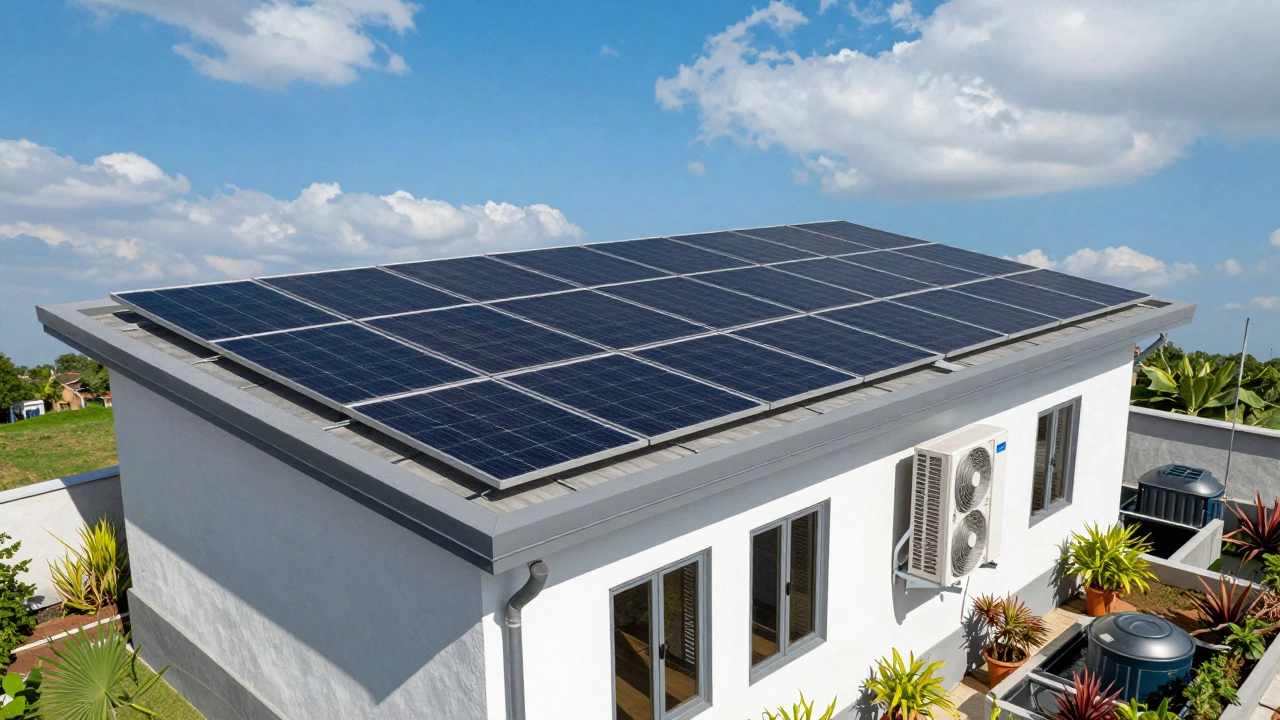
Once the house is super-insulated and airtight, its energy demand drops dramatically. Now you can meet that small demand with renewable sources. Solar photovoltaic (PV) panels are the most common choice. In 2026, technology has improved so much that panels work efficiently even on cloudy days, making them viable for Irish winters.
Pair solar with a battery storage system. This allows you to store excess energy generated during the day and use it at night. For heating, forget gas boilers. Install an air-source or ground-source heat pump. These devices move heat from the outside air or ground into your home. They are three to four times more efficient than electric heaters and can provide both heating and hot water.
If you live in a rural area with space, consider a biomass boiler using locally sourced wood chips. It’s carbon-neutral because the trees absorb CO2 as they grow. However, ensure the wood comes from sustainable forestry practices to avoid deforestation.
Water and Waste Management
An eco-friendly house thinks about water too. Install rainwater harvesting systems to collect runoff from the roof. Use this water for flushing toilets, washing cars, and watering gardens. It reduces strain on municipal supplies and lowers your water bill.
Greywater recycling systems treat water from sinks and showers so it can be reused. Combine this with water-efficient fixtures like low-flow showerheads and dual-flush toilets. On-site composting toilets are another option for off-grid builds, eliminating the need for sewage connections entirely.
The Cost vs. Benefit Reality
Let’s talk money. Building an eco-friendly house costs more upfront-typically 10% to 20% more than a conventional build. This covers specialized labor, high-performance materials, and renewable energy systems. However, the payback period is shrinking. With rising energy prices, a net-zero home can save thousands in utility bills annually.
Plus, there’s resale value. Buyers increasingly prioritize energy efficiency. A home with low running costs and healthy indoor air quality commands a premium in the market. Government grants and tax incentives for green building also help offset initial costs. Check local schemes for subsidies on heat pumps and solar installations.
Common Pitfalls to Avoid
Even well-intentioned builders make mistakes. Here are the top errors to watch out for:
- Ignoring thermal bridges: These are weak spots in the insulation, like around window frames or corners. They cause condensation and heat loss. Detail your plans carefully with a specialist.
- Overcomplicating systems: Fancy tech fails. Simple, robust systems last longer. Choose reliable heat pumps and solar inverters from reputable brands.
- Skip the blower door test: After construction, hire a professional to test airtightness. Without this, you won’t know if your insulation strategy worked.
- Underestimating ventilation: Airtight homes need good airflow. Poor MVHR installation leads to stuffy, humid air. Size the system correctly for your home’s volume.
Is It Worth It?
Building the most environmentally friendly house is an investment in resilience. As climate change brings more extreme weather, these homes stay comfortable regardless of outside conditions. They protect against energy price spikes and contribute to a healthier planet. It’s not just about saving the earth; it’s about creating a sanctuary that works for you and future generations.
Start with passive design, seal it tight, insulate it well, and power it with renewables. That’s the blueprint for the greenest home you can build today.
What is the cheapest way to build an eco-friendly house?
The most cost-effective approach is to prioritize passive design and insulation over expensive technology. Orient the house south, use a compact shape, and invest in high-quality natural insulation like cellulose or sheep's wool. Add solar panels later if budget is tight initially. This "passive first" strategy reduces long-term costs significantly.
Are wooden houses more eco-friendly than brick?
Generally, yes. Wood has a lower embodied carbon footprint than brick or concrete because trees absorb CO2 as they grow. Cross-laminated timber (CLT) is particularly strong and sustainable. However, brick lasts longer and requires less maintenance. The best choice depends on local availability and lifecycle analysis.
Can I retrofit my existing home to be eco-friendly?
Absolutely. Start with draught-proofing and adding loft insulation. Upgrade windows to double or triple glazing. Install a heat pump for heating and add solar panels. While not as efficient as a new build, retrofits can cut energy use by 50-70% and are often more affordable than rebuilding.
What is a Passive House certification?
Passive House is a rigorous international standard for energy efficiency. Certified buildings use 90% less heating energy than conventional ones. It requires strict limits on air leakage, high levels of insulation, and heat recovery ventilation. It’s the benchmark for ultra-low energy homes.
Do eco-friendly homes require special maintenance?
Not really. Most components are standard. However, you must maintain the MVHR filters regularly (every 3-6 months) to ensure good air quality. Solar panels need occasional cleaning. Heat pumps require annual servicing. Overall, these systems are low-maintenance compared to old gas boilers.