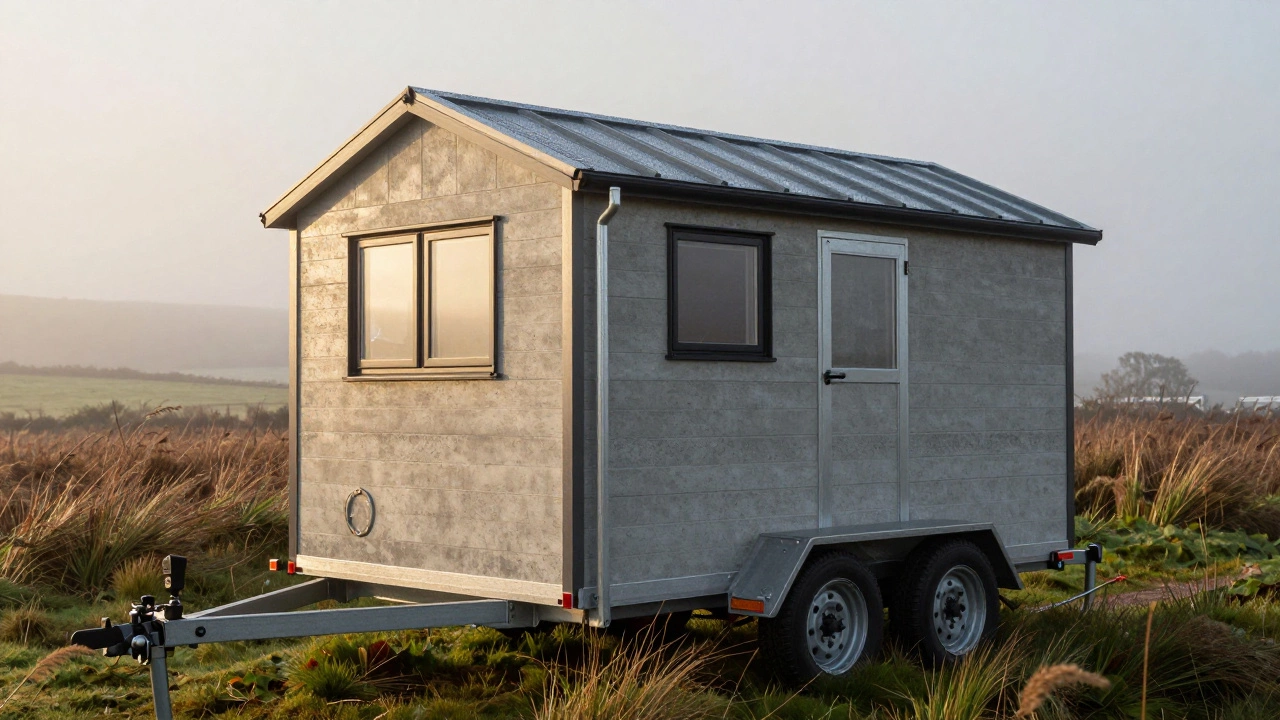
Tiny House Lifespan Estimator
How long will your tiny house last? Answer these questions to estimate your home's potential lifespan based on real-world factors that affect durability.
How long does a tiny house actually last? If you’re thinking about trading a 2,000-square-foot home for a 200-square-foot one, you’re not just buying a smaller space-you’re investing in a lifestyle. But before you sell your furniture and start building, you need to know: will this thing still be standing in ten years? Twenty? Thirty?
The short answer: a well-built tiny house can last 30 to 50 years, sometimes longer. But that’s not guaranteed. Many tiny homes built in the early 2010s are already showing signs of wear-not because the concept failed, but because too many were built like glorified sheds with no real engineering behind them.
What Makes a Tiny House Last?
Most tiny houses sit on trailers, which means they’re built differently from traditional homes. They need to handle road vibrations, weather swings, and shifting ground. That’s why the frame, insulation, and roofing matter more than paint color.
The foundation starts with the trailer. A good tiny house uses a heavy-duty steel trailer rated for at least 10,000 pounds. Cheaper models use lightweight trailers meant for hauling boats or ATVs. Those bend over time. I’ve seen one in County Kerry that had a twisted frame after five years-just from driving on Irish back roads.
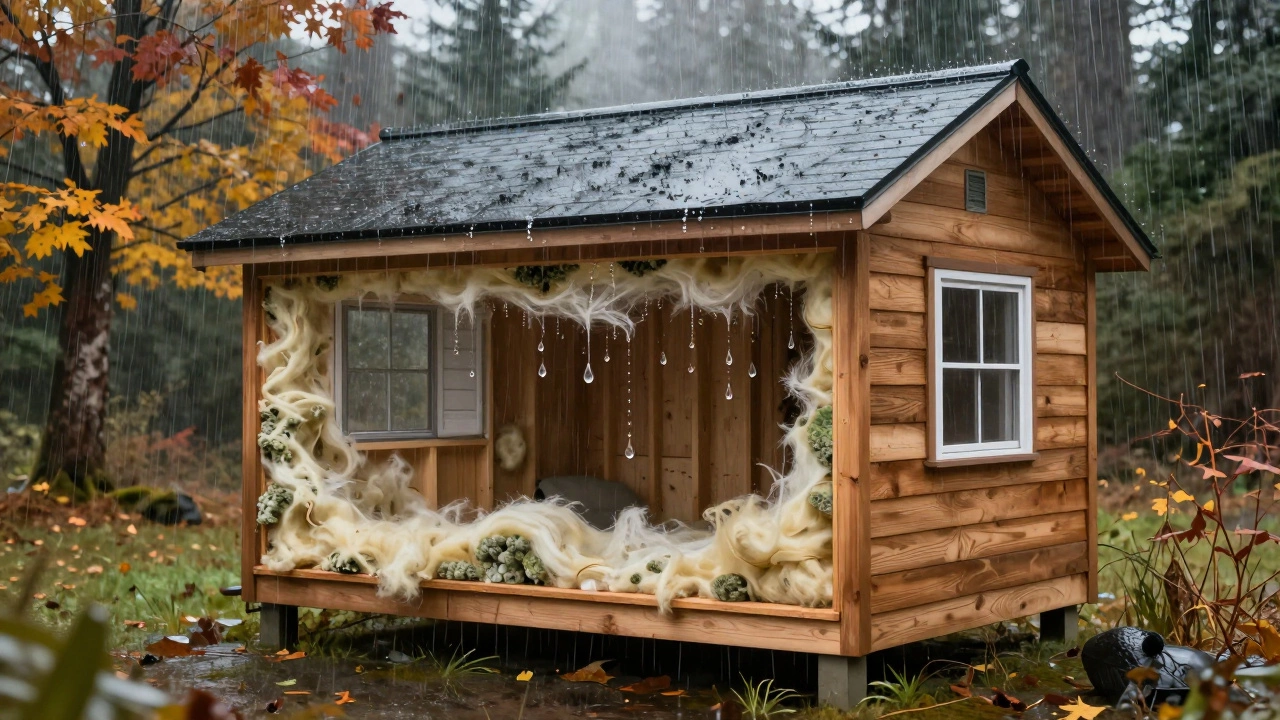
The walls? They’re usually framed with 2x4s or 2x6s, just like regular homes. But here’s where things go wrong: insulation. Many builders use cheap foam board or just fiberglass batts without a proper vapor barrier. In damp climates like Ireland or the Pacific Northwest, that leads to rot inside the walls-hidden until it’s too late.
Roofing is another weak spot. Metal roofs last 40+ years. Asphalt shingles? Maybe 15 to 20. I’ve seen tiny homes with asphalt roofs that leaked after three winters because the pitch was too shallow. Tiny houses need at least a 3:12 slope to shed rain properly.
Materials That Stand the Test of Time
Not all materials are created equal. Here’s what actually holds up:
- Exterior siding: Cement board (like HardiePlank) lasts longer than wood or vinyl. It doesn’t rot, warp, or need painting every few years.
- Windows: Double-pane, low-E glass with argon gas is standard now. Single-pane windows in a tiny house? That’s a heat thief and a condensation nightmare.
- Flooring: Engineered hardwood or luxury vinyl plank (LVP) works better than solid wood. Tiny houses flex. Solid wood cracks. LVP handles movement and moisture without swelling.
- Insulation: Spray foam (closed-cell) is the gold standard. It seals gaps and blocks moisture. Fiberglass? Only if it’s packed tight and covered with a vapor barrier.
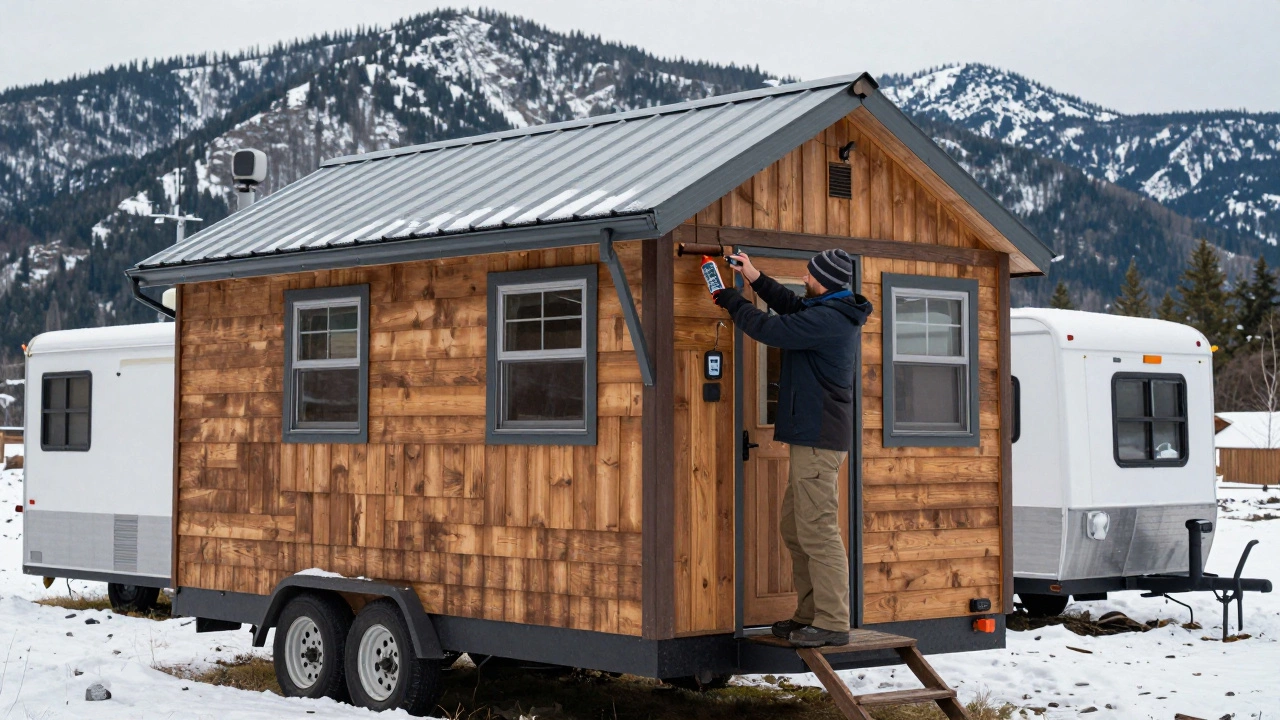
One builder in Oregon, using all these materials, had a tiny house that survived 25 years in the Cascade Mountains-snow, wind, freezing temps-and it still looks new. The owner never replaced the roof, the siding, or the windows. Just resealed the seams every five years.
Climate Changes Everything
Your tiny house’s lifespan depends heavily on where you live.
In dry, sunny areas like Arizona or Colorado, a tiny house can easily hit 50 years. The sun dries out moisture. The air doesn’t carry salt. No rot.
In humid, rainy places like the Pacific Northwest, coastal Maine, or Ireland, moisture is the silent killer. Without proper ventilation, condensation builds up inside walls. Mold grows. Wood rots. Steel rusts. One couple in Galway moved their tiny home from a trailer to a permanent foundation after six years because the floor joists were crumbling. They didn’t realize how much moisture was trapped under the trailer.
High-wind zones? Coastal areas or tornado-prone regions need reinforced corners, hurricane straps, and anchor systems. A tiny house on a trailer can become a projectile in 70 mph winds if it’s not tied down properly.
How You Use It Matters More Than You Think
A tiny house used as a weekend cabin lasts longer than one used as a full-time home. Why?
Everyday living creates wear. Cooking releases moisture. Showers flood the bathroom. Laundry dries indoors. People move furniture. Doors slam. Kids run through hallways.
Full-time residents need better ventilation. A bathroom fan that runs 20 minutes after every shower? Essential. A whole-house fan? Even better. One tiny home owner in Portland installed a heat recovery ventilator (HRV) and cut her mold problems by 90% in two years.
On the flip side, a cabin used only in summer, left empty in winter, gets less wear. But it’s vulnerable to temperature swings. If you don’t winterize it-drain the pipes, open the windows slightly, use desiccant packs-you’ll get condensation damage. I’ve seen three tiny homes in Donegal ruined by winter moisture because the owners thought "it’s just a tiny house, it’ll be fine."
Maintenance: The Secret to Longevity
Here’s the truth: tiny houses don’t last because they’re magic. They last because someone checks them.
Here’s what you need to do, every year:
- Check the roof seams and flashing. Re-seal with silicone or butyl tape if you see cracks.
- Inspect the trailer frame for rust. Sand and paint with rust-inhibiting primer if needed.
- Look for gaps around windows and doors. Caulk any that let in air or water.
- Test your moisture levels with a cheap hygrometer. If indoor humidity stays above 60%, you need better ventilation.
- Check the undercarriage. Dirt, leaves, and debris trap moisture. Clean it out twice a year.
- Inspect the plumbing. Tiny homes have short, exposed pipes. Insulate them in winter. Drain them if you’re away for more than a week.
One couple in Vermont spends three hours every fall doing this checklist. Their tiny house is 18 years old. The original roof, windows, and walls are still in place. They didn’t spend a fortune. They just stayed consistent.
What Happens After 30 Years?
After three decades, your tiny house won’t suddenly collapse. But parts will need replacing.
Roofing, windows, and insulation are the first to go. Flooring might need a refresh. The trailer? If it’s still solid, you can keep it. But if the frame is bent or rusted through, you’re better off building a new one on a new trailer.
Some people upgrade. They swap out old appliances for energy-efficient ones. Add solar panels. Install a composting toilet. Others just move on. There’s no shame in that. A tiny house doesn’t have to last forever to be worth it.
One woman in British Columbia lived in her tiny home for 27 years. When she finally moved into a bigger place, she sold the tiny house-still on its original trailer-for $32,000. The buyer restored it and used it as a guest cabin. It wasn’t new. But it was still useful. That’s the real win.
Is a Tiny House Right for You?
It’s not about saving money. It’s about building something that lasts.
If you’re willing to do the work-check the roof, fix the seals, manage moisture-you can have a home that lasts longer than most suburban houses. If you’re hoping to buy a tiny house, park it, and forget about it? You’ll be disappointed.
Think of it like a car. A well-maintained Toyota can go 300,000 miles. A neglected one? It dies at 80,000. Tiny houses are the same.
Build smart. Maintain regular. Respect the weather. And you won’t just have a tiny house-you’ll have a home that stands the test of time.