Beach Accommodation Finder
Which accommodation fits your beach vacation best?
Answer these questions to find your ideal stay.
When you’re planning a beach getaway, you’ll see plenty of options labeled as either a beach hotel or a beach resort. At first glance, they might look the same: sun, sand, ocean views, and a pool. But the real difference isn’t in the view-it’s in the experience. Choosing the wrong one can mean paying extra for services you don’t need-or missing out on the full vacation vibe you were hoping for.
What a Beach Hotel Actually Offers
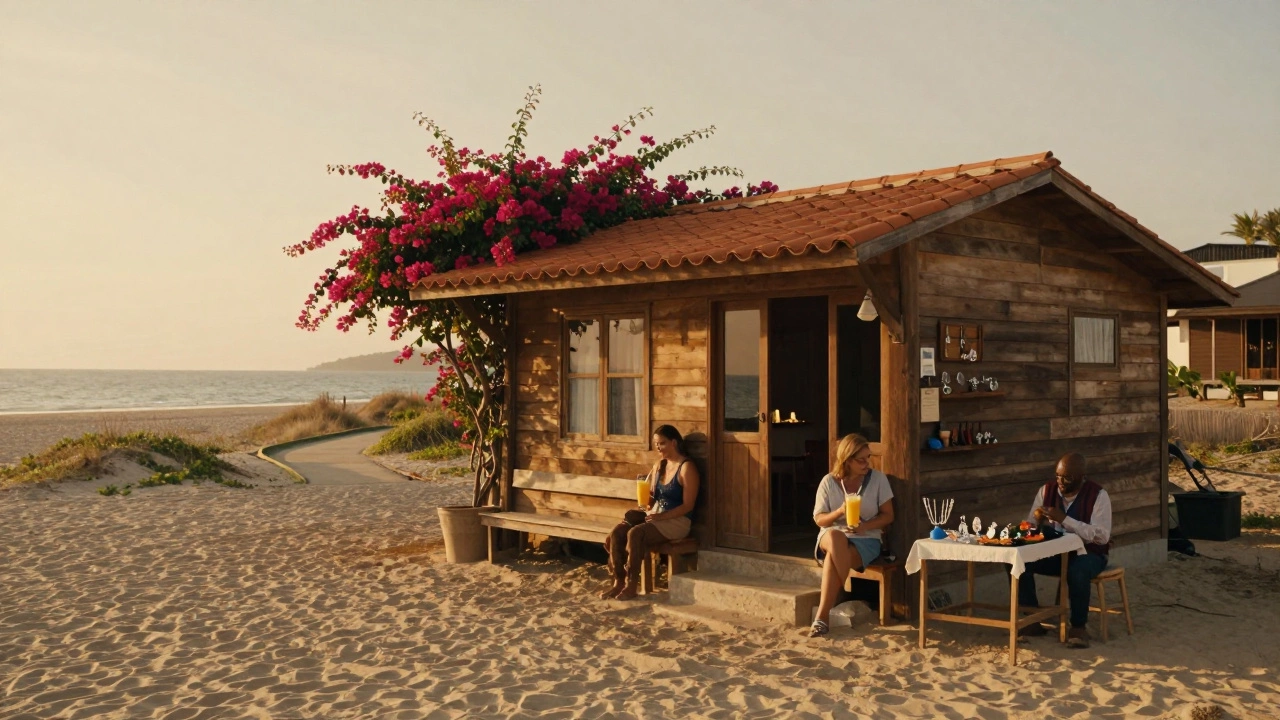
A beach hotel is, at its core, a place to sleep near the water. It’s designed for convenience and comfort, not for total immersion. You’ll get a room, a bathroom, maybe a small breakfast, and direct access to the beach. That’s it. No spa. No kids’ club. No nightly entertainment. Think of it like a city hotel that just happened to end up on the coast.Many beach hotels are small-sometimes just 20 to 50 rooms. They’re often family-run or independently owned. You might find one in a quiet coastal town where the main street ends at the sand. The staff knows your name by day two. The restaurant serves local fish caught that morning. There’s no fancy lobby bar, but there’s a bench outside where you can sip coffee and watch the tide roll in.
Beach hotels are great if you want to explore. You’re usually close to town centers, local markets, and hiking trails. You’re not stuck inside a gated compound. You can walk to a café for lunch, rent a bike, or catch a ferry to a nearby island. It’s the kind of place where your vacation feels like part of the place, not separate from it.
What Makes a Beach Resort Different
A beach resort isn’t just a place to sleep-it’s a destination in itself. These are large properties, often with 200+ rooms, and they’re built to keep you on-site for the entire stay. You don’t need to leave because everything you want is already there.Resorts have multiple restaurants, bars, pools, water sports centers, spas, kids’ clubs, and sometimes even mini-golf or tennis courts. Some even have their own private beaches, shrouded by palm trees and cabanas. You’ll find concierges who book your snorkeling trips, cocktail waiters who know your favorite drink, and staff trained to anticipate your needs before you ask.
Resorts often operate on an all-inclusive model. That means your meals, drinks, snacks, and even some activities are included in the price. You don’t need to carry cash or cards. You just show your room key, and everything’s covered. It’s convenient-but it also means you’re paying for a package, not just a room.
Size and Layout: Space Matters
Beach hotels are compact. You can walk from your room to the beach in under a minute. The whole property might fit on one side of a single road. That’s part of the charm. You don’t get lost. You don’t need a map.Beach resorts? They’re sprawling. You might need a golf cart or shuttle to get from your room to the main pool. Some have multiple buildings spread across dozens of acres. You’ll find separate wings for families, couples, and adults-only guests. There’s often a central plaza with shops, a theater, and multiple dining options. It’s designed to feel like a small town-just one where everyone’s on vacation.

Activities: Do You Want to Do or Just Be?
If you like to plan your days, a beach resort is your best bet. You’ll get daily schedules: yoga at sunrise, cooking classes at noon, beach volleyball at 3 p.m. There’s always something happening. Kids’ clubs run from 9 a.m. to 5 p.m. so parents can relax. Nightly shows, live music, and themed dinners keep the energy going after dark.A beach hotel doesn’t schedule your life. You might find a paddleboard rental on the beach, or a local guide offering a sunset kayak tour-but you have to ask for it. There’s no list of activities on the door. You’re free to do nothing, or to go out and find your own adventure. That freedom is a luxury in itself.
Price and Value: What You’re Really Paying For
Beach hotels are usually cheaper. You’re paying for a room and location. A basic double room might start at $120 a night in low season. You pay extra for meals, drinks, and activities-so your total cost depends on how much you use.Beach resorts cost more upfront. A standard room might start at $300 a night, and that’s before taxes. But if you go all-inclusive, you’re getting meals, drinks, and activities bundled in. For families or people who plan to eat out often or try lots of activities, that can actually save money. But if you’re the type who likes to eat at local spots and explore, you’re overpaying.
Here’s a rule of thumb: If you’re traveling with kids, a resort makes sense. If you’re traveling as a couple or solo and want to experience the local culture, a hotel is smarter.
Who It’s For: Your Travel Style Decides
Think about your last vacation. Did you spend more time relaxing by the pool or wandering through town? Did you want to meet other guests, or did you just want to be left alone?A beach resort is perfect for:
- Families with young children who need supervised activities
- Couples who want everything handled for them
- People who don’t speak the local language and want to avoid confusion
- Travelers who want to unplug completely-no need to leave the property
A beach hotel works better if you:
- Love trying local food and chatting with shopkeepers
- Prefer quiet mornings and no crowds
- Want to explore nearby islands, markets, or nature trails
- Don’t mind paying for things as you go
Real Examples You Can Compare
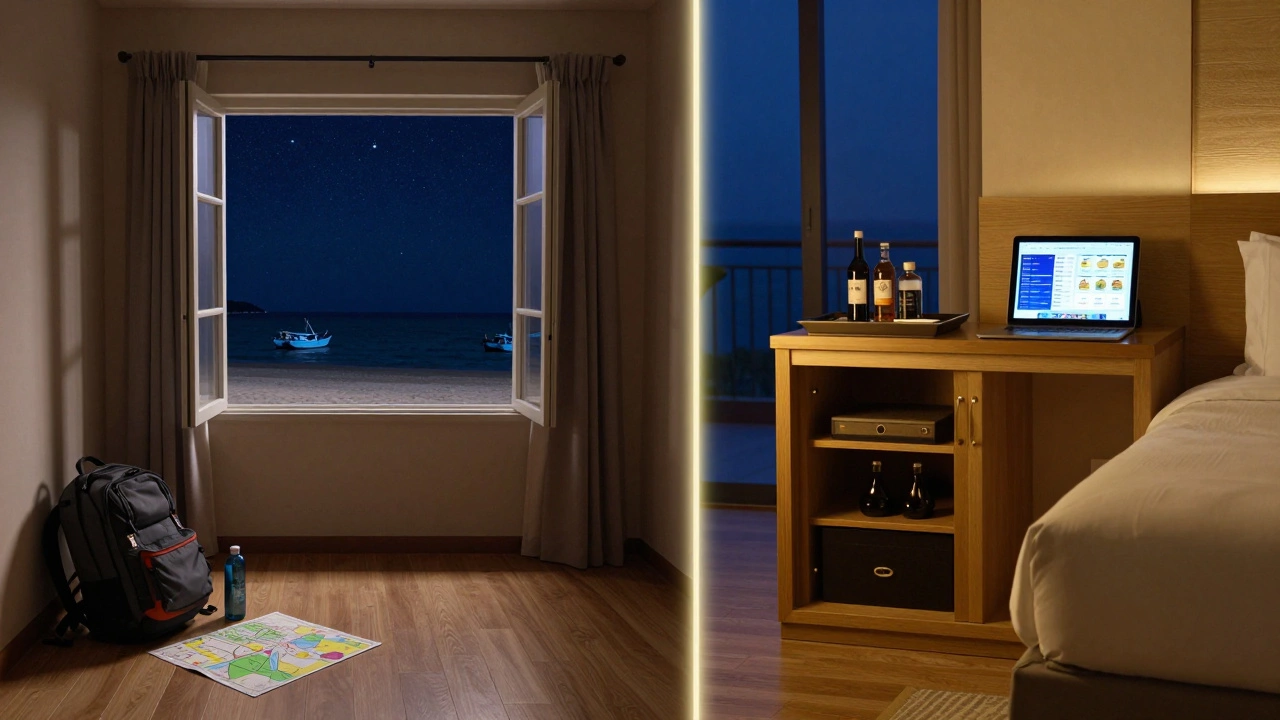
Take the Caribbean. In Jamaica, the Grand Lido Negril is a classic resort: 500 rooms, 12 restaurants, a water park, and a private beach. You could stay there for a week and never leave the grounds.Just down the road, La Casa de la Playa is a 12-room beach hotel. No kids’ club. No spa. But the owner makes fresh mango smoothies every afternoon and knows the best snorkeling spot off the rocks. You’ll find local artists selling handmade jewelry on the porch.
Same island. Same beach. Totally different experiences.
What You Might Not Realize Until You Get There
Some resorts charge extra for towels, sunscreen, or even Wi-Fi. That’s not common at beach hotels. Resorts often have hidden fees: resort fees, service charges, mandatory gratuities. Always check the fine print before booking.Beach hotels rarely have those. But they might not have air conditioning. Or elevators. Or 24-hour front desks. You’re trading luxury for authenticity.
And here’s the thing: resorts are designed to make you feel pampered. Hotels are designed to make you feel at home. Neither is better. But one will fit your mood better.
Are beach resorts always more expensive than beach hotels?
Not always, but usually. Beach resorts start at higher price points because they include more services and amenities. However, if you book an all-inclusive resort and plan to eat out, use the spa, and do activities every day, you might end up spending less than if you stayed at a beach hotel and paid for everything separately. Always compare the total cost-not just the room rate.
Can you find a beach hotel with a pool?
Yes, absolutely. Many beach hotels have small pools, especially in places where the ocean is too rough for swimming. Some even have infinity pools with ocean views. But don’t expect multiple pools, water slides, or swim-up bars. Those are resort features.
Do beach resorts have better beaches?
Not necessarily. Resorts often have private beaches, which means fewer people-but that doesn’t mean better sand or clearer water. Some of the most beautiful beaches in the world are public and free, like those near small beach hotels. The difference is access, not quality.
Is a beach hotel better for couples?
It depends on what kind of couple you are. If you want quiet, privacy, and local flavor, a beach hotel wins. If you want romance with service-like candlelit dinners on the beach, champagne in your room, and a spa treatment booked for you-then a resort is better. Both can be romantic; it’s about the vibe you’re after.
Can you book a beach resort without an all-inclusive plan?
Yes, many resorts offer room-only rates. But you’ll pay more for meals and drinks, and you might miss out on perks like free airport transfers or daily activities. If you’re not planning to eat at the resort’s restaurants, a beach hotel might give you more value.
Final Tip: Look Beyond the Label
Don’t trust the name alone. Some places call themselves "resorts" just because they have a pool. Others are quiet hotels with no sign saying "resort" but offer more than you’d expect. Always read recent reviews. Look for photos of the actual rooms, the beach, and the dining areas. Check if guests mention noise, crowds, or hidden fees.The right choice isn’t about luxury or price. It’s about how you want to feel. Do you want to be waited on? Or do you want to feel like you’re part of the place? That’s the real difference between a beach hotel and a beach resort.