Corporate Hotel vs Business Hotel Comparison Tool
Compare corporate hotels with regular business hotels based on important features for business travelers.
Ownership
Often owned or heavily managed by a corporation
Franchised or independently owned chain property
Access
Restricted to employees or approved guests
Open to the public
Booking Process
Requires corporate code, travel policy approval
Book directly or via any travel site
Pricing
Negotiated bulk rates, no public pricing
Public rates, discounts available
Amenities
Basic, standardized, focused on productivity
Varied — may include pools, spas, premium upgrades
Accounting
Charged to company account, expense reports required
Personal payment, reimbursement optional
Which is Right For You?
Corporate hotels are ideal for company employees with approved travel, where you need consistency, security, and company billing.
Business hotels are better for individual travelers seeking flexibility, amenities, and the ability to book directly.
A corporate hotel isn’t just another business hotel. While both serve professionals on the road, a corporate hotel is built, owned, or heavily managed by a company - usually for its own employees - not just open to the public. Think of it as a hotel designed like a company office, but with beds, showers, and breakfast buffets.
What Makes a Hotel ‘Corporate’?
A corporate hotel is typically owned or operated by a large organization to house its traveling staff. These aren’t random picks on Booking.com. They’re pre-negotiated, contract-based stays. Companies like IBM, Siemens, or Shell might have deals with specific hotel chains or even own entire properties outright. These hotels are chosen for consistency, cost control, and compliance - not just proximity to the airport.
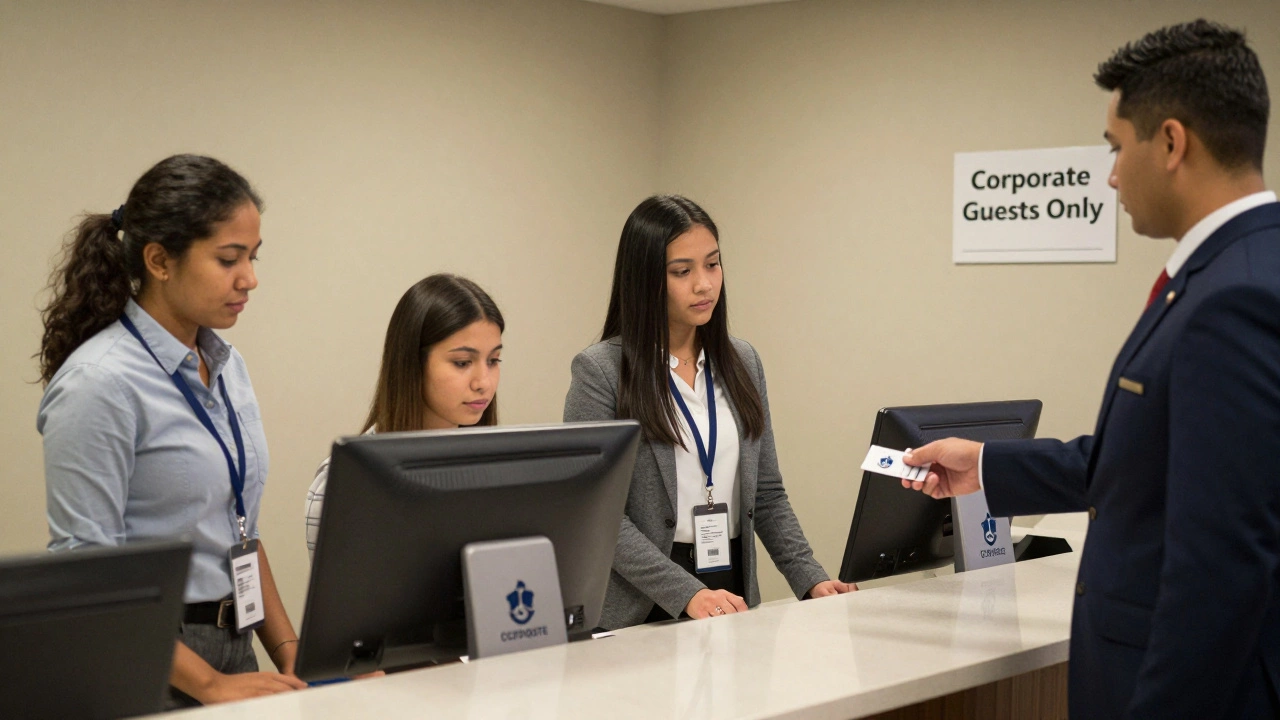
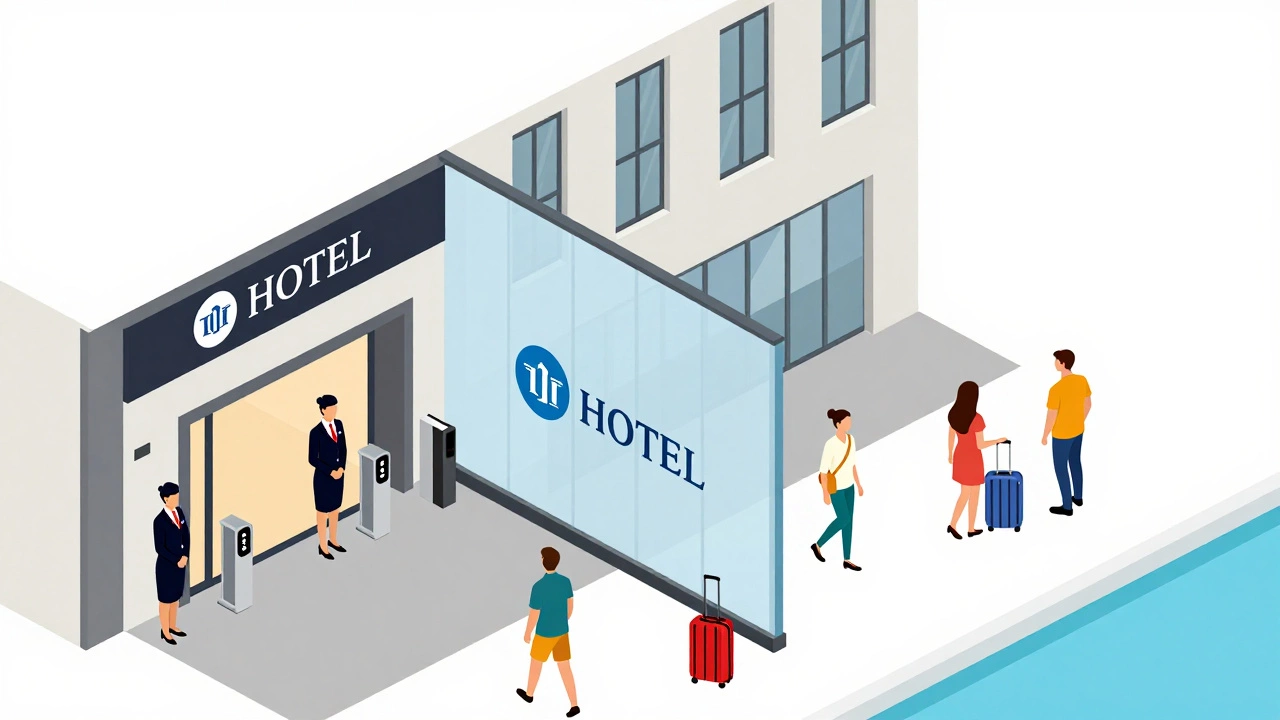
Unlike regular business hotels that welcome any paying guest, corporate hotels often restrict access. You usually need a company ID, a booking code, or an approved travel request to check in. Some even have dedicated floors or wings reserved only for corporate guests. This isn’t about luxury - it’s about control.
How Corporate Hotels Are Different from Regular Business Hotels
Let’s clear up the confusion. All corporate hotels are business hotels, but not all business hotels are corporate.
Regular business hotels - like Holiday Inn Express or Hampton Inn - are part of national chains. They’re designed to attract business travelers, but they’re open to anyone. You can walk in off the street, pay with a personal credit card, and stay without any paperwork.
A corporate hotel, on the other hand, operates under a corporate contract. Here’s how they differ:
| Feature | Corporate Hotel | Regular Business Hotel |
|---|---|---|
| Ownership | Often owned or heavily managed by a corporation | Franchised or independently owned chain property |
| Access | Restricted to employees or approved guests | Open to the public |
| Booking Process | Requires corporate code, travel policy approval | Book directly or via any travel site |
| Pricing | Negotiated bulk rates, no public pricing | Public rates, discounts available |
| Amenities | Basic, standardized, focused on productivity | Varied - may include pools, spas, premium upgrades |
| Accounting | Charged to company account, expense reports required | Personal payment, reimbursement optional |
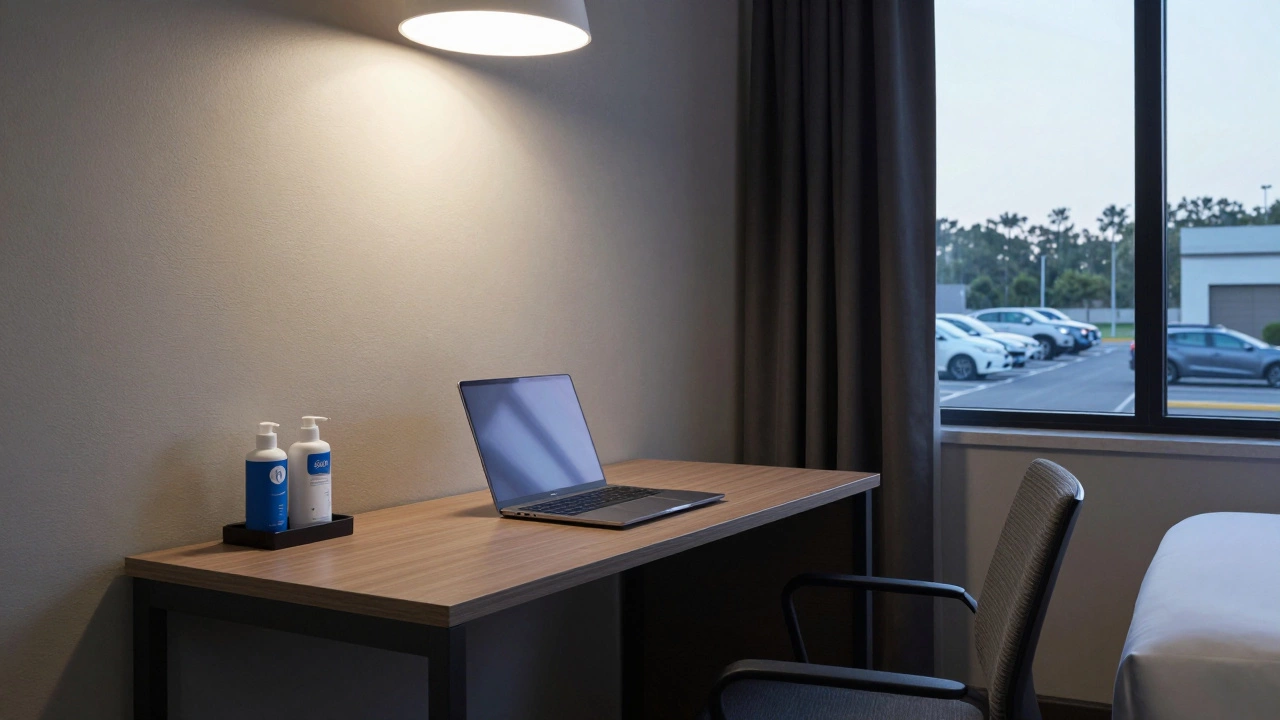
Corporate hotels avoid flashy extras. No rooftop bars. No in-room minibars with premium snacks. You’ll find reliable Wi-Fi, ergonomic chairs, quiet rooms, and breakfast that’s functional, not Instagram-worthy. Why? Because the goal isn’t to impress - it’s to keep employees productive, safe, and compliant with company policy.
Who Uses Corporate Hotels?
It’s not just CEOs flying first class. The majority of guests are mid-level managers, field technicians, sales reps, and consultants traveling on company dime. Think of a pharmaceutical rep visiting clinics across five states in a week. Or an engineer installing equipment at a client’s plant in Ohio. These people don’t need a suite - they need a clean bed, a desk that works, and a reliable wake-up call.
Large corporations with global operations - think logistics firms, energy companies, or manufacturing giants - rely on corporate hotels to standardize travel experiences. A worker in Houston should have the same basic experience as one in Manila, even if they’re staying in different cities. That’s the point.
How Companies Choose Corporate Hotels
It’s not random. Companies have travel departments that audit hotels like they audit vendors. They look for:
- Security - 24/7 front desk, key card access, secure parking
- Compliance - ADA accessibility, fire safety certifications, data privacy compliance
- Cost - volume discounts, no hidden fees, predictable billing
- Location - within 10 miles of client sites or industrial zones
- Consistency - same room layout, same toiletries, same breakfast menu
Some companies even require hotels to integrate with their expense software. If the hotel’s system can’t auto-sync your stay with your company’s accounting platform, it’s out. No exceptions.
Corporate Hotels and Travel Policies
Every major company has a travel policy. And corporate hotels are often the only approved option. Why? Because it’s easier to track spending, enforce safety standards, and manage risk.
For example, a company might forbid employees from staying at hotels without 24-hour security. Or they might require all stays to be within a 10-mile radius of the business site. A corporate hotel that meets those rules becomes the default - even if it’s not the fanciest place in town.
Employees don’t always love it. But they understand the trade-off: less choice, more control. And for the company, that’s worth it.
The Rise of Corporate Hotel Partnerships
Big hotel chains have caught on. Marriott, Hilton, and IHG now offer dedicated corporate programs - not just discounts, but customized services. Some even build entire wings of hotels under corporate branding.
For example, a company like Deloitte might partner with a Hilton property to create a “Deloitte Travel Wing.” Same building, same staff, but dedicated check-in counters, branded lobbies, and rooms with company-approved tech setups. The hotel still operates normally for other guests - but the corporate side runs like a private club.
This trend is growing. Companies want control without the cost of owning property. Hotels want predictable, high-volume bookings. It’s a win-win.
What You Won’t Find in a Corporate Hotel
No pool. No spa. No restaurant with a chef’s tasting menu. No minibar with artisanal chips. No concierge who books you a Broadway show.
Corporate hotels don’t market themselves as destinations. They market themselves as solutions. You’re not on vacation. You’re working. The hotel’s job is to get you out of your room and back to your meeting as fast as possible.
Even breakfast is stripped down: coffee, toast, eggs, fruit. No avocado toast. No gluten-free pancakes. Just fuel. Because the company isn’t paying for a culinary experience - they’re paying for you to be functional.
Why Corporate Hotels Matter
They’re the invisible backbone of global business. Without them, companies couldn’t scale operations across cities and countries. Employees would spend hours researching hotels, fighting with expense reports, or staying in unsafe places because they didn’t know better.
Corporate hotels reduce risk. They cut costs. They ensure compliance. And they make business travel predictable - which is the real luxury.
If you’ve ever stayed in one, you probably didn’t think much of it. That’s the point. It’s not supposed to stand out. It’s supposed to work.
Corporate Hotels vs. Extended Stay Hotels
You might confuse corporate hotels with extended stay hotels like Extended Stay America or Staybridge Suites. They look similar - kitchenettes, laundry, longer stays. But they’re not the same.
Extended stay hotels are designed for people who need to live somewhere for weeks or months - maybe relocating, or waiting for housing. They’re open to anyone. No corporate contract needed.
Corporate hotels are for short-term business trips - one to five nights. They don’t need kitchens because you’re not living there. You’re just sleeping between meetings.
The difference? Purpose. One is for transition. The other is for productivity.
Is a corporate hotel the same as a business hotel?
No. All corporate hotels are business hotels, but not all business hotels are corporate. A business hotel is any hotel that caters to travelers on work trips - open to the public. A corporate hotel is owned or contracted by a company for its employees only, with restricted access and standardized policies.
Can I book a corporate hotel if I’m not an employee?
Usually not. Corporate hotels operate under contracts with specific companies. Unless you’re traveling with someone from that company and they’ve arranged it, you won’t be able to book directly. Some may allow public bookings at higher rates, but it’s rare.
Why do companies use corporate hotels instead of letting employees choose?
It’s about control and cost. Companies want to ensure safety, compliance, and predictable spending. Letting employees pick any hotel leads to inconsistent experiences, higher costs, and potential liability. Corporate hotels reduce all of that.
Do corporate hotels offer Wi-Fi and workspaces?
Yes - and they’re usually better than in regular business hotels. Corporate hotels prioritize reliable, high-speed Wi-Fi, ergonomic desks, and quiet zones. Many include free printing, conference room access, and even IT support on request.
Are corporate hotels cheaper than regular hotels?
For the company, yes - because they negotiate bulk rates. For you as an individual traveler, probably not. Corporate rates aren’t public, and if you’re not under contract, you’ll pay the standard rate - which is often higher than what you’d find on public booking sites.