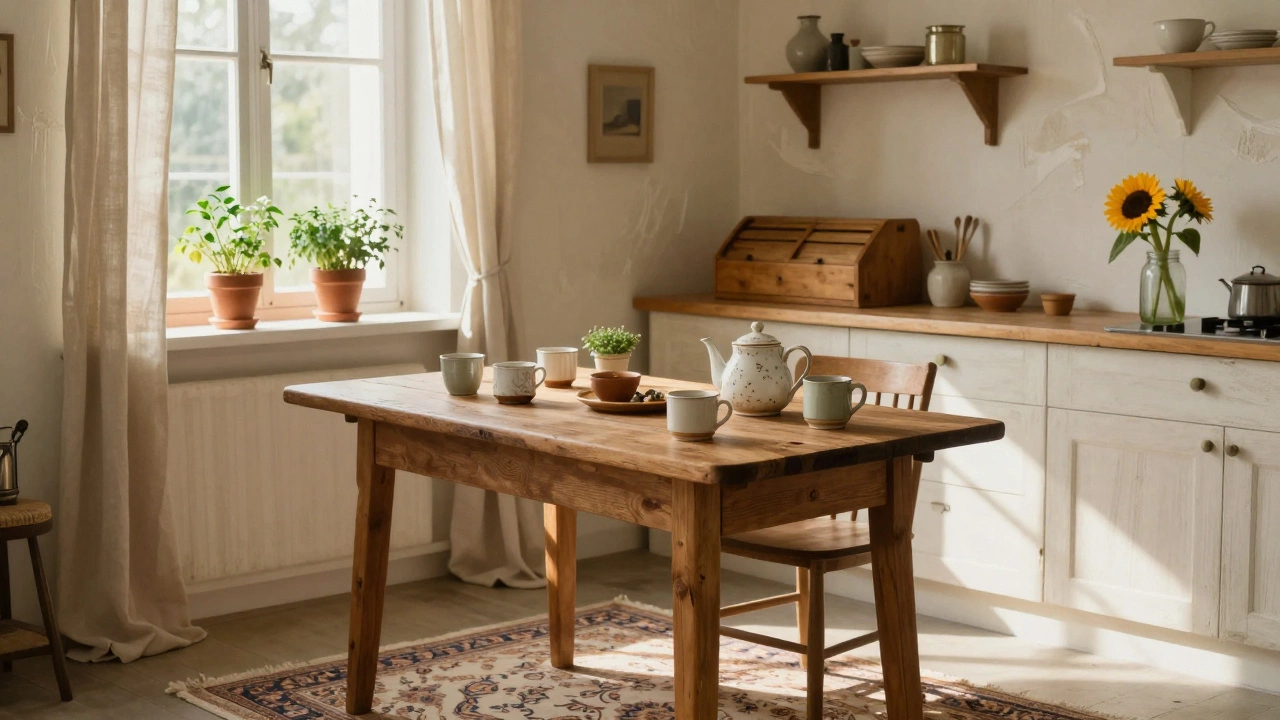
Most people think country cottages are only found in the English countryside, but you don’t need a thatched roof or a rolling hill behind your house to bring that cozy, lived-in charm into your home. It’s not about buying antique furniture or hiring a designer. It’s about layers-soft textures, worn wood, faded colors, and little things that tell a story. If you want your house to feel like a country cottage, start by letting go of perfection.
Start with the walls
Paint is your cheapest and most powerful tool. Skip the bright whites and cold grays. Look for soft, muted tones that look like they’ve been there for decades. Think buttercream, sage green, dusty rose, or pale blue. These aren’t trendy colors-they’re the kind you’d find in an old farmhouse where the paint faded slowly under years of sunlight. If you’re not ready to repaint everything, pick one room to start. A kitchen or bedroom with a soft wash of color instantly feels warmer and more inviting.Don’t worry about perfect edges. A little brushstroke unevenness? Good. That’s part of the charm. Real cottages weren’t painted by professionals. They were painted by people who had other things to do-feeding chickens, mending fences, tending to kids. Let your walls look like they were cared for, not polished.
Furniture that feels lived-in
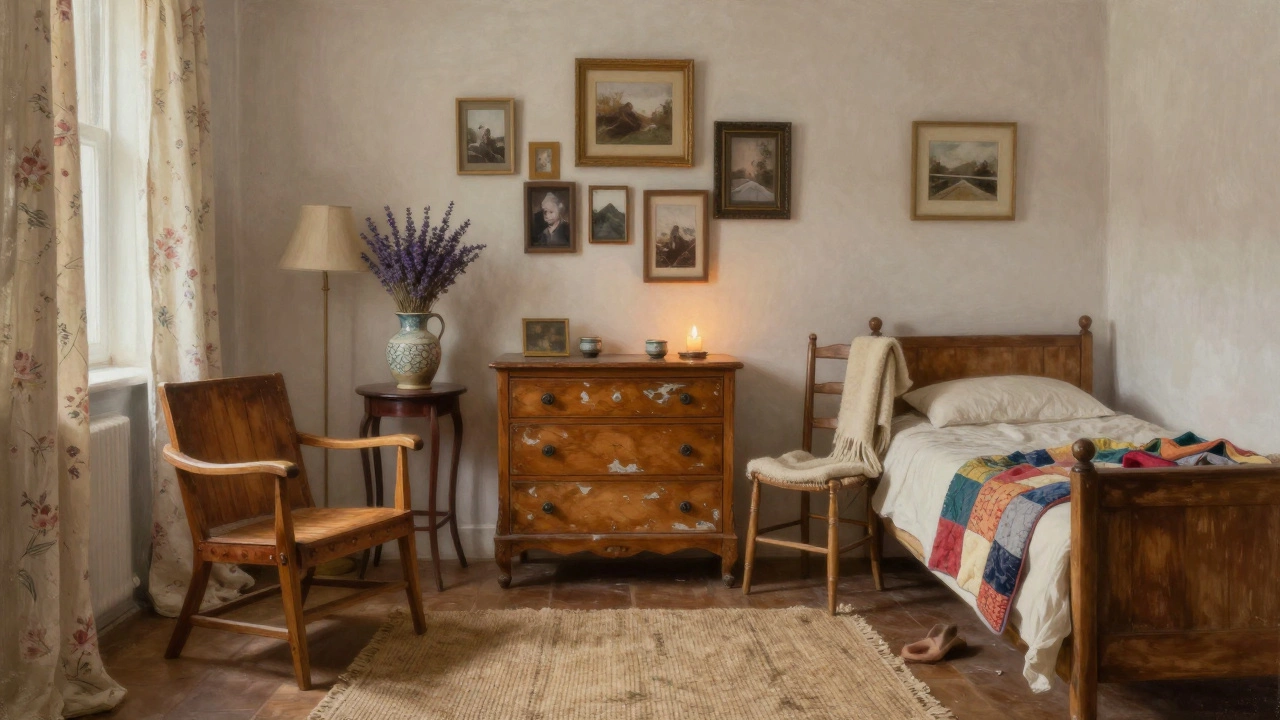
Forget sleek, modern lines. Country cottages are full of mismatched pieces that somehow work together. Look for wooden furniture with a worn finish. A scrubbed pine table, a painted dresser with chipped corners, a ladder-back chair with a faded cushion. You don’t need to buy antiques. Thrift stores, flea markets, and even garage sales are full of good options. Look for pieces that have character, not price tags.Reupholster old chairs with cotton or linen fabric in small floral prints or stripes. Use wool blankets draped over the armrests. Add a patchwork quilt to the bed-not because it’s trendy, but because it feels like something your grandmother might have stitched by hand. The goal isn’t to match everything. It’s to create a sense of comfort that says, you’re welcome here, no matter how messy you are.
Textiles that breathe
Cottages don’t have synthetic curtains or plastic-covered sofas. They have curtains that flutter in the breeze and rugs that show their age. Swap out your blackout blinds for simple cotton or linen curtains. Let the light come in gently. Hang them a little high, let them pool slightly on the floor. It’s not about elegance-it’s about ease.Use natural fiber rugs: jute, wool, or sisal. They’re not soft underfoot like plush carpet, but they feel honest. A faded Persian rug in the living room? Even better. It doesn’t matter if it’s old or expensive. What matters is that it’s seen years of bare feet, muddy boots, and Sunday afternoons spent reading by the window.
Bring the outside in
A country cottage doesn’t just look like it belongs to the land-it feels like it grew out of it. Fill your space with plants. Not the kind in designer pots. Use terracotta, old tin cans, or chipped teapots. Herbs on the windowsill, ivy trailing down the side of a bookshelf, a single sunflower in a mason jar on the kitchen counter. These aren’t decorations. They’re part of daily life.Bring in wood. A wooden bread box, a stack of firewood by the hearth, a wooden tray holding soap and a sponge by the sink. Even a few branches in a vase can make a room feel grounded. The key is to let nature feel unforced. Don’t arrange it perfectly. Let it look like someone picked it up on a walk and just put it there because it made them happy.
Lighting that glows
Bright LED bulbs kill the cottage vibe. Swap them out for warm, yellow lights-4000K or lower. Use table lamps with fabric shades, wall sconces with frosted glass, or string lights in the kitchen. Candles are essential. Not the fancy scented ones. Just plain white ones in simple holders. Light them in the evening. Let the flicker dance on the walls.Don’t rely on overhead lighting. In a real cottage, the light comes from many small sources. A lamp by the armchair. A candle on the nightstand. A lantern in the hallway. This creates pockets of warmth. It makes the house feel alive, not just lit.
Details that whisper stories
This is where the magic happens. Country cottages are full of little things that don’t have to be expensive-they just have to mean something. A stack of old books with cracked spines. A ceramic jug filled with dried lavender. A child’s drawing pinned to the fridge. A weathered sign that says Home Sweet Home hanging crookedly above the door.Use pottery. Not the kind from IKEA. Look for handmade mugs, bowls, or plates with uneven glazes. Use them every day. Let them get chipped. Let them be used for soup, coffee, or holding keys. A cottage isn’t a museum. It’s a home that’s been loved.
Hang a few framed photos-not in matching frames, but in different sizes and finishes. Wood, metal, even a simple piece of twine with clothespins. These aren’t for show. They’re reminders of who you are and where you’ve been.
Let it be imperfect
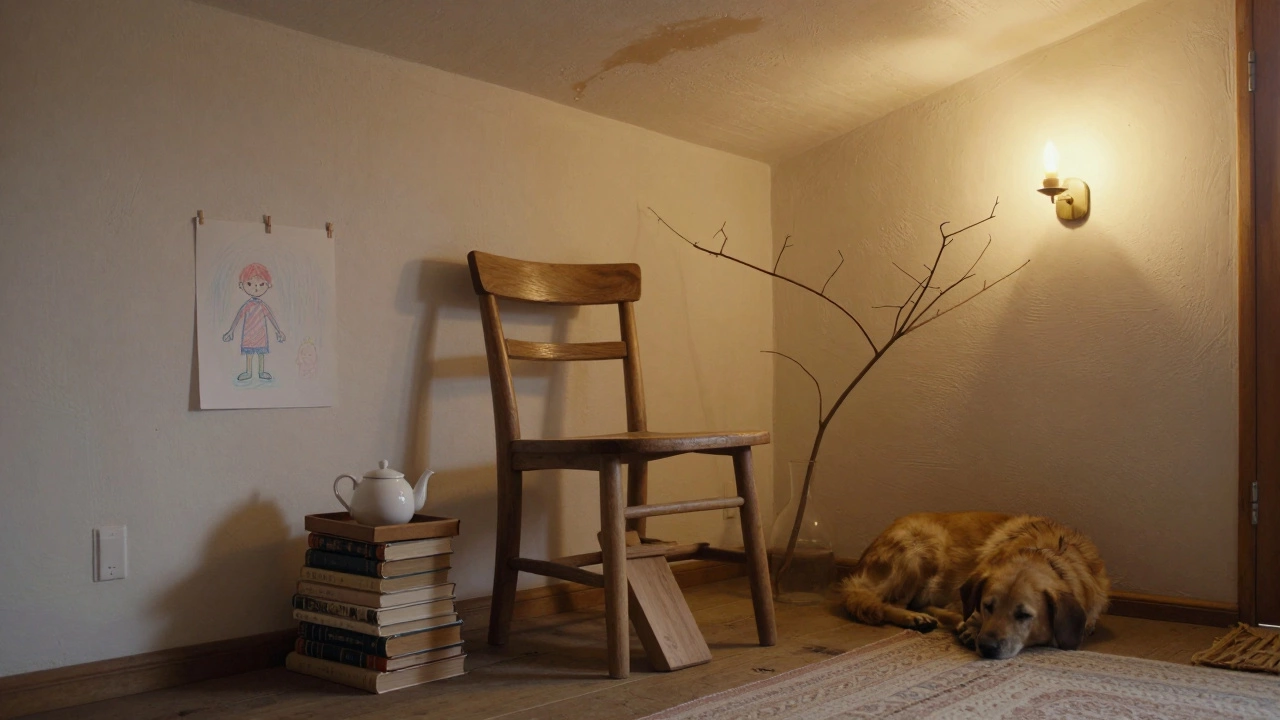
The biggest mistake people make is trying to make their cottage look like a magazine photo. Real country cottages are messy. There are socks by the door. A basket of laundry in the corner. A dog asleep on the rug. A teapot left on the stove. That’s not neglect. That’s life.Don’t hide the cracks in the floor. Don’t cover the water stains on the ceiling. Don’t throw out the chair with the wobbly leg-fix it with a wedge of wood. These aren’t flaws. They’re proof that someone has been living here, not just posing for pictures.
Country cottages don’t need to be perfect. They need to be real. And the more real they feel, the more they’ll feel like home.
What to avoid
There are a few things that instantly kill the cottage look:- Plastic storage bins in the living room
- Flat-pack furniture with shiny finishes
- Too many matching sets
- Overly bright or cool lighting
- Minimalist, sterile spaces
If you’re tempted to buy something because it’s “on trend,” pause. Ask yourself: Would someone have kept this in 1950? If the answer is no, leave it on the shelf.
Start small, stay patient
You don’t have to do it all at once. Pick one corner. One shelf. One window. Change it slowly. Let each change settle in. A month from now, you’ll notice the light feels different. The air feels softer. The house doesn’t just look like a cottage-it starts to feel like one.And that’s the point. It’s not about decoration. It’s about creating a space that holds you gently-like a well-worn sweater, or a cup of tea that’s just the right temperature.
Can I make my modern house look like a country cottage?
Yes. Even a sleek, modern home can take on cottage charm with the right changes. Focus on soft lighting, natural materials, and layered textiles. Swap out harsh finishes for wood, linen, and clay. Add plants, mismatched furniture, and personal touches. You don’t need to tear down walls-just change how things feel.
What colors work best for a country cottage?
Soft, muted tones are key. Think buttercream, moss green, faded blue, dusty rose, or warm gray. These colors mimic the way paint fades over time in old houses. Avoid stark whites and cool grays-they feel clinical, not cozy. Paint swatches should look like they’ve been sitting in the sun for years, not like they came straight from the store.
Do I need to buy antiques to get the look?
No. Antiques can help, but they’re not required. Many cottage-style homes use thrifted, secondhand, or even new pieces with a worn finish. Look for items that show age or character-a chipped vase, a scratched wooden tray, a quilt with uneven stitching. What matters is the feeling, not the price tag.
How do I make my kitchen feel like a cottage kitchen?
Paint the cabinets in a soft color like sage or cream. Swap modern handles for simple knobs or pulls. Add open shelving with ceramic dishes and wooden bowls. Use a wooden cutting board as a tray. Hang herbs above the sink. Keep a kettle on the stove. Let the counter hold a bowl of fruit, a stack of newspapers, and a teapot. A cottage kitchen isn’t spotless-it’s lived-in.
What plants work best in a cottage-style home?
Herbs like rosemary, thyme, and mint are perfect-they’re useful and fragrant. Ivy, ferns, and trailing pothos add softness. Potted lavender or chamomile on the windowsill bring a quiet scent. Use simple containers: terracotta pots, tin cans, or old jars. Don’t over-arrange. Let them look like they were placed there because someone liked how they looked that morning.