
All-Inclusive Resort Cost Calculator
Calculate Your Trip Cost
Get an estimate of your all-inclusive resort vacation cost
Estimated Cost
* Includes basic inclusions but not hidden fees
Warning: Hidden costs (gratuities, specialty drinks, excursions) may add 15-25% to total cost
Let’s cut to the chase: if you’re thinking about an all-inclusive resort, you’re probably wondering whether it’s worth the upfront cost. The short answer? It depends. But here’s what most people actually pay in 2026 - no fluff, no marketing spin.
What you’re really paying for
An all-inclusive resort isn’t just a hotel with free snacks. It’s a locked-in package: meals, drinks, activities, and sometimes even tips. You pay one price upfront, and that’s it. No surprise bills at checkout. That’s the promise. But not all packages are the same.Basic all-inclusives - think three-star properties in Mexico or the Dominican Republic - start around $150 per person per night. That covers three meals a day, basic soft drinks, house-brand liquor, and maybe a few poolside activities. You won’t get room service at midnight, and the seafood might be frozen. But if you’re just looking to chill out, swim, and not think about money for a week, it works.
Mid-range resorts, the kind most families book, hover between $250 and $400 per person per night. These are the ones with multiple restaurants (including sushi and Italian), premium liquors, 24/7 room service, and activities like snorkeling, kayaking, or nightly live shows. You’ll also get access to a private beach, a kids’ club, and often a spa discount. This is where the real value kicks in. For a family of four, a seven-night stay comes to roughly $7,000 - but you’re not paying $1,500 just for dinner.
High-end all-inclusives? Think adults-only, luxury brands like Sandals, Secrets, or AMResorts. These start at $600 per person per night and can easily hit $1,200. You’re not just getting lobster dinners and imported champagne. You’re getting private butler service, infinity pools with ocean views, curated wine tastings, and excursions like helicopter tours or private island picnics. These places aren’t for saving money. They’re for splurging.
Location changes everything
You can’t talk about price without talking about place. A resort in Cancún isn’t the same as one in Jamaica or Bali.- Mexico - Best for value. Average: $180-$350. Resorts here are plentiful, well-maintained, and often have direct airport transfers.
- Caribbean (Jamaica, Dominican Republic) - Average: $220-$450. More authentic vibe, but some areas have higher crime rates. Stick to gated resorts.
- Bali - Average: $280-$550. You’re paying for scenery, culture, and privacy. Not as many traditional all-inclusives here - more boutique-style.
- Thailand - Average: $190-$380. Great food, lower prices, but service isn’t always as polished as in the Caribbean.
- Canary Islands or Greece - Average: $270-$500. European standards, but fewer kids’ clubs. Better for couples or solo travelers.
Season matters too. Book during peak season - December to April - and you’ll pay 30-50% more. If you’re flexible, aim for late April or September. Rain is possible, but you’ll save hundreds. A $400/night resort in Jamaica might drop to $270 in May.

Hidden costs you can’t ignore
Even with "all-inclusive," surprises still pop up. Here’s what’s usually not covered:- Gratuities - Some resorts include them. Others don’t. Always check the fine print. If not included, budget $10-$15 per person per day.
- Specialty restaurants - The steakhouse? The French bistro? Those often cost extra. Even if you’re at an all-inclusive, you might pay $25-$50 per person to eat there.
- Alcohol upgrades - Your package might include beer and house wine. But if you want a premium tequila, a bottle of scotch, or imported wine - that’s extra. Some resorts charge $10-$20 per drink.
- Excursions - Snorkeling? Yes. Scuba diving? Probably not. A half-day boat trip to a coral reef? That’s $80-$150 extra.
- Wi-Fi - Free in lobbies. Full-room access? Often $15-$25 per day.
- Transportation - Airport shuttles? Sometimes included. If not, you’re looking at $40-$80 one-way.
One couple I spoke to in Cancún booked a $300/night package, only to realize their "unlimited" drinks didn’t include champagne. They ended up spending $180 extra on cocktails over seven nights. That’s nearly a free night.
Who gets the best deal?
Not everyone pays full price. If you’re smart, you can cut costs without sacrificing comfort.- Families - Many resorts offer free stays for kids under 12. Sometimes even teens get 50% off. That’s a huge savings.
- Couples - Book during shoulder season and ask for a room upgrade. Resorts often give them away to fill rooms.
- Solo travelers - Most all-inclusives don’t have single supplements. You pay the same as a couple sharing a room. That’s rare in regular hotels.
- Book early - Booking 6-8 months ahead often gives you the lowest rate. Last-minute deals exist, but they’re usually for lower-tier rooms or off-season.
- Use points - If you have Marriott Bonvoy, Hilton Honors, or World of Hyatt points, you can often book all-inclusives for way less than cash.
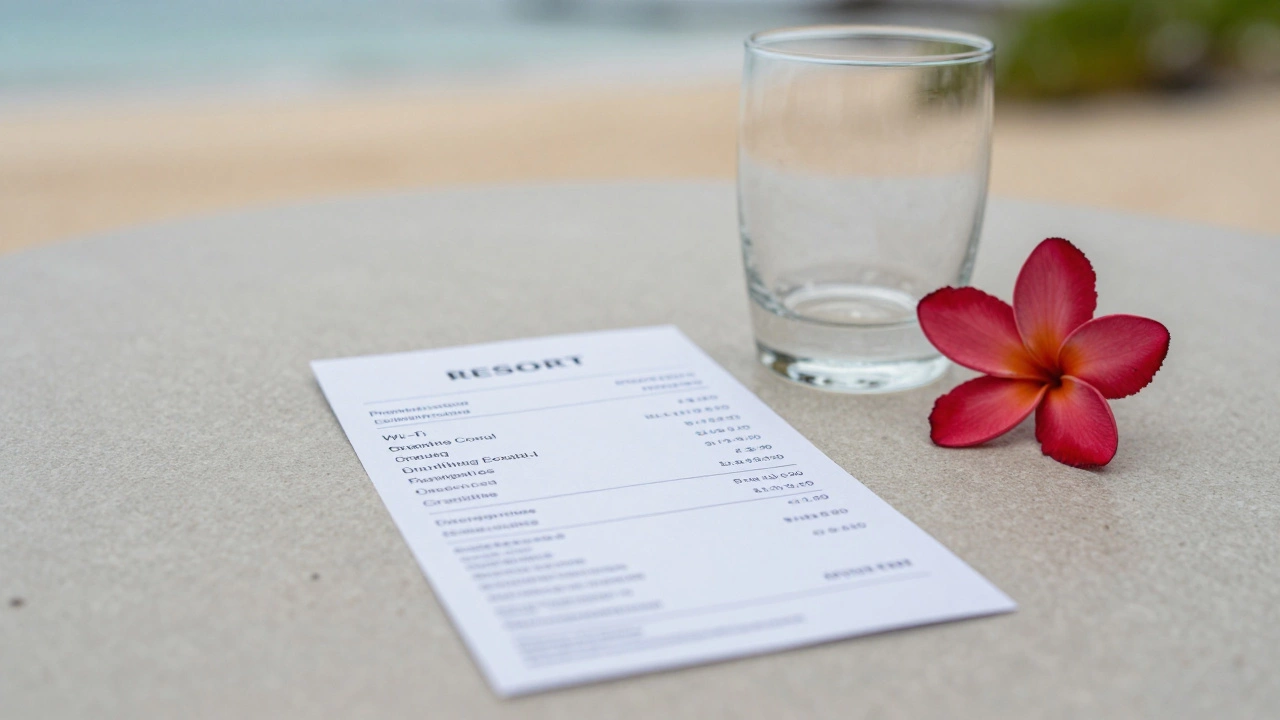
Real-world example: A 7-night trip
Let’s say you’re a family of four - two adults, two kids under 10 - booking a mid-range resort in the Dominican Republic in May.- Room rate: $320 per person × 4 = $1,280
- Flights: $800 total (booked 4 months ahead)
- Travel insurance: $120
- Gratuities: $10/day × 4 people × 7 days = $280
- Excursion: Snorkeling day trip = $100
- Wi-Fi: $15/day × 7 = $105
Total: $2,690. That’s under $385 per person for the whole trip. Compare that to booking a hotel, meals, and activities separately - you’d easily hit $5,000.
Is it worth it?
All-inclusive resorts aren’t for everyone. If you love exploring local restaurants, wandering markets, or hopping between islands, this isn’t your vibe. But if you want to relax, not plan, and not stress about every meal or drink - then yes, it’s worth it.The average person spends $280 per night on an all-inclusive resort in 2026. That’s not cheap. But when you break it down, you’re paying for convenience, predictability, and peace of mind. You’re not just buying a room. You’re buying hours of your life back.
Are all-inclusive resorts really all-inclusive?
Not always. Most include meals, basic drinks, and activities. But premium restaurants, top-shelf alcohol, spa services, and excursions often cost extra. Always check the fine print before booking.
What’s the cheapest all-inclusive destination?
Mexico and Thailand offer the best value. You can find decent all-inclusives starting at $150 per person per night. The Dominican Republic and Jamaica are close behind, especially if you book outside peak season.
Is it cheaper to book an all-inclusive or pay for everything separately?
For most people, yes - especially families or those who plan to eat, drink, and use activities daily. If you’re a light eater or plan to explore local food, a regular hotel might save you money. But for convenience and budget control, all-inclusive wins.
Do all-inclusive resorts have hidden fees?
Yes. Common ones include gratuities, premium alcohol, Wi-Fi, excursions, and specialty dining. Some even charge for towel service or using the poolside cabanas. Always ask for a full list of inclusions before booking.
When is the best time to book an all-inclusive resort?
Book 6-8 months ahead for the best rates, especially for peak season (December-April). For deals, aim for late April to May or September to October. You’ll get lower prices, fewer crowds, and still good weather in most places.