Glamping Cost Calculator
Calculate Your Glamping Price
Estimated Cost
€0.00
Includes:
Tip: Weekends cost 20-40% more than weekdays. Book off-season for best deals.
Glamping isn’t just camping with a fancy name. It’s sleeping in a real bed under a starry sky, with hot water, proper lighting, and maybe even a private hot tub outside your door. But how much does it actually cost per night? The answer isn’t simple. Glamping prices can swing from under €80 to over €500 in a single night - and it all depends on where you are, what’s included, and what kind of experience you’re after.
What You Get for Your Money
At the low end, you’re paying for a sturdy tent with a double bed, a small table, and maybe a solar-powered lantern. These are often in national parks or rural spots where the land is cheap and the focus is on nature. You might share a bathroom block, but the space feels private. In Ireland, a basic glamping pod in County Wicklow or Donegal will run you about €85-€110 per night in shoulder season. In peak summer, that jumps to €130-€160.
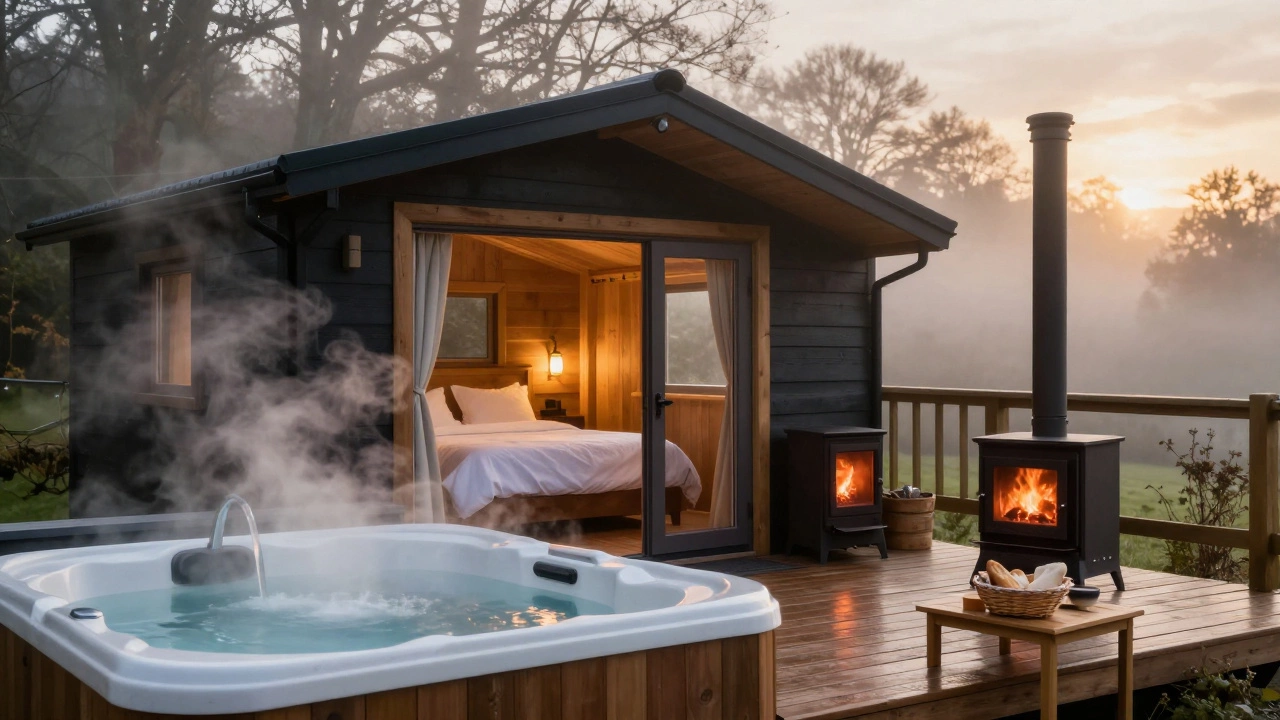
Mid-range glamping cottages - think wooden cabins with full kitchens, en-suite bathrooms, and heated floors - start around €150. These are the ones you see on Instagram with fairy lights, wood-burning stoves, and outdoor decks overlooking lakes. In Scotland or the Lake District, you’ll pay €180-€220. In Ireland, places like Glamping at Lough Key or The Hideout in Kerry charge €160-€200, depending on the season. Weekends cost more. So does having a hot tub or a fireplace.
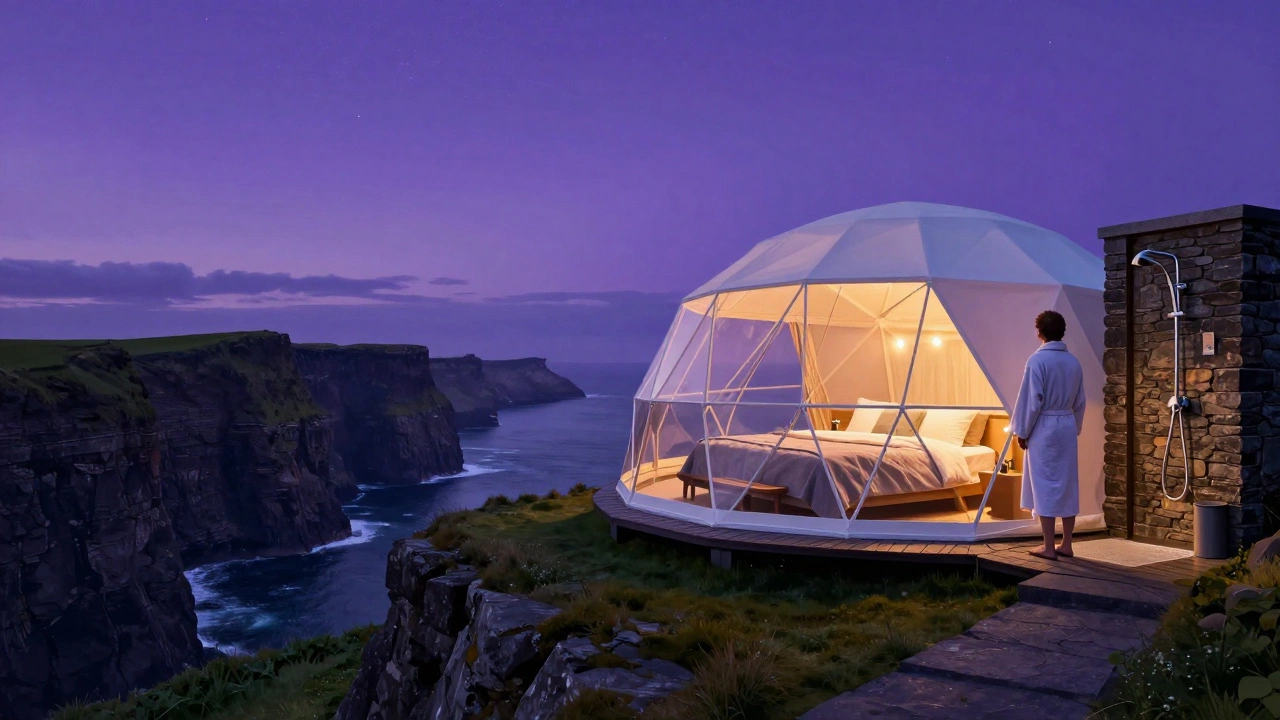
At the top end, you’re looking at designer domes, safari tents with king beds and marble bathrooms, or even treehouses with panoramic views. These places often include breakfast, evening drinks, guided walks, or yoga sessions. In the UK, a luxury glamping suite can easily hit €400-€550. In Ireland, places like The Nest in County Clare or the A-frame cabins at Glamping West Cork charge €350-€450 for two people. That’s not just a place to sleep - it’s a full weekend escape.
Location Matters More Than You Think
Two glamping sites 30 miles apart can have wildly different prices. A basic pod near a popular hiking trail in the Peak District might cost €120. The same pod, five miles from a famous castle or waterfall, could be €180. Why? Demand. Tourists are willing to pay more to be close to the view.
In Ireland, the most expensive glamping spots are near the Wild Atlantic Way, the Cliffs of Moher, or the Ring of Kerry. A site with a direct ocean view in County Mayo will cost 30-50% more than one just inland. The same goes for Scotland - glamping near Loch Ness or the Isle of Skye is premium. In contrast, glamping in the Midlands or eastern counties like Laois or Kildare is more affordable. You still get the same comfort, just without the postcard backdrop.
Season also changes the game. In January, many glamping sites drop prices by 40%. You’ll find deals like €65 a night for a two-person cabin. But if you show up in July with no booking, you’ll pay double - or get turned away. Most places require a two-night minimum on weekends, and holidays like Christmas or Easter can double the rate.
What’s Actually Included?
Not all glamping is created equal. Some sites charge €120 and say “all-inclusive.” But what does that mean? Check the fine print.
- Basic: Bed, roof, electricity, access to shared bathrooms. No kitchen. You bring your own food and water.
- Standard: Private bathroom, small kitchenette (fridge, kettle, microwave), linens, towels. Often includes fire pit or outdoor seating.
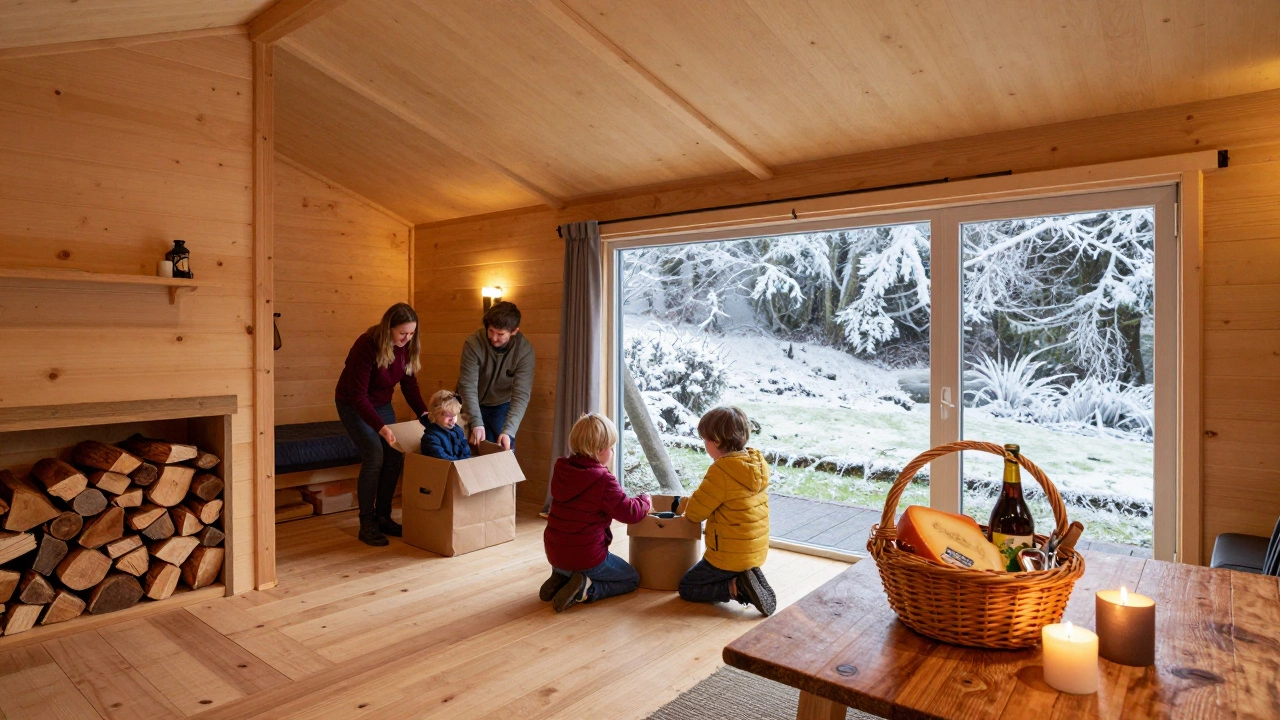
- Premium: Full kitchen with oven, dishwasher, smart TV, Nespresso machine, bathrobes, welcome basket (wine, cheese, local treats), daily housekeeping.
- Luxury: Spa access, private chef service, guided nature tours, airport pickup, in-room wine pairing, daily breakfast delivered to your door.
Many places add extra fees you won’t see upfront. Cleaning fees can be €30-€60. Pet fees? €15-€25 per animal. Extra guests? €20-€40 per person over two. Some even charge for firewood or parking. Always ask: “What’s included in the nightly rate?” before you book.
How to Save Without Sacrificing Comfort
You don’t need to pay €400 to have a great glamping experience. Here’s how to cut costs without losing the magic.
- Book off-season. January and February are the cheapest. You’ll get the same cozy cabin, fewer people, and sometimes free upgrades.
- Go midweek. Friday and Saturday nights cost 20-40% more. Book Sunday-Thursday and save big.
- Look for package deals. Some sites bundle glamping with a picnic basket, wine tasting, or a local tour. That’s often cheaper than booking each thing separately.
- Check for last-minute discounts. Many sites drop prices 24-48 hours before check-in if they have empty slots. Use apps like Glamping Hub or Airbnb filters for “last-minute deals.”
- Travel with friends. Some glamping sites offer larger units for 4-6 people. Splitting €300 among four people is €75 each - cheaper than a hotel room.
One couple I know in Dublin books a glamping cottage in Wicklow every February. They bring their own food, light the wood stove, and watch the sunrise over the hills. Their total cost? €90 for two nights. That’s €45 a night - less than a night in a city hotel.
What’s Worth Paying Extra For
Some extras make a real difference. Here’s what most guests say they’d pay for again:
- Hot tubs or saunas. After a long hike or a chilly evening, nothing beats soaking under the stars.
- Private outdoor showers. No more walking to a shared block. Especially nice in winter.
- Wood-burning stoves or fireplaces. Adds warmth and atmosphere. You’ll feel it the moment you walk in.
- Local food baskets. Fresh bread, cheese, jam, and cider from nearby farms make breakfast feel special.
- Guided stargazing or wildlife walks. A local guide pointing out constellations or fox tracks turns a night out into a memory.
These aren’t luxuries - they’re what make glamping feel like a true escape, not just a fancy tent.
Real Prices in Ireland (2026)
Here’s what you can expect in Ireland right now:
| Location | Type | Off-Season (Jan-Mar) | Shoulder (Apr-May, Sep-Oct) | Peak (Jun-Aug) |
|---|---|---|---|---|
| Donegal | Basic Pod | €75 | €95 | €125 |
| Wicklow | Wooden Cabin | €100 | €130 | €170 |
| County Kerry | Luxury Safari Tent | €220 | €270 | €350 |
| Cliffs of Moher | Designer Dome | €300 | €380 | €480 |
| Galway | Family Cabin (sleeps 4) | €140 | €180 | €240 |
These prices don’t include taxes, cleaning fees, or extra guests. Always confirm what’s included before you pay.
Is Glamping Worth It?
Let’s say you’re comparing glamping to a hotel. A mid-range hotel room in Ireland costs €120-€180 a night. But you’re sharing walls with strangers, dealing with noisy hallways, and paying €12 for a coffee. Glamping gives you space, quiet, and nature - often for the same price.
For couples, families, or solo travelers who want to disconnect without roughing it, glamping is a smarter choice. You’re not just paying for a bed. You’re paying for peace, for views, for the sound of wind in the trees instead of traffic.
And if you’ve ever woken up to mist rising off a lake, with coffee in hand and no alarm clock - you already know the answer.
Is glamping cheaper than a hotel?
Sometimes, yes - especially if you’re looking for a quiet, nature-focused stay. Basic glamping pods cost about the same as a budget hotel, but you get more space and privacy. Luxury glamping can cost more than a hotel, but it includes experiences you can’t get in a standard room, like private hot tubs, fireplaces, or guided nature walks. It’s not just about price - it’s about what you’re paying for.
Are glamping prices higher in summer?
Yes. Summer is peak season everywhere. In Ireland, June through August can cost 40-60% more than winter. Weekend rates are even higher. If you want the best deal, book between January and March. You’ll get the same cabin, fewer crowds, and sometimes free upgrades.
Do glamping sites charge extra for pets?
Most do. Pet fees range from €15 to €25 per animal per stay. Some places allow pets only in certain units. Always check pet policies before booking - and bring your own bedding if the site doesn’t provide it. Many glamping spots are on farmland or near wildlife, so rules are strict.
What’s the difference between glamping and a cabin?
Glamping usually refers to a more unique or elevated experience - think safari tents, domes, yurts, or treehouses - often with design-focused interiors and nature immersion. A cabin is typically a standard wooden structure, sometimes basic, sometimes luxurious. The line blurs, but glamping leans into the “experience” side: views, ambiance, and storytelling. Cabins are more about function.
Can you glamp in Ireland in winter?
Absolutely. Many glamping sites in Ireland are built for year-round use. Heated floors, wood-burning stoves, thick insulation, and double-glazed windows make winter stays cozy. Some even offer hot water bottles and winter stargazing tours. The key is choosing a site that’s properly equipped - not just a tent with a heater. Winter glamping is quiet, magical, and often the cheapest time to go.