Last-Minute Cottage Availability Estimator
How likely are you to find a last-minute cottage?
Based on 2024 UK data: Only 12% of rural cottages are available within 14 days of booking. This calculator estimates your chances and total costs.
Enter your details to see your chances of finding a real cottage.
Walk into any rural village in Ireland or the UK these days, and you’ll see fewer cottages than you remember. The ones still standing? Many don’t look like cottages anymore. They’ve been turned into luxury rentals, Airbnb exclusives, or second homes for city dwellers. So the real question isn’t just do cottages still exist-it’s whether you can actually book one last minute, and if they’re still the cozy, simple places people dreamed of.
What Even Counts as a Cottage Today?
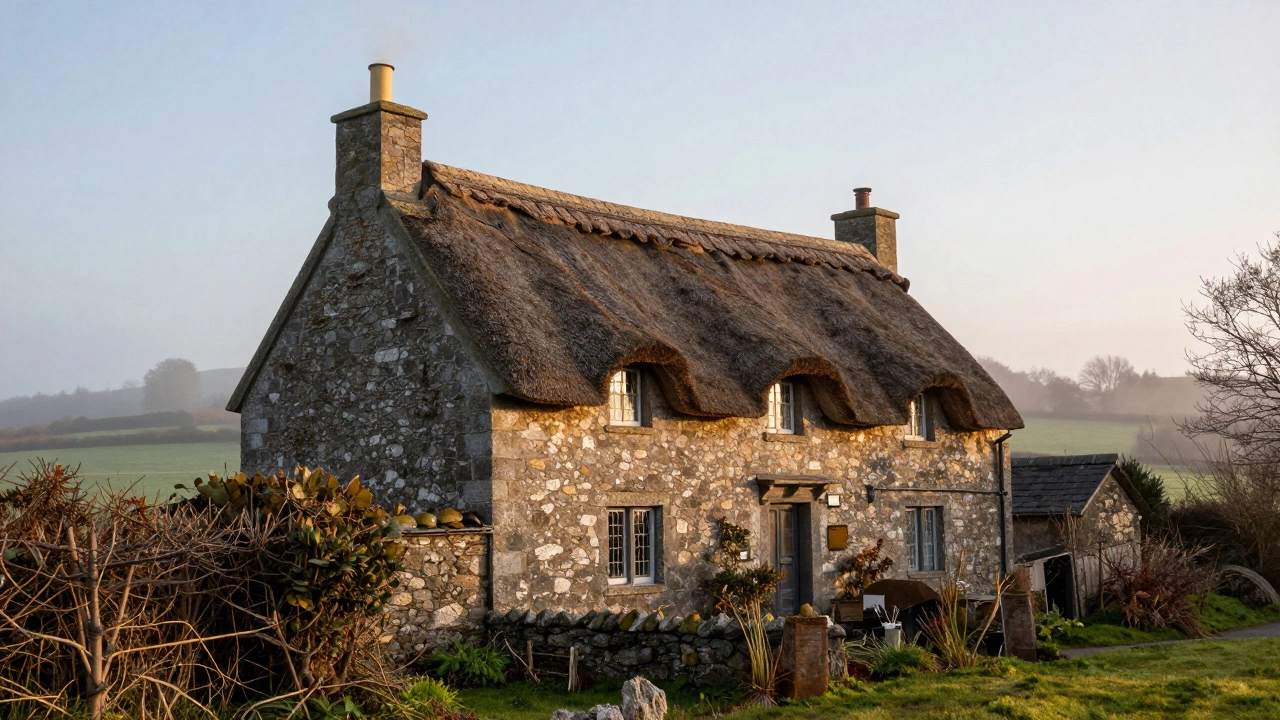
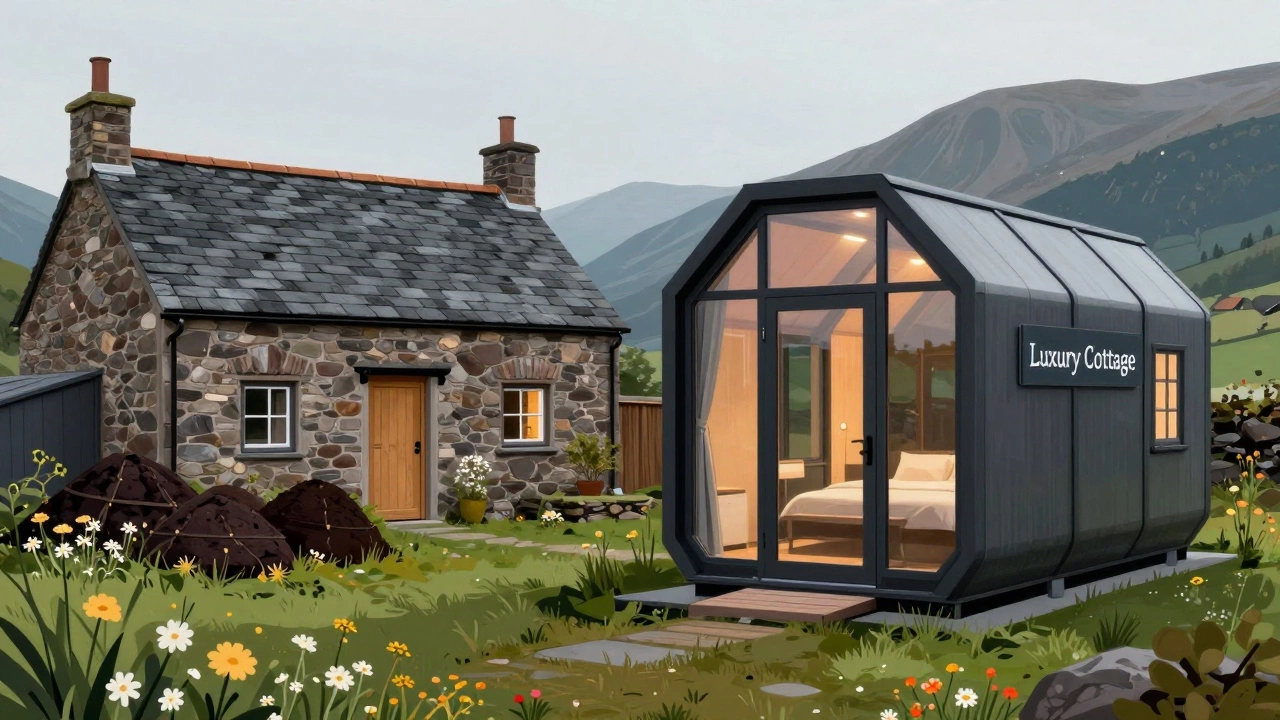
A cottage used to mean a small, stone or timber-built home, usually with a thatched roof, a wood-burning stove, and no indoor plumbing. Today, the word gets thrown around for anything from a renovated barn in the Lake District to a glass-walled pod in the Scottish Highlands. If it’s rural, under 150 square meters, and marketed as a getaway, it’s called a cottage-even if it has smart thermostats and a Netflix-enabled TV.The shift started in the early 2010s, when platforms like Airbnb and Booking.com began listing rural properties. Landlords realized they could charge 3x more for a “cottage experience” than for a standard B&B. Suddenly, “cottage” became a brand, not a building type. You’re not renting a house-you’re buying a story: rustic charm meets modern comfort.
Why Last Minute Cottages Are Harder to Find
If you’ve tried booking a cottage on short notice lately, you know the frustration. It’s not just busy seasons. Even in November, the week before Christmas, many listings show “fully booked.”Here’s why:
- Long-term bookings dominate: Property managers now lock in 6-8 months of rentals ahead, especially for weekends and holidays. A single cottage might be booked solid from Easter to October.
- Corporate retreats and influencers: Companies rent out entire villages for team-building. Instagrammers pay premium rates to stay in “quintessential” cottages for content. These aren’t casual stays-they’re planned months in advance.
- Ownership changes: Many traditional cottage owners sold to investment firms. These firms use algorithms to maximize occupancy, not to accommodate walk-ins.
According to a 2024 survey by the UK Holiday Cottages Association, only 12% of rural cottage listings have availability within 14 days of booking. That’s down from 47% in 2018.
Where to Actually Find Last Minute Cottages
They’re not gone. They’re just hiding. Here’s where to look:- Local letting agents: Skip the big platforms. Call small agencies in villages like Glendalough, Keswick, or Conwy. They often hold back 1-2 cottages for last-minute cancellations. No website. No booking fee. Just a phone call.
- Off-season weekdays: If you can go midweek in January or February, availability jumps. Weekends are still packed, but Tuesday-Thursday? You might find a 3-bedroom cottage for €120 a night.
- Weather cancellations: Storms in the Highlands, floods in the Cotswolds, or snow blocking access routes often trigger cancellations. Set up alerts on CottageIndex.com or LastMinuteCottages.co.uk. They track cancellations in real time.
- Community boards: Check Facebook groups like “Irish Cottage Rentals (No Agencies)” or “Lake District Cottages - Direct Owners.” These are full of people who own one or two cottages and rent them out personally.
The Real Cost of a “Last Minute Cottage”
Don’t be fooled by the price tag. A €90/night cottage might sound like a steal. But here’s what you’re not seeing:- Service fees: Platforms add 15-25% in cleaning, booking, and service fees. That €90 becomes €115 before you even pay the deposit.
- Minimum stays: Many now require 3-4 night minimums-even for last-minute bookings.
- Hidden costs: Wood for the stove? Extra €15. Linen hire? €20. Even water usage is sometimes capped, with extra charges for showers over 10 minutes.
Compare that to a B&B in the same village. You might pay €140 for two nights with breakfast, no fees, and no rules about when you can use the bathroom. Sometimes, the “traditional” option is cheaper and simpler.
Are Cottages Still Worth It?
Yes-if you know what you’re getting. The charm isn’t in the Wi-Fi or the espresso machine. It’s in the silence. The smell of damp earth after rain. The way the light hits the stone wall at 4 p.m. in December.But if you’re expecting a quiet, unspoiled retreat, you need to manage expectations. Many “cottages” now have noise-canceling windows, smart mirrors, and keyless entry. They’re comfortable. But they’re not always authentic.
Real cottages still exist. You’ll find them in places like:
- County Clare, Ireland-where families still own the same stone houses for generations
- The Pennines, England-where farmers rent out the old shepherd’s huts
- Wales’ Brecon Beacons-where the owners still live next door and bring you homemade jam
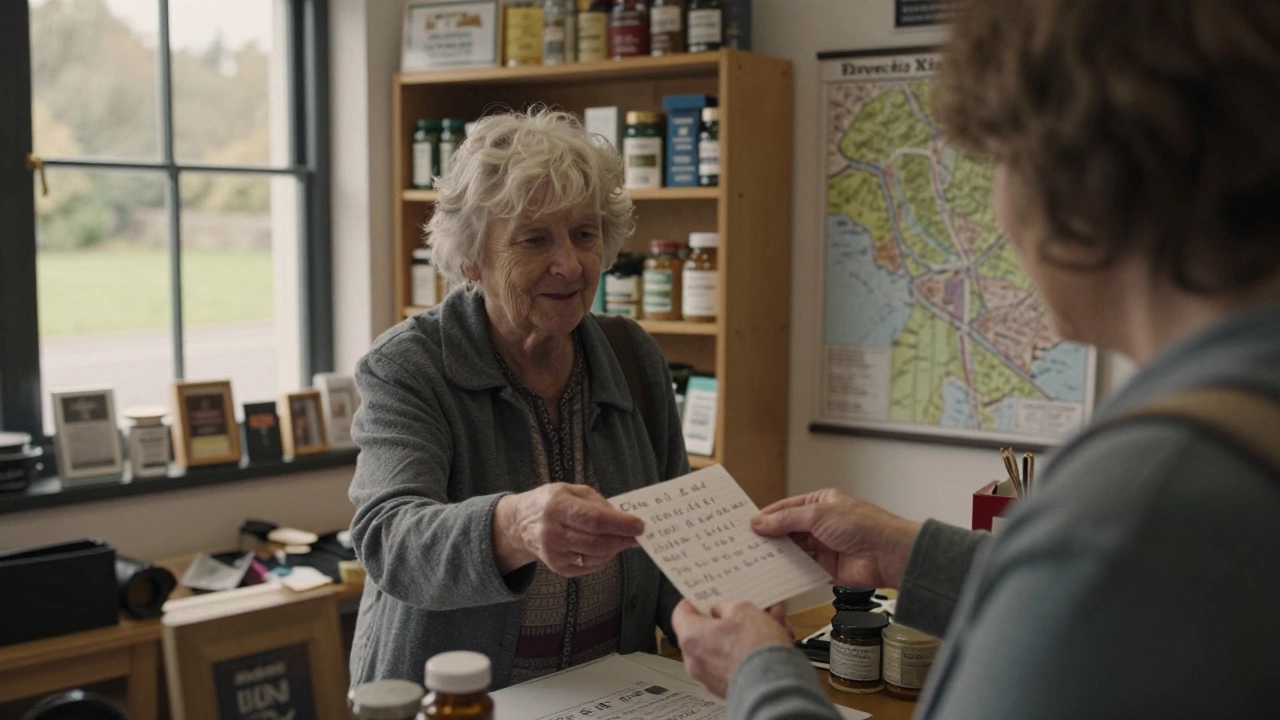
These places don’t advertise online. You have to ask around. Talk to the pub owner. Ask the postmistress. That’s how you find the real ones.
What’s Replacing the Traditional Cottage?
As the real cottages disappear, something else is growing:- Glamping pods: Steel frames, insulated walls, king beds. Often marketed as “cottage-style.”
- Converted barns: Huge open spaces, underfloor heating, designer kitchens. No chimney. No thatch.
- Treehouses and yurts: More about the experience than the architecture. These aren’t cottages-they’re installations.
They’re beautiful. They’re popular. But they’re not the same. A cottage was built by hand, over months, with local materials. It was meant to last. Now, many are built to be rented, not lived in.
How to Spot a Real Cottage
If you want the real thing, look for these signs:- Thatch or slate roof: Modern materials like composite tiles are a red flag.
- Small windows: Original cottages had tiny windows to retain heat. Big glass walls? Likely a renovation.
- Uneven floors: Settled stone foundations mean slopes. No one fixes that in a luxury rental-they just hide it with rugs.
- Local owner contact: If the listing says “managed by [company],” it’s probably not a real cottage.
- No photos of the kitchen: Real cottages often have tiny, old-fashioned kitchens. Owners don’t show them because they’re not Instagram-ready.
Ask the owner: “When was this house built?” If they say “2012” or “just renovated,” you’re not in a cottage. You’re in a rental.
Final Thought: The Last Cottages Are the Ones You Don’t Book Online
The last true cottages aren’t on Booking.com. They’re not in Google Ads. They’re in the hands of people who’ve lived there for 60 years and only rent out one room when they need extra cash. They don’t care about occupancy rates. They care about you leaving the door open for the foxes, and not burning the peat too fast.If you want to find one, go slow. Drive into a village. Walk into the post office. Say, “I’m looking for a quiet place to stay-something old, with a fire.” You’ll get a look. Maybe a nod. And then a number.
That’s how you find the last cottages. Not by searching. By listening.
Are cottages still available for last-minute bookings in 2025?
Yes, but they’re rare. Only about 12% of rural cottage listings have availability within 14 days. Your best chances are through local agents, off-season weekdays, or cancellations from bad weather. Avoid big platforms-they prioritize long-term bookings.
What’s the difference between a cottage and a holiday rental?
A cottage is a small, traditional home, usually built before 1950, with stone walls, a thatched or slate roof, and minimal modern updates. A holiday rental is any property marketed as a getaway-it could be a renovated barn, a pod, or a glass house. The word “cottage” is now used as a branding term, not a building type.
Why are cottages so expensive now?
They’re not expensive because of the structure-they’re expensive because of demand. Investment firms, influencers, and corporate groups are snapping up rural properties. Prices have doubled since 2018. Plus, booking fees, cleaning charges, and minimum stays add 20-30% to the base rate.
Can I find a cottage without using Airbnb or Booking.com?
Absolutely. Many real cottages are rented directly by owners through local agencies, Facebook groups, or word of mouth. Try calling small letting agents in villages, or join groups like “Irish Cottage Rentals (No Agencies).” You’ll get better prices and real stories.
Do cottages still have wood-burning stoves and no Wi-Fi?
Some do-but most don’t. Modern rentals include Wi-Fi, smart thermostats, and electric heating. If you want the old-school version, look for listings that mention “no TV,” “wood-fired boiler,” or “original stone walls.” These are rare now, but still out there.