Airport vs. City Center Hotel Calculator
Enter your travel details to see our recommendation.
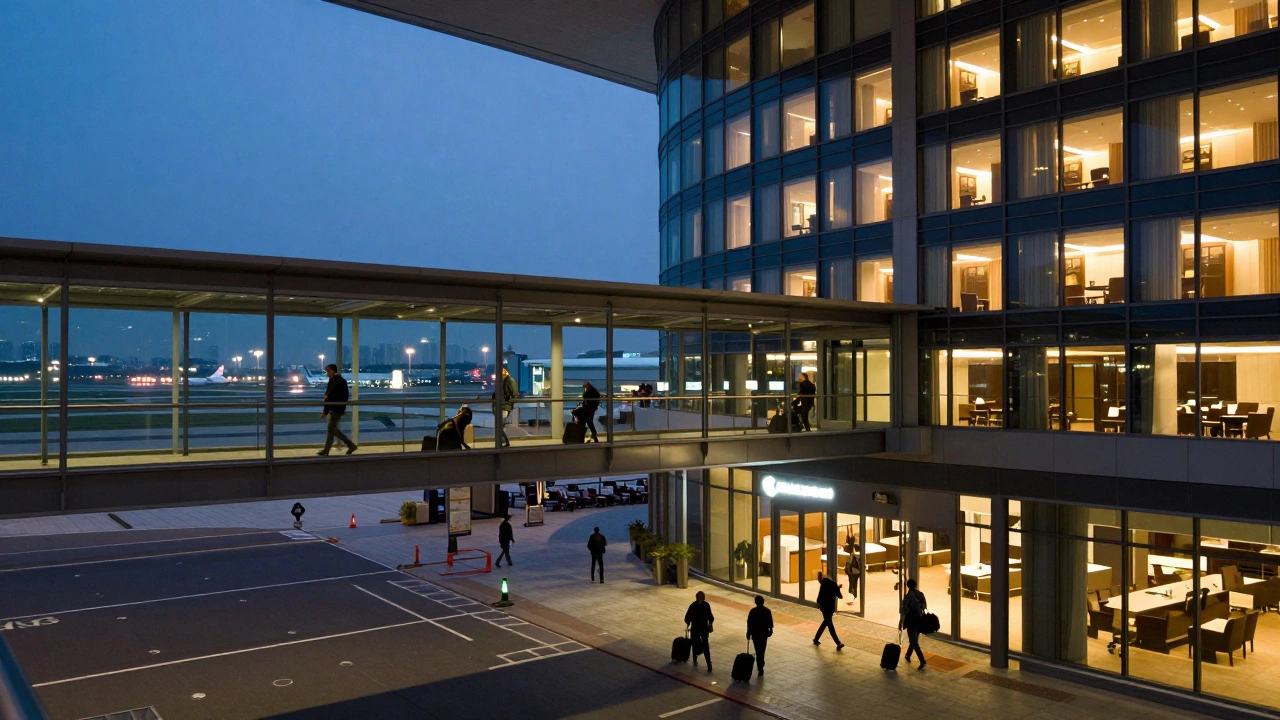
You’ve just landed after a fourteen-hour flight. Your eyes are burning, your back hurts, and you have six hours before your connecting flight leaves. You could wander around the terminal eating overpriced sandwiches, or you could walk across the bridge to the hotel next door. It sounds like a luxury, but it’s actually one of the most practical decisions in modern travel. But why do these hotels exist? Why did developers build entire cities on the fringes of runways?
The answer isn’t just about convenience for tired travelers. It’s about economics, logistics, and the strange way we organize global movement. Airport hotels are specialized lodging facilities located within immediate proximity to commercial airports, designed primarily for travelers requiring short-term rest, overnight stays during layovers, or early morning departures. They serve as critical infrastructure nodes that keep the aviation industry moving efficiently.
The Economics of Captive Audiences
Let’s talk money first. Developers love building near airports because they create what economists call a "captive audience." When you are stuck at an airport, you don’t have many choices. If you need a bed, you buy one nearby. If you need food, you eat it there. This lack of competition allows airport hotels to charge premium rates while maintaining high occupancy levels.
Consider the land value. Land directly adjacent to major hubs like Heathrow or JFK is incredibly expensive. However, the zoning laws often restrict residential development due to noise pollution. So, what goes up? Hotels. These buildings are designed to withstand constant noise and offer soundproofing that standard residential apartments cannot match. The return on investment for an airport hotel is faster than almost any other type of hospitality real estate because the demand is tied to flight schedules, not tourism seasons.
Think about it this way: A tourist might skip a hotel if they find a cheaper Airbnb. But a businessman with a 6 AM flight from Chicago to London won’t risk missing his connection by staying twenty minutes away in case of traffic. That certainty drives revenue.
Solving the Red-Eye Problem
One of the biggest reasons airport hotels thrive is the rise of long-haul budget carriers and the normalization of "red-eye" flights. Airlines schedule planes to fly overnight so passengers can sleep during the journey and arrive ready for the day. But human bodies aren’t always synchronized with jet engines.
If your flight arrives at 4 AM and your next leg doesn’t leave until noon, you face a dilemma. Sleeping in the terminal is uncomfortable and risky for your belongings. Renting a car and driving into the city is expensive and stressful, especially in unfamiliar countries. An airport hotel solves this instantly. Many offer "sleep packages" that include a shower, breakfast, and a four-to-six-hour stay for a fraction of the nightly rate.
This model works because it turns dead time into productive rest. For frequent flyers, this is non-negotiable. I remember a trip where I had a twelve-hour layover in Frankfurt. Instead of wandering aimlessly, I booked a room at the Hyatt Regency Frankfurt, which is connected directly to the terminal. I slept for five hours, ate a proper meal, and felt human again when I boarded my next plane. Without that hotel, I would have been exhausted and irritable for the rest of my journey.
| Factor | Airport Hotel | City Center Hotel |
|---|---|---|
| Travel Time | 5-15 minutes (often shuttle-free) | 30-90 minutes (traffic dependent) |
| Risk of Missing Flight | Very Low | Moderate to High |
| Noise Levels | High (requires soundproofing) | Variable |
| Price Premium | Higher per night | Often lower for long stays |
| Best For | Layovers, early flights, emergencies | Tourism, multi-day trips |
The Business Traveler’s Lifeline
Business travel operates on a different clock than leisure travel. Executives often attend conferences or meetings that end late at night. If their flight out is early the next morning, checking into a downtown hotel means risking heavy traffic, parking fees, and exhaustion. Airport hotels cater specifically to this demographic.
These hotels usually feature robust business centers, reliable high-speed Wi-Fi, and meeting rooms. They understand that their guests aren’t looking for a view; they’re looking for efficiency. Many corporate travel policies explicitly prefer airport hotels for short stays because they reduce the likelihood of missed flights, which cost companies thousands in rebooking fees.
In Dublin, for example, the Radisson Blu Hotel is right next to the airport. It’s a hub for Irish tech executives flying between Europe and North America. They value the ability to park their rental car once and walk to their gate without worrying about rush hour traffic on the M50 motorway. That peace of mind has a tangible monetary value.
Emergency Buffer Zones
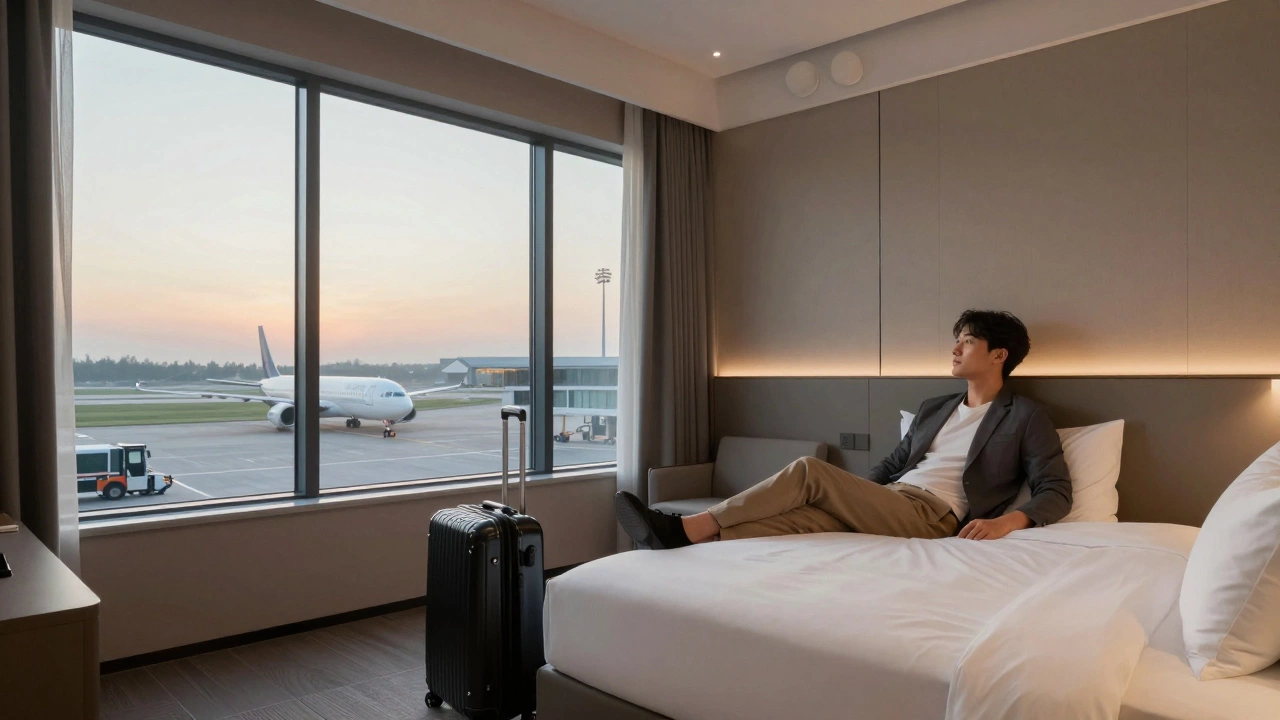
Aviation is fragile. Weather delays, mechanical issues, and air traffic control strikes happen constantly. When a storm hits Atlanta or snow buries Denver, thousands of passengers get stranded. Airports fill up quickly. Terminals become overcrowded, and airlines need places to put people who can’t fly home tonight.
Airport hotels act as emergency buffer zones. Airlines have contracts with specific hotels to house displaced passengers. These "stranded passenger" agreements ensure that travelers have somewhere safe and comfortable to go when plans fall apart. Without these hotels, airports would be chaotic messes during major weather events.
I once experienced a massive delay in Chicago due to thunderstorms. My airline couldn’t get me off the ground for eight hours. They offered vouchers for the nearby Marriott. It was a lifesaver. I got a hot shower and a quiet room instead of sitting on a plastic chair for half the night. In those moments, the airport hotel isn’t just convenient; it’s essential.
Crew Rest and Operational Necessity
We often forget that pilots and flight attendants need to sleep too. Aviation regulations strictly limit how many hours crew members can work before they must rest. If a pilot flies a long-haul route and has another flight scheduled shortly after, they legally require a rest period.
Airlines use airport hotels for crew layovers. These rooms are often reserved exclusively for staff. The hotels know this and design certain wings with quick check-in/check-out processes and minimal amenities-just a bed and a bathroom. This operational necessity guarantees a baseline level of occupancy for airport hotels, even when passenger traffic dips.
This symbiotic relationship ensures that airport hotels remain profitable year-round. While tourist hotels might suffer in January, airport hotels still have crew members and business travelers keeping the lights on.

How to Choose the Right Airport Hotel
Not all airport hotels are created equal. Some are literally attached to the terminal via a skybridge. Others are ten minutes away by shuttle bus. Here is what you need to look for:
- Proximity: Check if the hotel is "airside" (you don’t need to clear security to reach it) or "landside" (you exit the airport and take a shuttle). Airside is better for short layovers.
- Shuttle Frequency: If it’s landside, how often does the bus run? Does it run 24/7? Some shuttles stop at midnight, which is useless for a 3 AM arrival.
- Noise Insulation: Read reviews specifically mentioning noise. Look for keywords like "soundproof windows" or "white noise machines."
- Early Check-In/Late Check-Out: Standard check-in is usually 3 PM. If you land at 10 AM, can you store your luggage and get a room earlier? Many airport hotels offer flexible timing for a small fee.
Avoid hotels that claim to be "near the airport" but are actually fifteen miles down the highway. True airport hotels are within a two-mile radius. Always verify the address on a map before booking.
The Future of Airport Lodging
As air travel becomes more common globally, the demand for airport hotels will only grow. We are seeing new trends emerge, such as "sleep pods" inside terminals, which compete with traditional hotels. However, pods lack privacy, showers, and beds. For most travelers, a full room remains superior.
Additionally, sustainability is becoming a bigger factor. Modern airport hotels are investing in green energy and waste reduction to align with airlines’ carbon neutrality goals. This makes them more attractive to eco-conscious business travelers.
Ultimately, airport hotels exist because they solve a very specific problem: the mismatch between human needs and machine schedules. They provide comfort, safety, and efficiency in one of the most stressful environments in travel. Whether you are catching a red-eye, waiting out a storm, or heading to a morning meeting, these hotels are the unsung heroes of the aviation ecosystem.
Are airport hotels worth the extra cost?
Yes, if you have a short layover, an early morning flight, or are traveling for business. The time saved and stress reduced often outweigh the higher price tag. For long vacations, however, a city center hotel is usually a better value.
Can I stay at an airport hotel for just a few hours?
Many airport hotels offer "day use" or "layover packages" that allow you to book a room for 4-6 hours at a discounted rate. This is perfect for resting between connections without paying for a full night.
Is it safe to sleep in the airport terminal instead?
It depends on the airport. Major hubs like Singapore Changi or Tokyo Narita are relatively safe and comfortable. However, smaller airports may lock terminals at night or lack seating. Sleeping in a hotel is generally safer for your health and belongings.
Do airport hotels provide free shuttles?
Most airport hotels offer complimentary shuttle services, but frequencies vary. Some run every 15 minutes, while others may have longer gaps. Always check the shuttle schedule before booking, especially for late-night arrivals.
Which is better: a hotel connected to the terminal or one with a shuttle?
A connected hotel is better for short layovers or bad weather because you avoid leaving the secure area. Shuttle hotels are often cheaper and offer more space, making them ideal for longer stays or groups.