Home Scale & Impact Estimator
Your Scale Analysis
Enter your details to see where you stand.
Fill in your home details to visualize how your living space compares to the biggest houses in the USA.
Most people think of a "big house" as a five-bedroom suburban home with a nice backyard. But when we talk about the biggest house in the USA, we aren't talking about bedrooms-we're talking about entire wings, ballrooms, and libraries that could house a small village. It's a world where square footage becomes a status symbol and the cost of heating a single room might exceed the monthly rent of a city apartment. But as we move toward 2026, a strange shift is happening: the ultra-wealthy are starting to realize that massive footprints often come with a massive environmental cost.
Quick Takeaways
- The Biltmore Estate remains the largest privately owned home in the US.
- Modern "mega-mansions" are shifting from sheer size to sustainable technology.
- True luxury is moving away from 100,000+ square feet toward eco-friendly, high-efficiency design.
- Maintenance of these giants often requires a full-time staff of 20+ people.
The Undisputed King: The Biltmore Estate
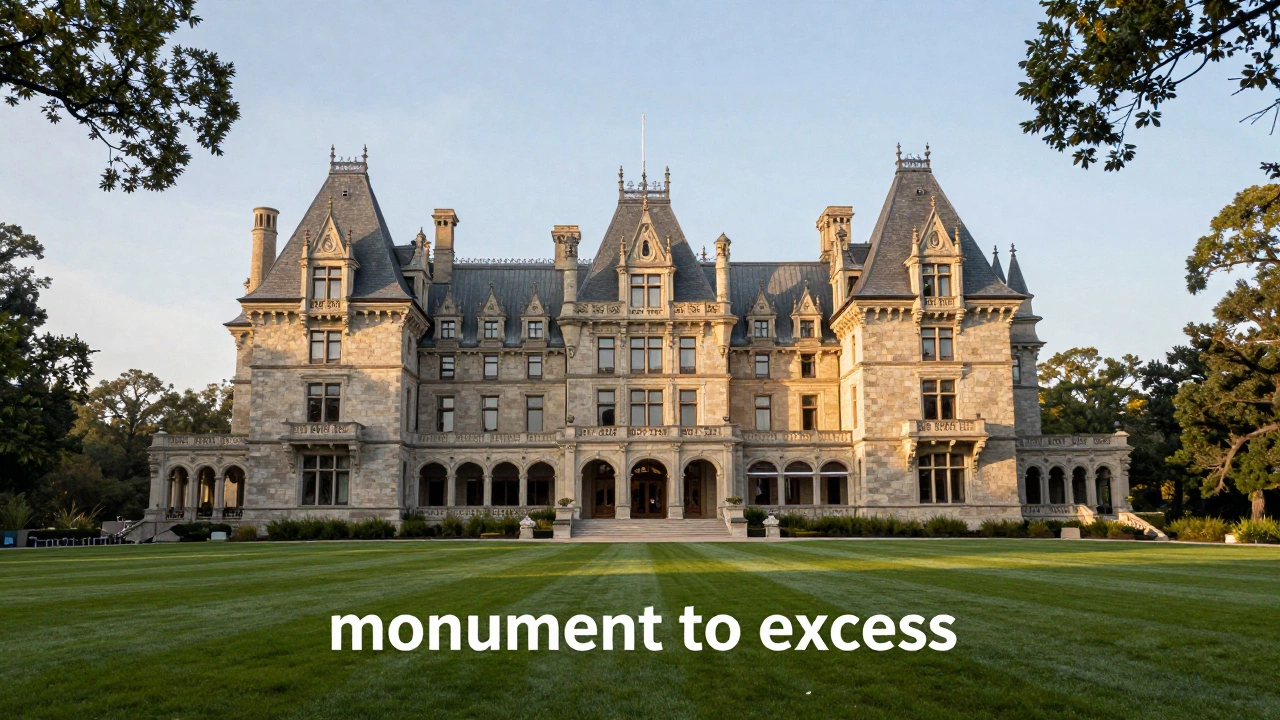
If you're looking for the absolute largest home, you have to head to Asheville, North Carolina. Biltmore Estate is a Gilded Age mansion built by George Washington Vanderbilt II, spanning roughly 178,939 square feet. It isn't just a house; it's a monument to the excess of the late 19th century. With 250 rooms, including 35 bedrooms and 43 bathrooms, it makes any modern luxury home look like a cottage.
Imagine walking through a home where the dining room can seat 46 people and the library holds over 10,000 books. The sheer scale of Biltmore is hard to wrap your head around. It was designed by architect Richard Morris Hunt, and it utilizes 65 fireplaces to keep the massive stone structure warm. However, this is where the old world of luxury clashes with today's values. Heating a home of this size using 19th-century methods is an ecological nightmare.
The New Era of Mega-Mansions
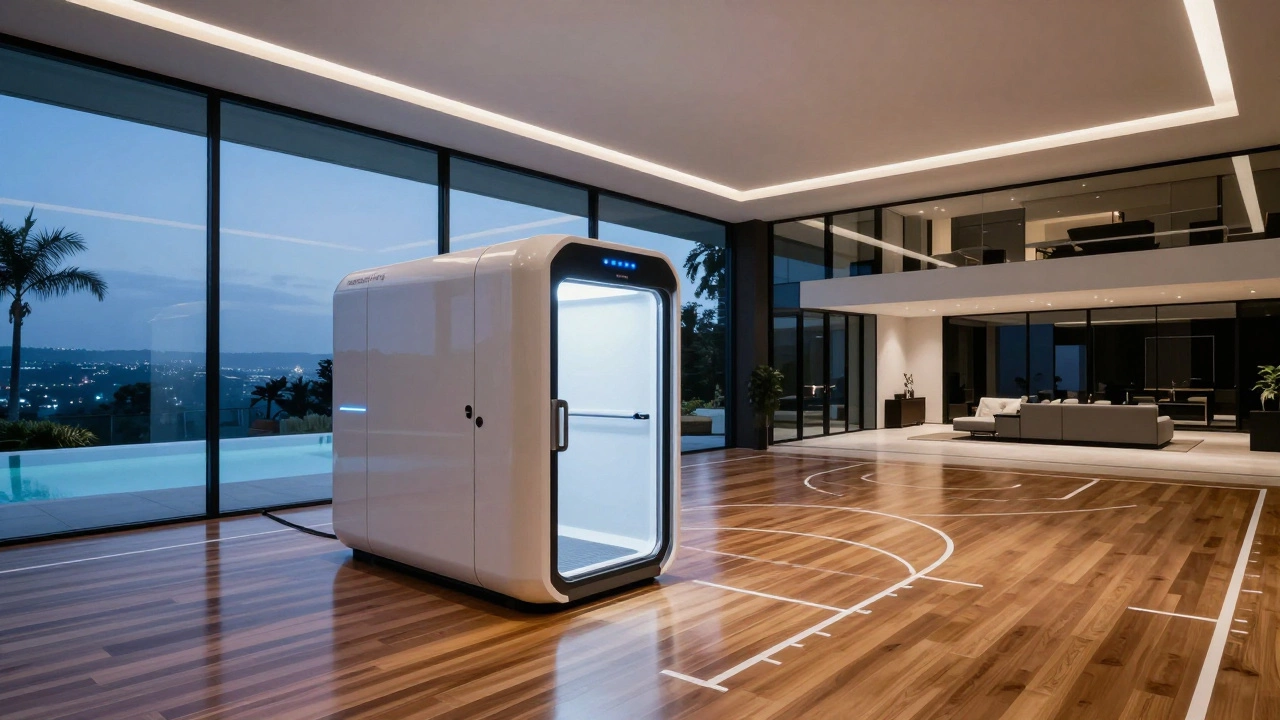
While Biltmore holds the record for historical estates, the modern era is defined by the "mega-mansion." In places like Bel Air and Beverly Hills, billionaires have built homes that rival the Biltmore in luxury, if not in total square footage. These homes often feature "wellness wings" with cryotherapy chambers, indoor basketball courts, and subterranean garages that look like art galleries.
Take a look at the trend of Luxury Real Estate in California. Many of these homes hover around 30,000 to 100,000 square feet. They focus on "invisible luxury"-smart home systems that control everything from the scent of the air to the temperature of the pool based on who is entering the room. But as energy costs rise and carbon footprints become a public talking point, these giants are facing a crisis of conscience.
| Feature | Biltmore Estate | Modern Mega-Mansion | Eco-Friendly Cottage |
|---|---|---|---|
| Avg. Size | 178,000+ sq ft | 30,000 - 100,000 sq ft | 800 - 2,500 sq ft |
| Primary Energy Source | Fireplaces/Old HVAC | High-load Grid Power | Solar/Geothermal |
| Staff Requirements | Full-time Army | Private Management | Self-Sufficient |
| Environmental Impact | Very High | High | Very Low |
The Pivot to Sustainable Luxury
Here is the irony: the people who can afford the biggest houses are now the ones most interested in Eco-Friendly Cottages and sustainable architecture. Why? Because managing a 50,000-square-foot home is a logistical headache. The trend is shifting from "how much space can I own?" to "how efficiently can I live?"
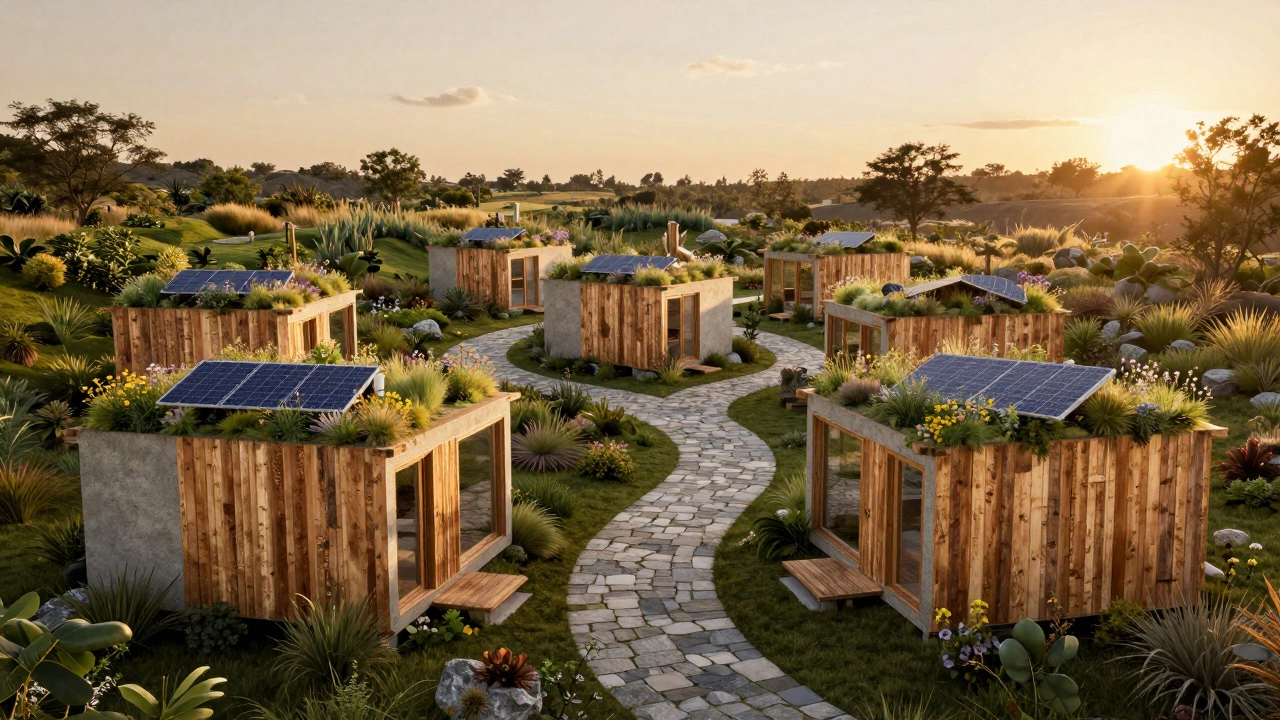
We are seeing a rise in "micro-luxury." Instead of one giant house, wealthy owners are building clusters of smaller, high-tech cottages on their land. These structures use Passive House standards-a rigorous certification that ensures the building uses minimal energy for heating and cooling. By splitting a massive estate into smaller, eco-friendly zones, owners can turn off entire sections of their property when not in use, drastically cutting down on waste.
The Cost of Scale: Maintenance and Waste
Owning the biggest house doesn't just mean paying a high mortgage; it means dealing with the "tyranny of space." In a home like the Biltmore, just cleaning the baseboards can take a team of people several days. In modern mega-mansions, the waste is often seen in the HVAC systems. Cooling a room with 30-foot ceilings is an uphill battle against physics.
Many of these homes now employ Smart Home Automation to mitigate this. Sensors detect when a room is empty and kill the lights and AC instantly. While this helps, it's a bandage on a larger problem. A house that is too big for its occupants is, by definition, an inefficient use of materials and land.
Why the "Biggest" Isn't Always the "Best"
If you've ever spent a weekend in a massive hotel or a historic mansion, you know that they can feel cold and impersonal. There's a psychological phenomenon where too much space creates a sense of isolation. This is why we're seeing a move toward "intentional living." The goal is no longer to have a room for every single activity (like a dedicated pajama room) but to have spaces that are flexible and connected to nature.
The shift toward Sustainable Architecture means using reclaimed wood, hempcrete, and living roofs. These materials aren't just "green"; they are often more durable and aesthetically pleasing than the sterile marble and gold leaf found in the biggest houses in the US. When you prioritize the quality of the materials over the quantity of the square footage, the home becomes a sanctuary rather than a museum.
Finding Balance in Real Estate
So, who owns the biggest house? Historically, it's the Vanderbilts. In the modern era, it's often tech moguls or hedge fund managers. But the real winners in today's real estate market are those who find the middle ground. A home that is large enough to be comfortable but small enough to be sustainable is the new gold standard.
Whether it's a modest eco-cottage in the woods or a carefully designed luxury villa, the trend is clear: we are valuing the planet as much as we value our privacy. The era of the 170,000-square-foot home is largely a relic of the past. The future is about precision, efficiency, and a smaller, smarter footprint.
Is the Biltmore Estate still a private residence?
While it remains privately owned by the Vanderbilt family descendants, it operates primarily as a museum and tourist attraction. The family still maintains a presence, but the vast majority of the house is open to the public for tours.
What makes a house "eco-friendly" if it is still large?
A large home can be eco-friendly if it incorporates sustainable systems like geothermal heating, solar arrays that produce more energy than the house consumes (net-zero), and high-performance insulation that prevents heat loss. Using recycled or carbon-sequestering materials like cross-laminated timber also helps.
How do mega-mansions compare to eco-cottages in terms of value?
Mega-mansions usually hold value based on prestige and location. However, eco-cottages and sustainable homes are seeing a faster rise in demand due to lower operating costs and the increasing value placed on environmental certifications.
Are there any other homes that rival Biltmore in size?
There are several "mega-mansions" in the US, particularly in Texas and California, that are massive. However, most don't reach the nearly 180,000 square feet of Biltmore. Most modern giants fall in the 30,000 to 60,000 square foot range.
Who is most likely to buy a sustainable luxury home today?
Younger high-net-worth individuals, particularly those in the tech and creative sectors, are the primary drivers of the sustainable luxury movement. They prefer efficiency and environmental ethics over the traditional "bigger is better" mindset.