Cottage Classification & Charm Estimator
Analysis Result
Why this classification?
Enter details to see if your property fits the cottage definition.
There is no single square footage that legally defines a cottage. You won’t find a line in any building code that says, "If it’s under 1,200 square feet, it’s a cottage; if it’s over, it’s a house." Instead, the term is a mix of architectural style, historical context, and emotional resonance. When people ask about the size of a cottage, they are usually trying to distinguish between a modest, charming retreat and a standard suburban home.
In most practical terms, a cottage typically ranges from 500 to 1,500 square feet. However, size alone doesn’t make a cottage. A 2,000-square-foot Victorian farmhouse might feel like a cottage because of its layout and materials, while a sleek, modern 800-square-foot box feels more like an efficiency apartment. To understand what makes a house a cottage, we need to look beyond the blueprint and examine the design elements, location, and lifestyle associated with these homes.
The Square Footage Reality Check
While definitions vary by region, there are general size brackets that help categorize small homes. In the United States and Canada, a structure is often considered a cottage if it falls within specific limits:
- Tiny Cottages: Under 600 square feet. These are often one-room wonders or studio-style dwellings found on vacation properties or as accessory dwelling units (ADUs).
- Standard Cottages: 600 to 1,200 square feet. This is the sweet spot for traditional cottages. They usually feature one or two bedrooms, a combined kitchen-living area, and a compact bathroom.
- Large Cottages: 1,200 to 1,500 square feet. At this size, the home starts to blur the line between a cottage and a small family house. It may have separate dining areas or multiple bathrooms but retains the "cottage" aesthetic.
If you walk into a home that exceeds 1,500 square feet, it is rarely called a cottage unless it is a historic property where the term has stuck due to local tradition. For example, in parts of New England or the UK, large rural estates might still be referred to as cottages out of respect for their original humble origins, even after significant expansions.
| Category | Square Footage | Bedrooms | Typical Layout |
|---|---|---|---|
| Tiny Cottage | < 600 sq ft | Studio/1 | Open plan, loft sleeping area possible |
| Standard Cottage | 600 - 1,200 sq ft | 1-2 | Combined living/kitchen, small bath |
| Large Cottage | 1,200 - 1,500 sq ft | 2-3 | Separate dining, larger kitchen, maybe 1.5 baths |
Design Elements That Define a Cottage
Size sets the stage, but design writes the script. A cottage is defined by its charm, not just its compactness. Several key architectural features signal that a home belongs in the cottage category, regardless of whether it sits at 800 or 1,400 square feet.
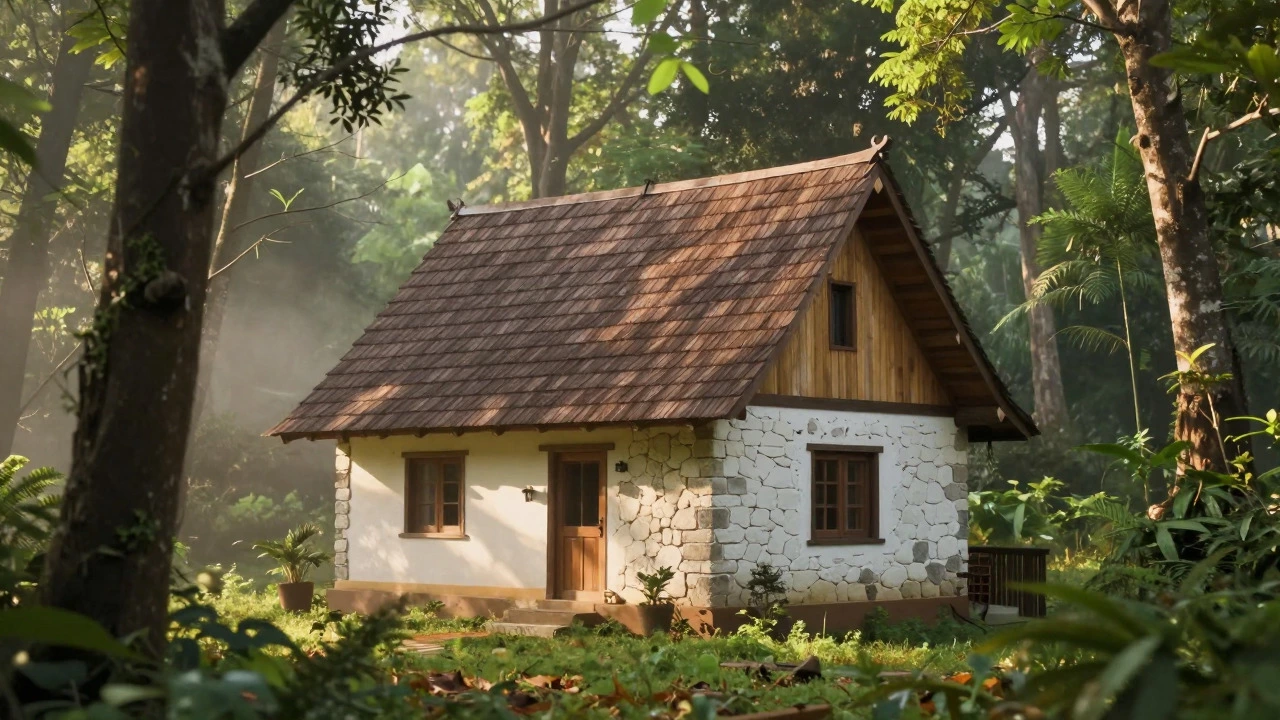
Steeply Pitched Roofs are a hallmark of cottage architecture, designed originally to shed snow and rain efficiently in rural settings. These roofs often create usable attic space or simply add vertical interest to a low-profile building. The roofline is rarely flat; it angles sharply, giving the home a cozy, huddled appearance against the elements.
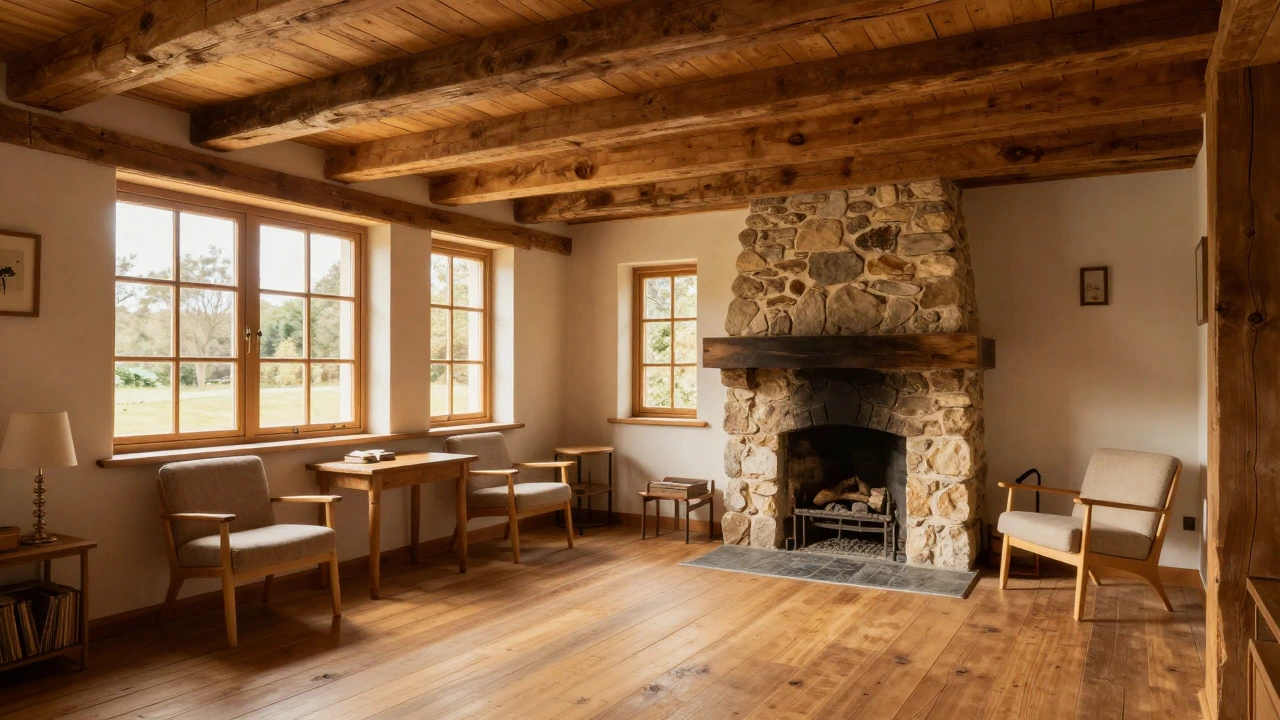
Another critical element is the use of natural materials. Traditional cottages are built with stone, wood shingles, or stucco. You will rarely see vinyl siding or steel framing in a true cottage. The textures are rough and organic. Exposed timber beams, stone fireplaces, and wide-plank wooden floors are common interior features. These materials age gracefully, adding character rather than looking dated.
Windows in a cottage are also distinct. They tend to be smaller and numerous, rather than large panoramic glass walls. Casement windows with divided lights (panes) are typical. This design choice helps maintain warmth in colder climates and reinforces the sense of enclosure and safety that cottages provide.
Location: The Rural Connection
Where a house sits is just as important as how big it is. The word "cottage" carries strong associations with nature. Historically, cottages were worker housing located near farms, mines, or forests. Today, that connection remains vital.
A 900-square-foot bungalow in a dense urban neighborhood is usually called a bungalow or a small house. That same 900-square-foot structure tucked away in the woods, by a lake, or on a hillside is immediately identified as a cottage. The setting dictates the label. If the home is surrounded by trees, fields, or water, and offers a retreat from city life, it leans heavily into the cottage identity.
This is why vacation rentals are often marketed as cottages even when they are relatively large. The promise isn’t just shelter; it’s an escape. The isolation and natural beauty surrounding the property elevate it from a mere dwelling to a cottage experience.
Cottages vs. Cabins vs. Bungalows
It is easy to confuse cottages with other types of small homes. Understanding the differences helps clarify why size isn’t the only factor.
- Cabins: Cabins are almost exclusively made of wood and are located in rugged, remote areas. They are more rustic and utilitarian than cottages. While a cabin can be the same size as a cottage, it lacks the refined charm and domestic touches. Think log construction versus shingle siding.
- Bungalows: Bungalows are a specific architectural style popular in the early 20th century, characterized by low-pitched roofs, wide eaves, and open floor plans. They are typically found in residential neighborhoods. A bungalow is a house type; a cottage is a lifestyle type.
- Guest Houses: These are secondary structures on a property. They can be cottage-sized but lack the independence and primary residence feel of a true cottage.
The key distinction is that a cottage implies a certain level of comfort and permanence, even if it is small. A cabin might be rougher; a bungalow might be more suburban. A cottage strikes a balance between rustic simplicity and homely comfort.
The Emotional Appeal of Small Living
Why do people seek out cottages despite their limited space? The answer lies in the psychological benefits of small living. A cottage forces simplicity. With less square footage, there is less room for clutter. This leads to a more organized and peaceful environment.
Energy efficiency is another major draw. Heating and cooling a 1,000-square-foot cottage costs significantly less than maintaining a 2,500-square-family home. For eco-conscious buyers, this reduced carbon footprint is a compelling reason to choose a cottage. The small size aligns with sustainable living principles, requiring fewer resources to build and maintain.
Furthermore, cottages foster connection. Because spaces are compact, inhabitants spend more time together. The kitchen and living area are often merged, encouraging conversation and shared activities. There are no distant rooms to hide in. This intimacy can strengthen relationships, making the cottage an ideal choice for couples, solo travelers, or small families who value quality time over private space.
Modern Adaptations: The Tiny House Movement
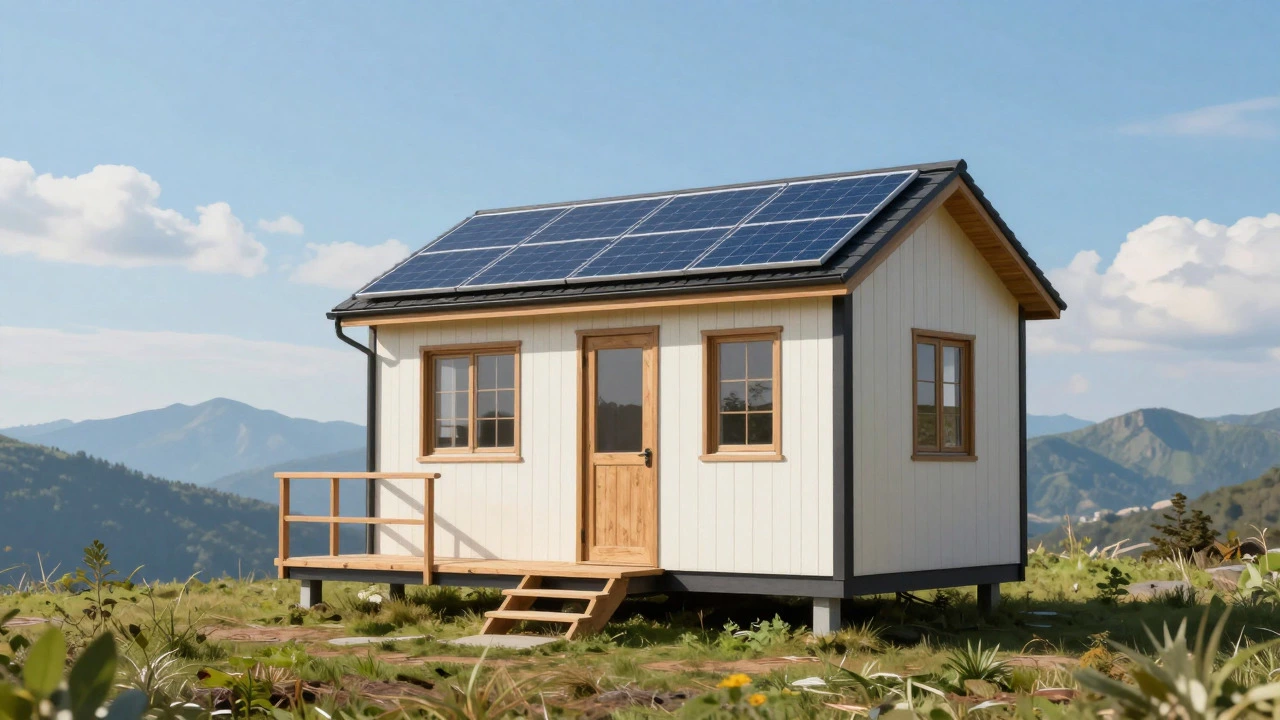
In recent years, the concept of the cottage has evolved with the rise of the tiny house movement. Modern tiny homes often borrow heavily from cottage aesthetics-steep roofs, porches, and natural materials-but incorporate high-tech amenities. Solar panels, composting toilets, and smart home systems allow these small structures to function as full-time residences.
Unlike traditional cottages, which might lack modern plumbing or insulation, contemporary cottage-style tiny homes are built to meet strict energy codes. They prove that you don’t need 1,500 square feet to live comfortably. By focusing on efficient design and multi-functional furniture, these homes maximize every inch of space without sacrificing the cozy, inviting atmosphere that defines a cottage.
Conclusion: It’s About Feeling, Not Feet
So, what size house is considered a cottage? Technically, anything under 1,500 square feet with the right design cues fits the bill. But practically, a cottage is defined by its ability to provide a warm, secure, and connected living experience in harmony with nature. Whether it’s a 500-square-foot weekend getaway or a 1,200-square-foot permanent residence, if it makes you feel snug, protected, and close to the earth, it’s a cottage.
Is a 2,000 square foot house a cottage?
Generally, no. A 2,000 square foot house is considered a small-to-medium family home. While it might have cottage-like features such as a steep roof or stone facade, the size exceeds the typical range of 500-1,500 square feet. It would only be called a cottage if it were a historic property with that traditional name attached.
What is the difference between a cottage and a cabin?
The main difference is material and refinement. Cabins are typically made of logs or heavy timber and are more rustic and utilitarian. Cottages use varied materials like stone, brick, or shingles and focus more on domestic comfort and charm. Both are small, but cabins feel wilder, while cottages feel cozier.
Can a cottage be a year-round residence?
Yes, many cottages are built as permanent, year-round homes. Modern cottages are insulated and equipped with central heating and cooling to handle all seasons. Historically, some were seasonal, but today, the term applies to both vacation rentals and primary residences.
Do cottages have to be in the countryside?
Not strictly, but location plays a huge role in the perception. A cottage in a city suburb might just be called a small house or bungalow. The "cottage" label is strongly tied to rural, semi-rural, or lakeside settings where the home serves as a retreat from urban density.
Are cottages cheaper to maintain than regular houses?
Yes, generally. Due to their smaller size, cottages require less paint, fewer roofing materials, and less energy for heating and cooling. Maintenance tasks like cleaning and repairs take less time and money. However, older historic cottages may require specialized upkeep for unique materials like stone or slate.