Hotel Uniqueness & Experience Calculator
Check the features your hotel offers. This tool calculates your "Uniqueness Score" based on modern hospitality trends like hyper-localization, emotional connection, and sustainability.
Your Analysis
Select features above and click calculate to see your hotel's uniqueness profile.
Walk into any major chain hotel in Dublin, London, or New York, and you’ll see the same beige carpets, the same generic artwork, and the same lukewarm welcome. It’s comfortable, sure. But it’s forgettable. In an industry where booking a room takes three clicks on a smartphone, why do some properties command loyalty while others fight for every dollar? The answer isn’t just about thread count or free Wi-Fi. It’s about what makes a hotel business unique.
We’ve all been there. You’re traveling for work or leisure, scrolling through options, and suddenly one property jumps out. Maybe it’s the quirky lobby bar, the promise of a local guidebook instead of a tourist brochure, or the staff who actually know your name by the second day. That spark is rare. Most hotels are built on efficiency; the best ones are built on emotion. If you’re running a hotel-or thinking about investing in one-understanding this difference is the only way to survive the next decade.
The Death of Generic Hospitality
For decades, the hotel industry operated on a simple formula: standardize everything. Standard rooms, standard breakfasts, standard check-in processes. This worked when travelers were mostly business executives flying from city to city with no time to explore. But that world has collapsed. Today’s traveler is different. They want authenticity. They want stories. They want to feel like they belong somewhere, even if it’s just for two nights.
This shift has forced hotels to rethink their core value proposition. A bed is a commodity. Anyone can sell a bed. What you’re really selling is an experience. And experiences cannot be standardized without losing their soul. When a hotel tries to be everything to everyone, it ends up being nothing to anyone. The most successful independent hotels and boutique chains today are those that have picked a lane and run hard in it. They might focus solely on eco-conscious luxury, or perhaps on hyper-local cultural immersion. By narrowing their focus, they deepen their impact.
Consider the rise of "bleisure" travel-blending business and leisure. Travelers aren’t just checking emails anymore; they’re exploring neighborhoods after meetings. A hotel that offers a co-working space with great coffee and a rooftop garden for sunset drinks captures this new rhythm better than a sterile conference center. The unique factor here isn’t the furniture; it’s the understanding of how people actually live and work now.
Hyper-Localization: Selling Place, Not Just Rooms
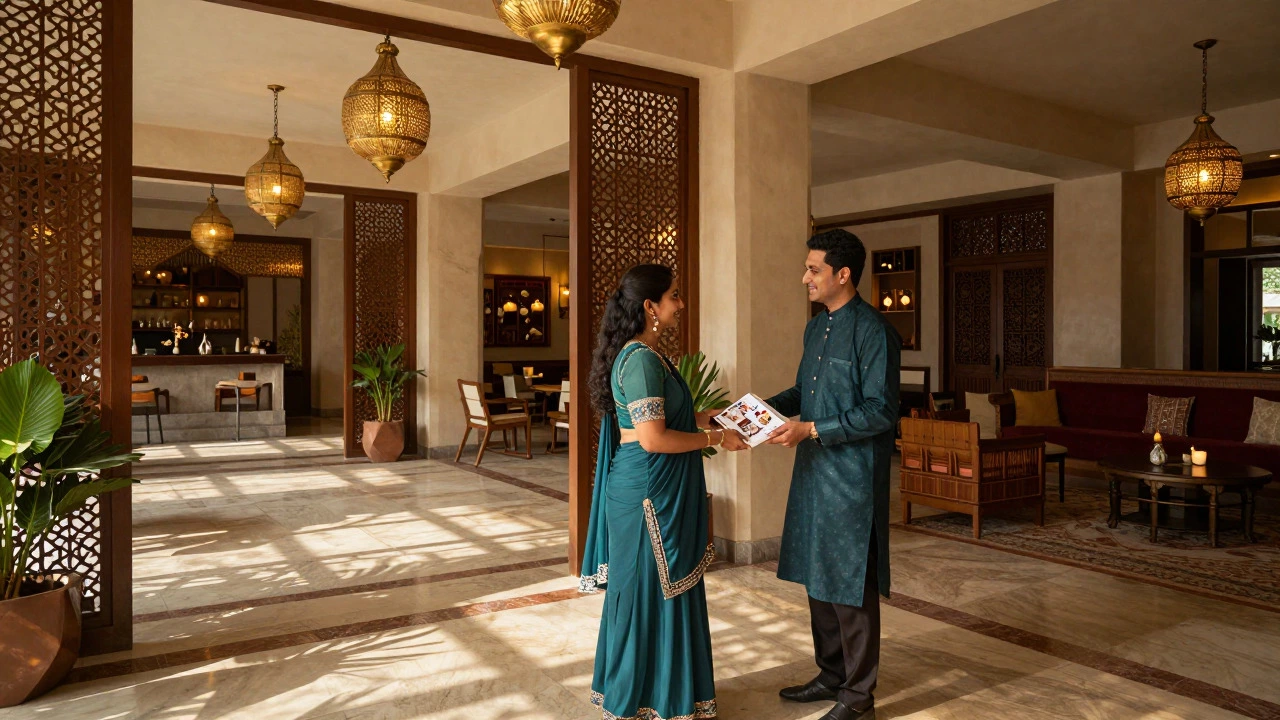
One of the strongest ways a hotel business becomes unique is by embedding itself deeply in its location. This goes beyond having a map on the desk. It means curating partnerships with local artisans, chefs, and guides. It means designing interiors that reflect the architectural history of the street, not the latest trend from Milan.
In Dublin, for example, a hotel might source its breakfast bread from a specific bakery in Smithfield or offer guided walks through the Georgian squares led by historians rather than generic tour operators. This creates a sense of place that a global chain simply cannot replicate because it lacks the local roots. Guests don’t just stay at the hotel; they use it as a gateway to the community.
This approach requires significant effort. It means building relationships with small businesses that may not have the infrastructure to handle large corporate contracts. But the payoff is immense. Guests remember the story behind the jam on their toast more than they remember the logo on the towel. These micro-moments build emotional equity. When a hotel acts as a curator of local culture, it stops being a backdrop and starts being part of the journey.
| Aspect | Generic Chain Approach | Unique Independent Approach |
|---|---|---|
| Design | Standardized, globally recognizable | Locally inspired, narrative-driven |
| Staff Interaction | Scripted, transactional | Personalized, relationship-based |
| Amenities | Free Wi-Fi, gym, pool | Local tours, curated minibar, workshops |
| Pricing Model | Dynamic, algorithm-driven | Value-based, package-oriented |
| Loyalty Driver | Points accumulation | Emotional connection, exclusivity |

Service as a Signature
If location is the stage, service is the performance. Many hotels train staff to be polite. Fewer train them to be proactive. Even fewer empower them to break rules to delight guests. This empowerment is where true uniqueness lies. A unique hotel business gives its front desk agents the budget and authority to solve problems creatively. Did a guest miss their flight? Instead of just offering a refund, maybe the concierge books a last-minute taxi to the airport and sends a bottle of wine to their room for the stress.
This level of service requires hiring for attitude, not just aptitude. You need people who genuinely care about human connection. In an age of automation and self-check-in kiosks, the human touch is a premium product. Guests will pay more for a smile that feels real than for a robotic efficiency that feels cold. The best hotels view their staff as ambassadors, not employees. They invest in training that focuses on empathy and problem-solving rather than rigid scripts.
Think about the last time you had a problem at a hotel. How was it handled? Was it a bureaucratic maze, or did someone take ownership? That memory defines your perception of the brand far more than the quality of the showerhead. Unique hotels build systems that allow individuality to shine within a framework of reliability. They know that consistency is important, but personality is unforgettable.
Technology as an Enabler, Not a Crutch
There’s a misconception that technology kills uniqueness. Actually, done right, it enhances it. The key is using tech to remove friction so humans can focus on connection. Mobile check-in shouldn’t replace the concierge; it should free up the concierge to spend ten minutes showing you the best hidden pub in town.
Data analytics also play a huge role. Unique hotels use guest data not just to upsell rooms, but to personalize stays. If a guest always orders sparkling water and reads mystery novels, the hotel can leave a note recommending a local bookshop or stock the room accordingly. This isn’t creepy surveillance; it’s thoughtful anticipation. It shows the guest that they are seen as individuals, not room numbers.
However, technology must remain invisible. No one wants to struggle with a complex app to order room service. The tech should work seamlessly in the background. When it fails, it breaks the spell. So, investment in robust, user-friendly digital infrastructure is non-negotiable. But the goal is always to facilitate human interaction, not replace it. The most memorable moments in a hotel stay are rarely digital; they’re interpersonal.
Sustainability as a Core Identity
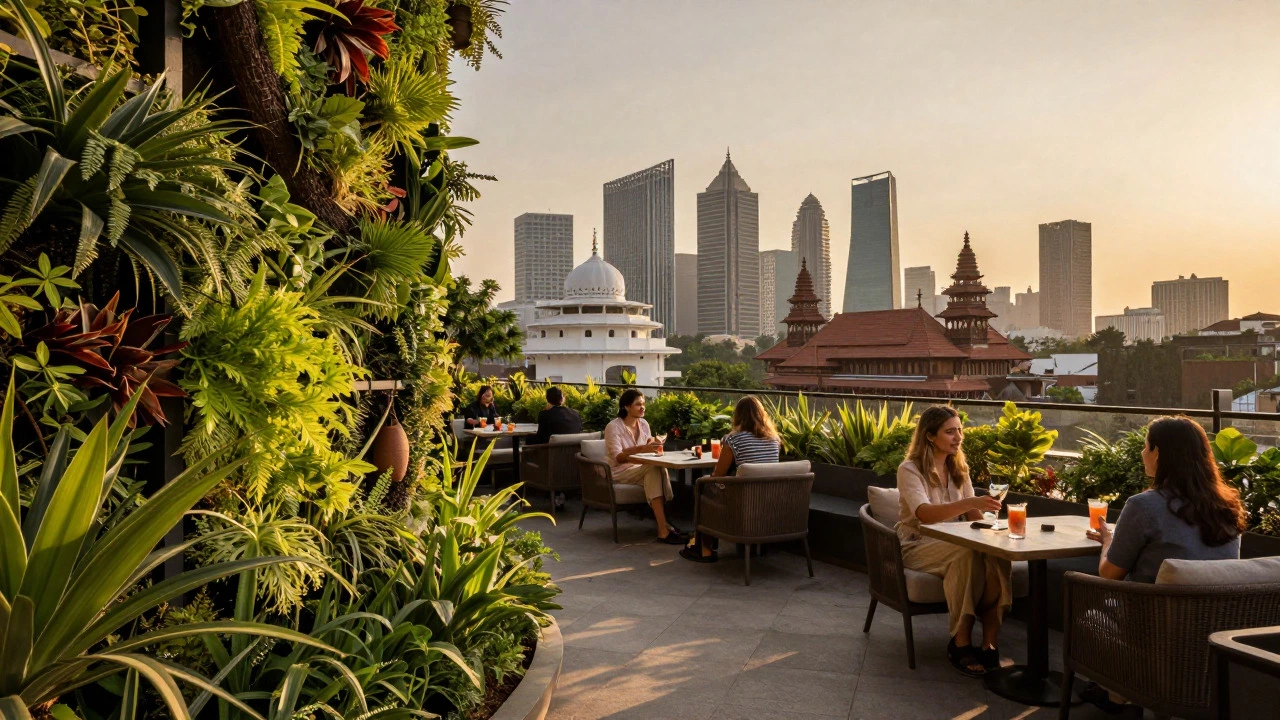
Gone are the days when sustainability was a nice-to-have add-on. For many modern travelers, especially younger demographics, it’s a dealbreaker. A unique hotel business integrates environmental responsibility into its DNA, not just its marketing copy. This means sourcing food locally to reduce carbon footprint, eliminating single-use plastics, and designing buildings for energy efficiency.
But it goes deeper. True sustainability involves social responsibility too. Does the hotel support local charities? Does it provide fair wages and career paths for staff? Guests are increasingly aware of these issues. They want to align their spending with their values. A hotel that tells a compelling story about its impact on the community and environment builds trust and loyalty that transcends price sensitivity.
For instance, a hotel might partner with a local reforestation project, allowing guests to plant a tree during their stay. Or it might host workshops on zero-waste living. These initiatives create engagement and conversation. They turn a passive stay into an active participation in something larger. This kind of purpose-driven branding is incredibly powerful in differentiating a property in a crowded market.
Creating Moments of Delight
Finally, uniqueness comes down to the details-the unexpected surprises that make a guest say, "Wow." It could be a handwritten welcome note, a complimentary dessert shaped like a local landmark, or a late-night turndown service with slippers warmed by a heater. These moments don’t cost much, but they mean everything.
They signal care. They show that the hotel is paying attention. In a world of mass production, personalization is the ultimate luxury. Unique hotels excel at creating these micro-surprises. They understand that happiness is often found in the small things. A perfectly timed umbrella when it starts raining, or a recommendation for a restaurant that turns out to be the highlight of the trip-these are the memories that keep guests coming back.
To achieve this, hotel managers must encourage creativity among their teams. Staff should be empowered to identify opportunities for delight. Regular brainstorming sessions can help generate ideas for new gestures. The goal is to make every guest feel special, not just the VIPs. Because in the end, everyone deserves to feel valued. And that’s what makes a hotel business truly unique.
How can a small hotel compete with big chains?
Small hotels can compete by leveraging agility and personalization. While chains rely on scale, independents can offer bespoke experiences, hyper-local connections, and flexible service that large organizations struggle to match. Focus on niche markets and build strong community ties.
Is sustainability expensive to implement?
Initial investments can be high, but long-term savings often offset costs through reduced energy bills and waste disposal fees. Moreover, sustainability attracts a growing segment of eco-conscious travelers willing to pay a premium for responsible brands.
What role does staff training play in uniqueness?
Staff are the face of the brand. Training should focus on empathy, problem-solving, and empowerment rather than rigid scripts. Empowered staff can create personalized moments that define the guest experience and foster loyalty.
How important is local culture in hotel design?
Crucial. Design that reflects local architecture, art, and history creates a sense of place that generic designs lack. It helps guests connect with the destination and provides a unique aesthetic that stands out in online listings.
Can technology replace human interaction in hotels?
No. Technology should enhance efficiency and remove friction, allowing staff to focus on meaningful human interactions. Guests value convenience but crave genuine connection, which only humans can provide authentically.