Cottage Style Color Palette Generator
Create Your Cottage Style Palette
The new cottage style uses natural, earthy tones that feel calm and authentic. Select your main colors below to generate a harmonious palette.
Your Cottage Style Palette
These colors reflect the earthy, natural tones of the new cottage style - designed to create warmth and authenticity without looking overly perfect.
Forget the overly sweet, lace-curtain look of old-school cottages. The new cottage style isn’t about nostalgia-it’s about comfort, authenticity, and quiet rebellion against sleek minimalism. It’s the kind of home where you can sink into a worn-in armchair, sip tea from a chipped mug, and still feel like you’re living in something thoughtful and real. This isn’t just a trend. It’s a shift in how people want to live-especially after years of spending so much time at home.
It’s Not Just Pretty, It’s Practical
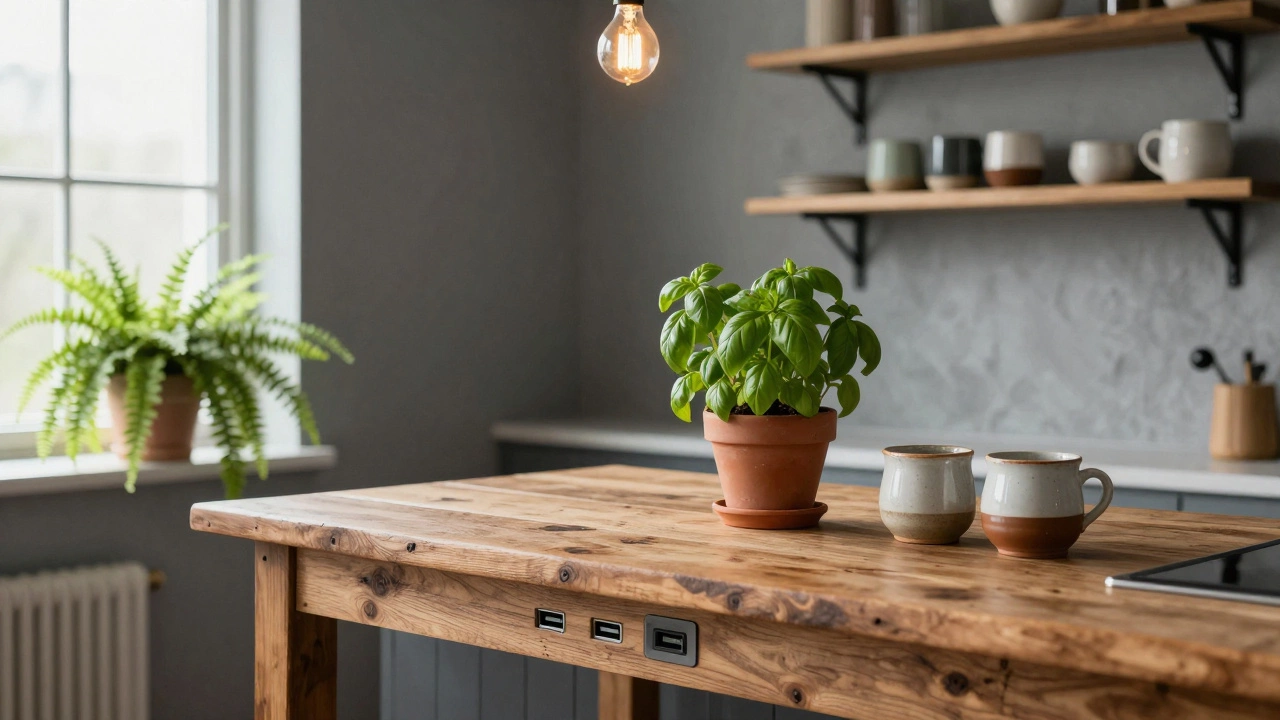
The new cottage style doesn’t ask you to fake a 19th-century life. No need for matching china sets or hand-stitched quilts unless you actually enjoy them. Instead, it’s about blending timeless textures with modern function. Think thick wool blankets draped over sofas that double as guest beds. Kitchen islands made from reclaimed barn wood, but with hidden charging ports under the edge. Flooring that looks like old oak planks but is actually waterproof laminate because, let’s be honest, kids and dogs happen.
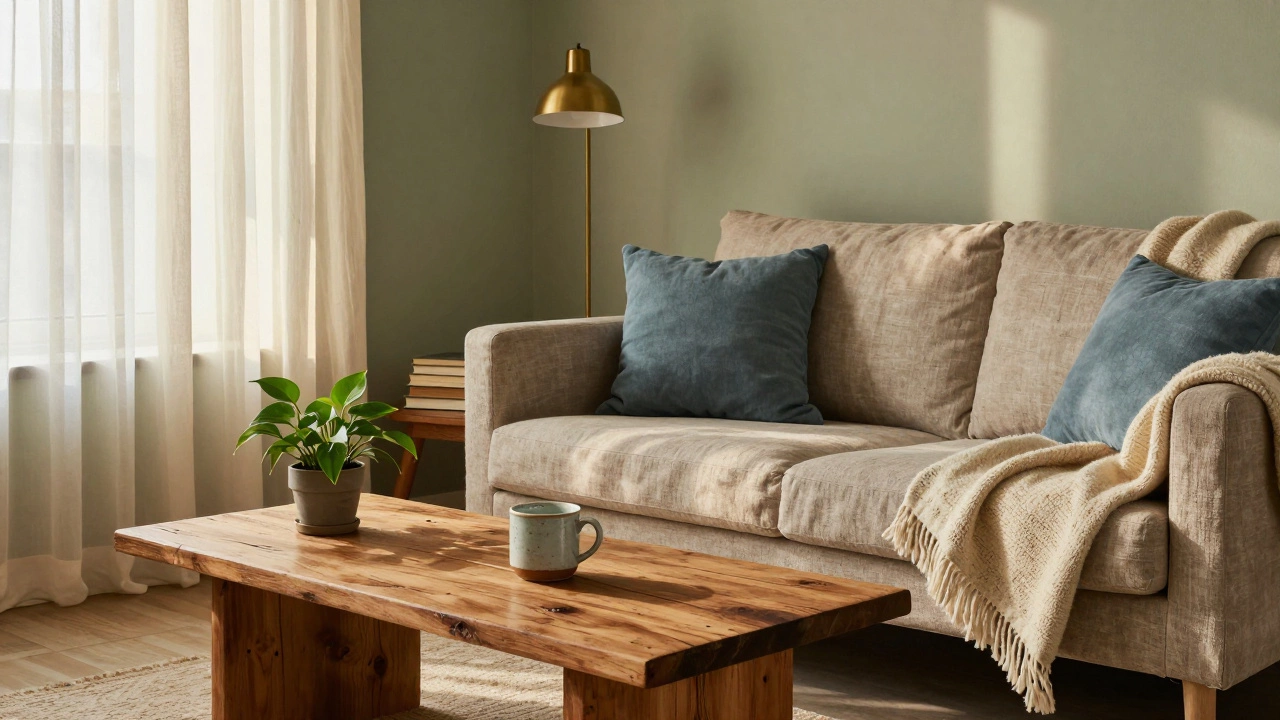
Color palettes have changed too. Soft whites and creams are still there, but they’re layered with earthy tones-muddy greens, dusty blues, warm greys. Not the pastel pinks of cottagecore Instagram posts, but deeper, more grounded shades that come from nature, not a paint chip catalog. You’ll see this in plaster walls, woven rugs, and even ceramic tiles. The goal isn’t to look like a postcard. It’s to feel like you’ve lived here for years, even if you just moved in.
Materials That Tell a Story
One of the biggest shifts in the new cottage style is how materials are chosen. It’s no longer about buying new things that look old. It’s about using things that already have character. Salvaged beams from a 1920s barn. Hand-thrown pottery from local artisans. Linen curtains that have faded just right from years of sun. Even the hardware matters-brass drawer pulls that have been polished smooth by decades of use, not shiny new ones bought online.
This isn’t about being perfect. It’s about being honest. A cracked tile in the hallway? Leave it. A wobbly table leg? Fix it with a wooden wedge, not a new one. These aren’t flaws. They’re evidence of life. And that’s what the new cottage style celebrates: lived-in warmth over showroom polish.
Furniture That Doesn’t Try Too Hard
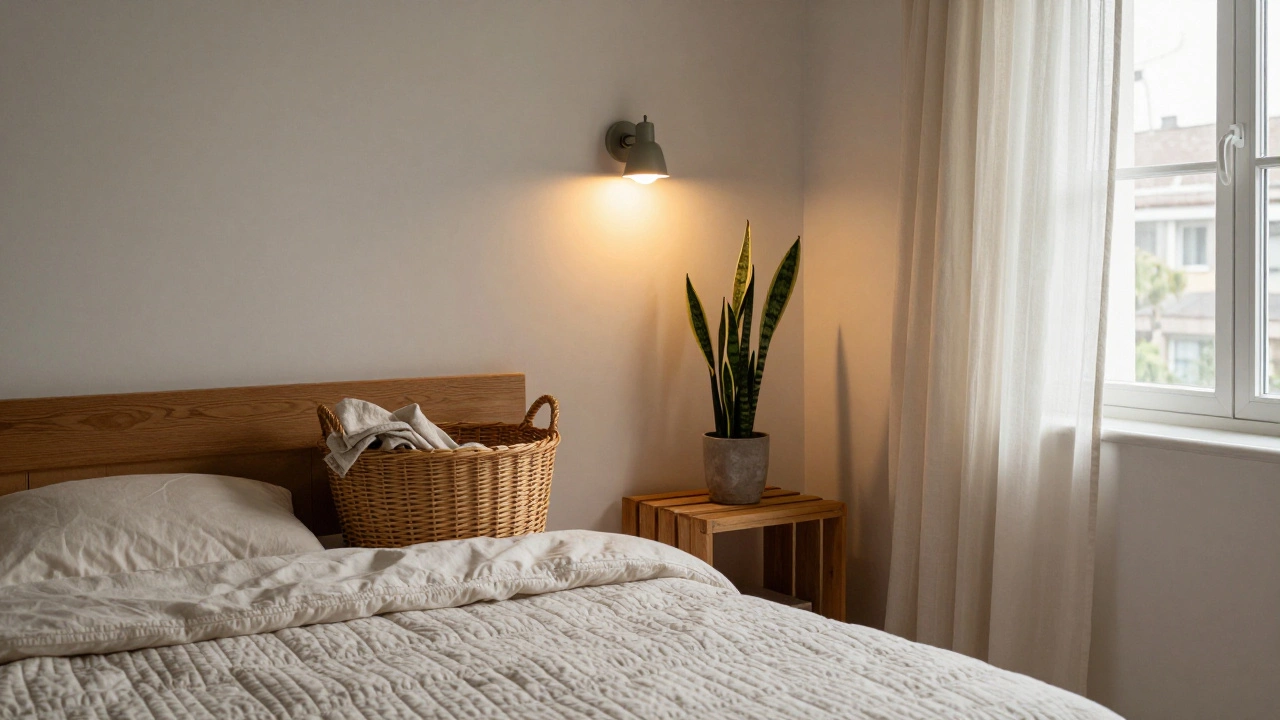
Forget the matching sets. The new cottage style thrives on mismatched, meaningful pieces. A vintage armchair from a thrift store, paired with a modern side table made of solid ash. A farmhouse table that’s been sanded down twice, now holding a laptop and a half-finished cup of coffee. Beds with simple wooden frames and thick, quilted covers-not duvets, not bedspreads, but quilts made by hand or passed down.
Storage is clever but invisible. Built-in shelves that look like they’ve always been there. Wicker baskets for blankets and toys. Cabinets with glass doors that show off collections of mismatched mugs or old books. The rule isn’t ‘less is more.’ It’s ‘only keep what you love.’ If you don’t use it, don’t display it. If it makes you smile every time you see it? Make room for it.
Plants, Not Perfect
Greenery is everywhere-but not in the sterile, single-plant-in-a-white-pot way. The new cottage style loves cluttered windowsills, hanging ferns, and herbs growing right next to the sink. Pothos trailing off a bookshelf. A terracotta pot with a stubborn basil plant that somehow survives every winter. These aren’t curated displays. They’re part of daily life.
Plants here aren’t decoration. They’re companions. And they’re allowed to look messy. Yellow leaves? Trim them. Soil spilling over the edge? That’s fine. The goal isn’t Instagram-perfect foliage. It’s a home that breathes, that feels alive, that changes with the seasons.
Lighting That Feels Like Home
Lighting is where the new cottage style really shines. No harsh overheads. No recessed LEDs that make everything look like a pharmacy. Instead, you’ll find lamps with fabric shades, dimmable wall sconces, and candles in mismatched holders. Edison bulbs are still popular, but not because they’re trendy-they’re warm, soft, and gentle on the eyes.
Many homes now have layered lighting: one lamp for reading, another for the corner where the cat naps, a string of fairy lights above the bed that you turn on at dusk. The idea is to create pockets of calm. Not one bright room. But several cozy corners, each with its own mood.
Why This Style Feels Different
What makes the new cottage style stand out isn’t the paint color or the type of rug. It’s the mindset behind it. People are tired of chasing trends that feel disposable. They want spaces that hold memory, that adapt slowly, that don’t demand perfection. This style isn’t about buying a look. It’s about building a life.
It’s the reason you’ll see more people restoring old cottages instead of tearing them down. It’s why local craftspeople are seeing a surge in demand for handmade pottery and woven baskets. It’s why secondhand stores in towns like Kilkenny and Galway are busier than ever.
This isn’t just design. It’s a quiet resistance to fast living. A return to slowness, to touch, to things that last.
How to Start Without Overhauling Everything
You don’t need to rebuild your whole house to embrace this style. Start small:
- Swap one synthetic throw for a wool blanket from a local weaver.
- Paint a single wall in a muted sage or slate grey-colors that feel calm, not childish.
- Collect a few mismatched mugs at flea markets. Use them every day.
- Let natural light in. Remove heavy curtains. Let linen or cotton flow.
- Add one plant that you’ll actually water-like a snake plant or a pothos.
Don’t rush. The new cottage style grows slowly, like ivy on an old wall. It doesn’t announce itself. It settles in.
What It’s Not
It’s not cottagecore, though they share some roots. Cottagecore romanticizes rural life with flowers, aprons, and fairy lights. The new cottage style doesn’t pretend. It’s real. It’s messy. It’s practical. It doesn’t need to be photographed. It just needs to be lived in.
It’s not rustic, either. Rustic is heavy wood, exposed beams, and industrial metal. The new cottage style is softer. Warmer. More intimate. It’s not about the countryside-it’s about the feeling of home, wherever you are.
Final Thought: Home Isn’t a Showroom
The new cottage style doesn’t care about trends. It cares about comfort. About the way a chair holds your weight. About the smell of damp earth after rain coming through an open window. About the quiet joy of a well-used kitchen.
If you’ve ever walked into a home and thought, ‘I could live here,’ that’s the feeling this style is trying to create. Not perfection. Not Pinterest. Just peace.
Is the new cottage style the same as cottagecore?
No. Cottagecore is a romanticized, idealized version of rural life-think lace, wildflowers, and vintage dresses. The new cottage style is grounded in reality. It’s about comfort, function, and authenticity. You don’t need to wear an apron or grow roses to live it. You just need to value warmth, texture, and things that feel lived-in.
Can I mix the new cottage style with modern furniture?
Absolutely. In fact, it’s encouraged. The best examples of this style blend old and new. A sleek steel-framed bed with a handmade quilt. A minimalist kitchen with a wooden island from a 19th-century barn. The contrast creates depth. It’s not about matching-it’s about harmony.
What colors work best in the new cottage style?
Think nature, not pastels. Muted greens like sage or moss, soft greys like slate or dove, warm creams, and dusty blues. Avoid bright whites-they feel cold. Instead, use off-whites with a hint of yellow or grey. These tones feel calming and timeless, not trendy.
Do I need to buy antiques to get this look?
No. While antiques add character, the new cottage style values authenticity over age. A hand-thrown ceramic bowl from a local potter, a secondhand armchair with good bones, or even a repurposed wooden crate as a side table-all of these work. What matters is the story behind the object, not how old it is.
Is this style only for cottages or rural homes?
Not at all. The new cottage style works in city apartments, suburban homes, and even small urban studios. It’s not about the building-it’s about the feeling. Soft textures, layered lighting, natural materials, and a sense of calm can be added anywhere. You don’t need a garden to have a home that breathes.