
Self-Catering vs. Hotel Cost Estimator
Trip Details
Accommodation Pricing
Self-Catering Residence
Traditional Hotel
Essentially, self catered residences is a type of holiday accommodation where guests provide their own meals and manage their own daily needs, rather than relying on hotel services. Unlike a hotel where the price includes room service or a concierge, these properties give you a set of keys and the freedom to live like a local. Whether it's a tiny cabin or a sprawling manor, the defining feature is the presence of a fully equipped kitchen.
Quick Takeaways: What to Expect
- Independence: You control your own schedule and meal times.
- Cost Efficiency: Cooking your own meals is usually cheaper than dining out every night.
- Privacy: No shared corridors or noisy hotel lobbies.
- Amenities: Full kitchens, laundry facilities, and often private gardens.
The Anatomy of a Self-Catering Property
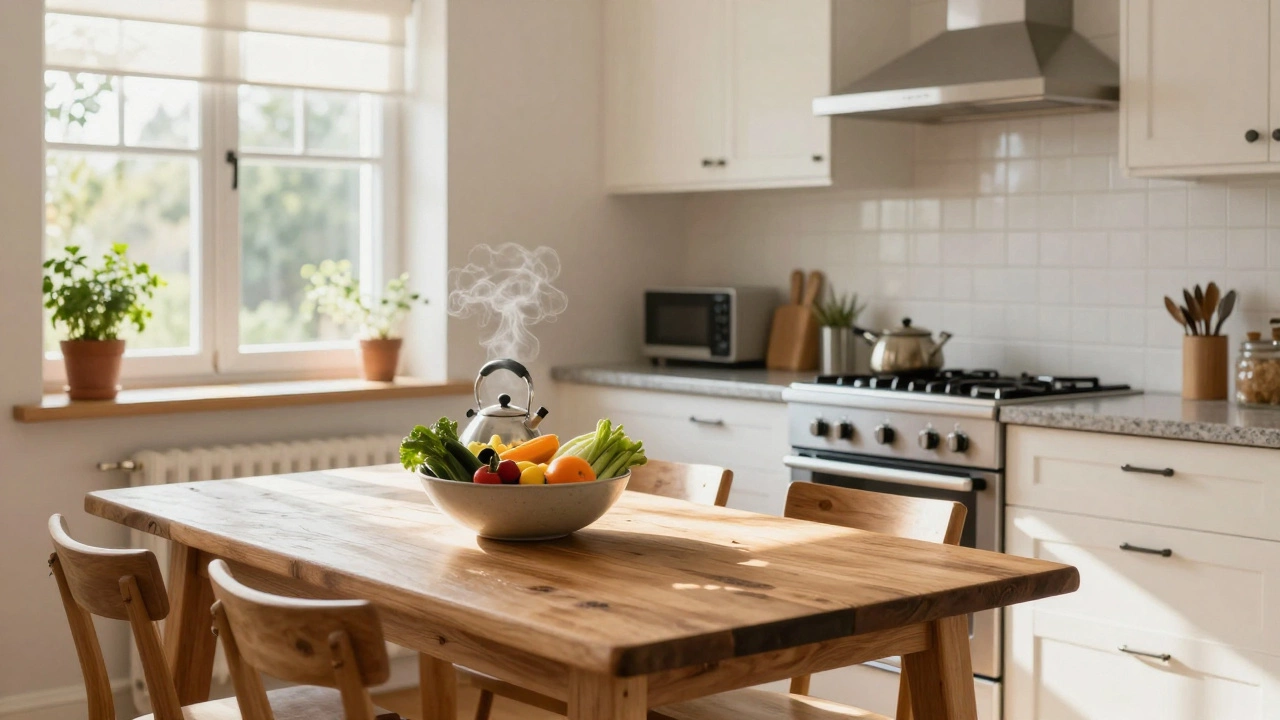
When you book a self-catering cottage, you aren't just renting a room; you're renting a functional home. To be truly "self-catering," a property must provide the tools necessary for survival and comfort without external help. This usually means a kitchen with a stove, oven, refrigerator, and microwave. You'll also typically find a toaster, a kettle, and a set of pots and pans.
But it goes beyond just the kitchen. These residences are designed for longer stays. While a hotel room is for sleeping and showering, a self-catered residence is for living. You'll often find a living room with comfortable seating, a dining area for family meals, and sometimes even a washing machine and tumble dryer. This makes them the gold standard for families or groups who find the confines of multiple hotel rooms claustrophobic.
Consider the difference in a real-world scenario. If you're traveling with three kids, a hotel requires three separate rooms or a cramped suite. In a self-catering cottage, you have a shared lounge where everyone can watch a movie together and a kitchen where you can prep snacks for the kids without paying a $20 "room service fee" for a plate of fruit.
Comparing Self-Catering to Traditional Hotels
Choosing between a hotel and a self-catered residence usually comes down to how much "service" you actually want. Some people love the luxury of having a bed made every morning. Others find the constant presence of staff intrusive. Let's look at how they stack up.
| Feature | Self-Catering Residence | Traditional Hotel |
|---|---|---|
| Meals | DIY (Cook your own) | Provided (Restaurant/Buffet) |
| Privacy | High (Private entrance) | Moderate (Shared hallways) |
| Cleaning | Guest manages or scheduled | Daily housekeeping |
| Space | Full house/apartment | Single or double room |
| Flexibility | High (Own your time) | Structured (Check-in/out times) |
Who Should Choose Self-Catering?
Not every traveler is cut out for the independent life. If the idea of scrubbing a frying pan on your vacation sounds like a nightmare, a hotel is for you. However, certain groups thrive in holiday rentals.
Families and Large Groups: When you have six people, the logistics of hotel breakfasts become a chore. Having a kitchen means you can make a giant pot of pasta or pancakes in the morning, which is both cheaper and more relaxing. It also allows for "down time" where the group can relax in a living room rather than sitting on the edge of a hotel bed.
Foodies and Health-Conscious Travelers: If you have strict dietary requirements-like a severe gluten allergy or a vegan diet-relying on hotel menus can be stressful. In a self-catered residence, you have total control over the ingredients. You can visit a local farmer's market, buy fresh produce, and cook a meal exactly how you like it.
Long-Term Vacationers: If you're staying for two weeks or a month, a hotel room starts to feel like a prison cell. Having a separate bedroom and a living area helps maintain a sense of normalcy. It's the difference between "visiting" a place and "living" in it.
The Logistics: How It Actually Works
Booking and arriving at a self-catered property is slightly different than the standard hotel experience. You won't find a lobby with a bellhop. Instead, you'll likely receive a digital key code or a set of instructions on where to find the key in a lockbox.
Once inside, the first thing most people do is check the "Welcome Pack." In high-quality residences, this often includes a tea bag, a bit of local milk, and a guide to the nearest grocery stores. Since you are responsible for your food, your first mission is usually a trip to the supermarket. This is actually one of the best ways to get a feel for the local culture-wandering through a neighborhood grocery store tells you more about a town than any tourist brochure ever could.
Cleaning is another point of interest. While you aren't expected to deep-clean the carpets, most owners ask that you leave the place "tidy." This usually means emptying the trash, loading the dishwasher, and perhaps stripping the beds. In exchange for this small effort, you get a level of privacy that hotels simply can't match.
Potential Pitfalls to Avoid
While the freedom is great, there are a few traps that can ruin a trip if you aren't prepared. First, don't assume every "kitchen" is a professional one. Some smaller rentals might only have a two-ring hob and a tiny fridge. If you're planning a five-course gourmet dinner, check the listing for specific appliance details.
Second, consider the location. A self-catering cottage in a remote village is romantic until you realize the only shop closes at 4 PM on Tuesdays. Always check the proximity to a supermarket. If you have to drive 20 miles for a carton of eggs, the "convenience" of cooking for yourself vanishes.
Third, read the house rules. Some owners have very specific policies about pets, smoking, or the use of the fireplace. Breaking these rules can lead to a loss of your security deposit, which is a quick way to sour the end of a holiday.

Looking Beyond the Basics: Luxury and Niche Options
Self-catering isn't just about basic cottages. The market has evolved into several high-end niches. For example, luxury real estate rentals allow you to stay in architect-designed villas with private infinity pools and smart-home integration, yet you still have the option to cook your own meals.
Then there are the "eco-cottages," which prioritize sustainability. These might feature solar panels, composting toilets, and gardens that grow their own organic vegetables for guests to pick. It's a way of combining the independence of self-catering with a commitment to the environment.
Whether you're looking for a rustic retreat or a high-tech penthouse, the core philosophy remains: the guest is the master of their own environment. You decide when to wake up, what to eat, and who to let into your space.
Do self-catered residences provide linens and towels?
In the vast majority of cases, yes. Bed sheets, pillowcases, and towels are provided. However, some very rustic or budget-friendly rentals might ask you to bring your own. Always check the "included amenities" section of the booking page to be sure.
Is it actually cheaper than a hotel?
Generally, yes-especially for groups. While the nightly rate for a cottage might be higher than a single hotel room, the cost per person is often lower. Furthermore, the biggest saving comes from food. Avoiding hotel breakfasts and restaurant dinners can save a family hundreds of dollars over a week.
What happens if something breaks in the house?
Since there is no on-site maintenance team, you'll usually contact the property manager or owner via phone or email. Most owners are very responsive because they want a 5-star review. Just be sure to report issues immediately so they can be fixed without affecting your stay.
Are these properties safe for children?
Many self-catering cottages are specifically designed to be family-friendly, offering more space and a private garden. However, because they are homes and not sanitized hotel rooms, you should check for things like steep stairs or open fireplaces. Look for "family-friendly" certifications in the listing.
Can I still get cleaning services in a self-catered home?
Some luxury rentals offer "mid-stay cleans" for an extra fee. This is a great middle-ground for people who want the privacy of a house but the luxury of a hotel. Check with the host to see if they have a local cleaning service they recommend.
Next Steps for Your Trip
If you've decided that a self-catered residence is the right move, your next step is to define your "must-haves." Do you need a dishwasher? A high-speed Wi-Fi connection for remote work? A fence for the dog? Create a checklist before browsing listings so you don't get overwhelmed by the options.
Once you've booked, spend ten minutes mapping out the local area. Find the nearest large supermarket and a small local bakery. Knowing where to get your essentials the moment you arrive makes the transition from "traveler" to "local resident" much smoother.