Find Your Ultimate Luxury Match
How it works: Select the hotel below that matches your vibe, or use the filters to narrow down your search. We'll calculate the estimated cost and highlight why it's a top pick.
Refine Your Search
Why It's The Ultimate Choice
Perfect For:
Pro Tip:
Estimated Nightly Rate
Prices vary by season and availability. Booking well in advance is recommended for these exclusive properties.
There is no single answer to "which is the world's most luxurious hotel?" because luxury isn't a static trophy; it’s a feeling. It’s the silence of a private villa at dusk, the precision of a butler who knows your coffee order before you do, and the sheer audacity of paying for an experience that defies logic. In 2026, the definition of ultimate luxury has shifted from gold-plated faucets to hyper-personalization, privacy, and immersive cultural connection.
If you are looking for the crown jewel of hospitality, you aren’t just booking a room. You are buying into a legacy, a location, or a level of service that money usually can’t buy-except here, it can. The contenders range from historic palaces in Europe to modern architectural marvels in Asia and secluded islands in the Indian Ocean. Each offers a different flavor of opulence.
The Heavyweights: Historic Palaces with Modern Soul
When people argue about the most luxurious hotel, they often start with the institutions that have defined high society for decades. These properties don’t just offer comfort; they offer history wrapped in silk sheets.
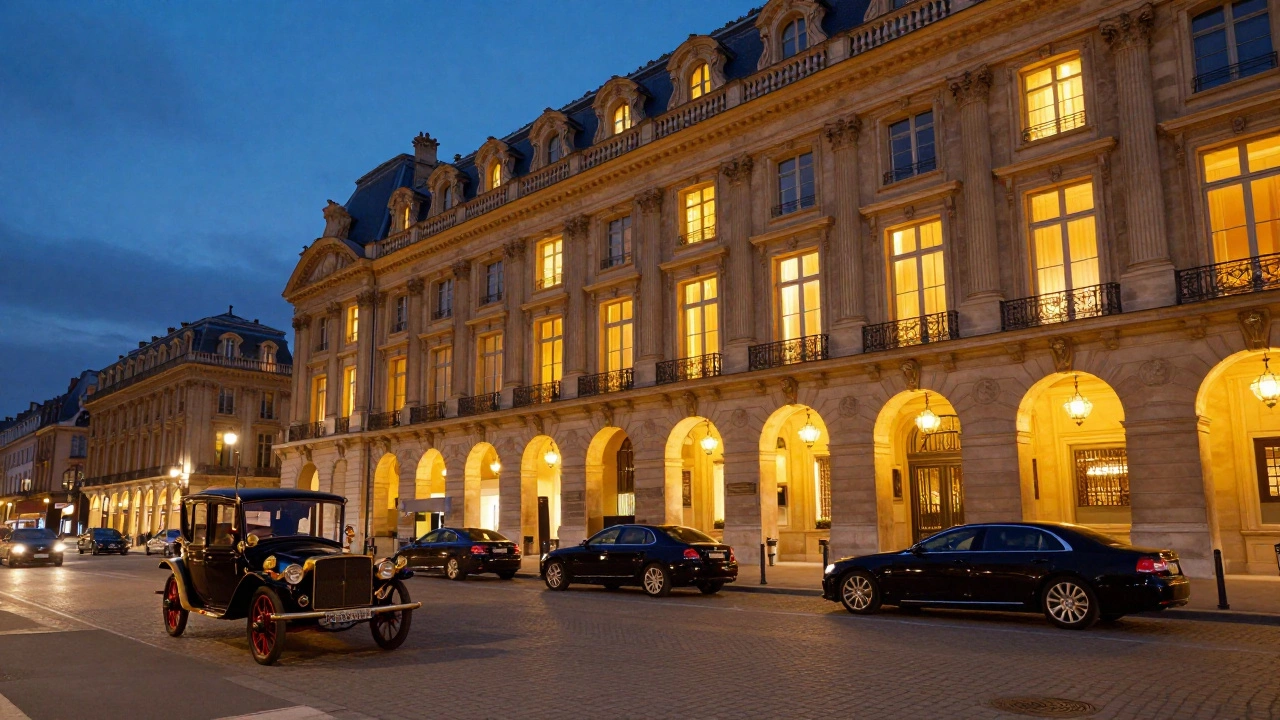
The Ritz Paris is a legendary palace on Place Vendôme that recently completed a massive renovation to blend its Belle Époque grandeur with contemporary comforts. This isn’t just a hotel; it’s a piece of living art. The marble bathrooms, the crystal chandeliers, and the service that feels like being hosted by old friends rather than staff create an atmosphere unmatched in the city of light. If your idea of luxury involves sipping champagne while watching the world go by from a balcony that Coco Chanel once admired, this is your destination.
Across the channel, The Savoy in London remains the heartbeat of British elegance. Its Thames Foyer, restored to its 1920s glory, sets the tone immediately. The Savoy doesn’t shout; it whispers. It’s where you come for the Afternoon Tea at the Thames Foyer and leave having felt the weight of centuries of sophistication. The service here is intuitive, almost telepathic, which is the hallmark of true luxury.
Modern Marvels: Architecture as Luxury
For travelers who prefer cutting-edge design over velvet drapes, the concept of luxury shifts to innovation and exclusivity. These hotels are destinations in themselves, often located in places that were previously inaccessible or undeveloped.
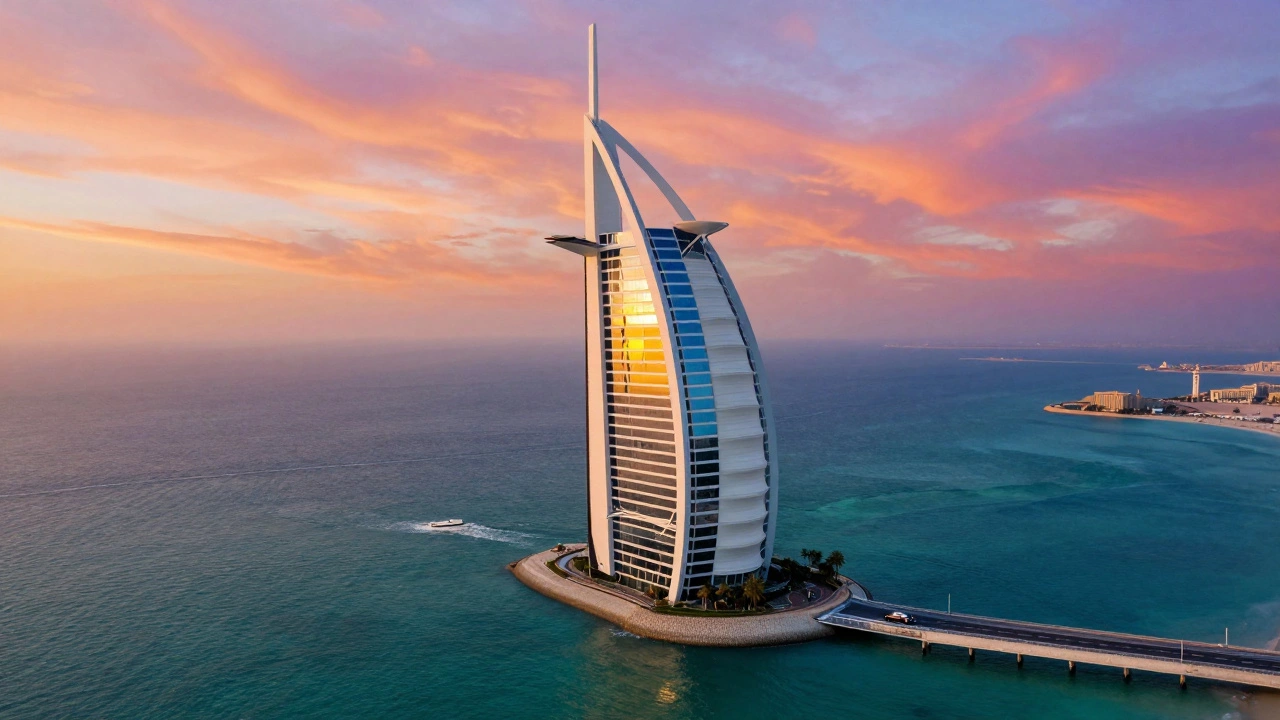
In Dubai, Burj Al Arab Jumeirah is the iconic sail-shaped hotel that stands alone on an artificial island, symbolizing the peak of modern opulence. While some call it kitsch, others see it as the ultimate statement of excess. With its double-height atrium, gold-leaf interiors, and fleet of Rolls-Royces, it delivers on the promise of spectacle. But the real luxury here is the attention to detail: every suite is a duplex penthouse with panoramic views of the Arabian Gulf.
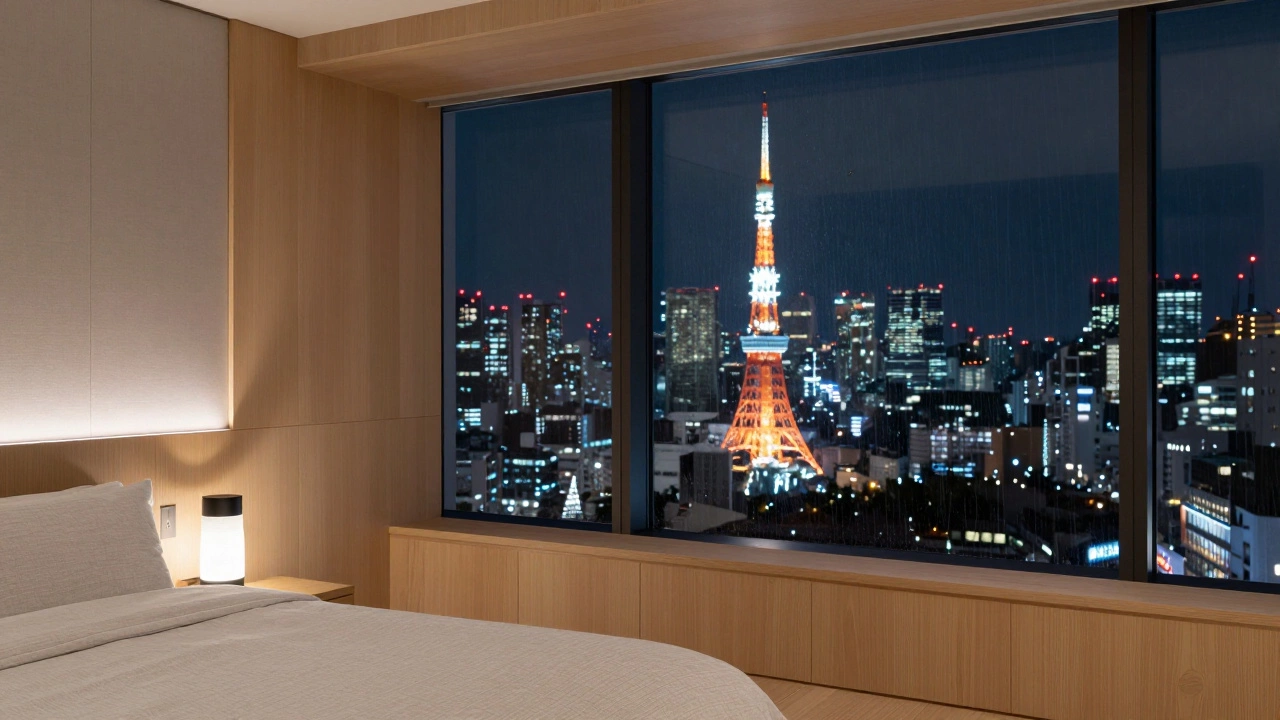
Meanwhile, in Singapore, Sanderson Singapore (part of the Sanderson Group) and nearby Marina Bay Sands offer a different kind of urban luxury. However, the true standout for modern minimalism and tech-integrated luxury is often found in Japan. Aman Tokyo is a serene sanctuary in the sky, offering minimalist Japanese design and unparalleled tranquility amidst the bustling Metropolis Tower. Here, luxury is quiet. It’s the sound of rain against the glass, the texture of linen, and the space between objects. It proves that less can indeed be more when executed with such precision.
Secluded Sanctuaries: Privacy as the Ultimate Perk
In an age of constant connectivity, the rarest commodity is disconnection. The most luxurious hotels today are those that remove you from the grid entirely.
In the Maldives, Soneva Jani is a collection of multi-level villas built over water, featuring retractable roofs for stargazing and private pools. This isn’t just a vacation; it’s a lifestyle reset. The service is barefoot luxury-effortless, unpretentious, yet incredibly attentive. You can order dinner via a trolley delivered by boat, or simply float in your pool under the stars. The emphasis on sustainability adds another layer of depth, making you feel good about your indulgence.
Similarly, in Bhutan, Jumolhari Tashiphug is an ultra-exclusive retreat located in a remote valley, accessible only by helicopter, offering a glimpse into ancient Himalayan culture. With only a handful of suites, it guarantees absolute privacy. The luxury here is spiritual and physical-a chance to breathe thin, clean air and engage with a culture that values happiness over GDP.
Comparing the Titans of Luxury
To help you decide which type of luxury resonates with you, let’s break down the key attributes of these top contenders.
| Hotel Name | Location | Luxury Style | Key Feature | Best For |
|---|---|---|---|---|
| The Ritz Paris | Paris, France | Historic Glamour | Place Vendôme Location | Romance & Culture |
| Burj Al Arab | Dubai, UAE | Modern Opulence | Iconic Architecture | Spectacle & Status |
| Soneva Jani | Maldives | Barefoot Eco-Luxury | Water Villas with Slides | Relaxation & Privacy |
| Aman Tokyo | Tokyo, Japan | Minimalist Zen | Tranquility in Sky | Mindfulness & Design |
| Jumolhari Tashiphug | Bhutan | Cultural Immersion | Helicopter Access Only | Adventure & Spirituality |
What Defines "Most Luxurious" in 2026?
The metrics for luxury have evolved. It’s no longer just about thread count or gold taps. Today, the most luxurious hotels excel in three areas:
- Hyper-Personalization: Your preferences are known before you arrive. From pillow menus to dietary restrictions, nothing is forgotten.
- Wellness Integration: Luxury now includes mental and physical well-being. Think sleep science, personalized nutrition, and holistic spa treatments.
- Sustainability: True luxury is responsible. Guests increasingly value hotels that minimize their environmental footprint without compromising comfort.
For instance, One&Only Reethi Rah in the Maldives combines all three. They source food locally, use solar power, and offer bespoke wellness journeys. This holistic approach makes it a contender for the title of the world’s most luxurious hotel for the modern traveler.
Finding Your Perfect Match
Choosing the "most luxurious" hotel depends entirely on what you value. If you crave history and drama, head to Paris or London. If you want to disappear into nature, choose the Maldives or Bhutan. If you desire architectural awe, Dubai or Tokyo might be your pick.
Remember, the best luxury hotel is the one that makes you feel seen, safe, and slightly spoiled. It’s not about the price tag; it’s about the memory you take home. So, ask yourself: What does luxury mean to you? Once you know that, the choice becomes clear.
Is there officially one "world's most luxurious hotel"?
No, there is no single official title. Different organizations like Forbes Travel Guide, Condé Nast Traveller, and TripAdvisor award various hotels based on specific criteria such as service, amenities, and guest reviews. The "best" is subjective and depends on personal preference for style, location, and experience.
How much does it cost to stay at the world's most luxurious hotels?
Prices vary widely. A night at The Ritz Paris can start around €1,500, while suites at Burj Al Arab or Soneva Jani can exceed $10,000 per night. Exclusive retreats like Jumolhari Tashiphug may charge over $20,000 per person per night, including flights and activities.
What makes a hotel "ultra-luxury" versus just "five-star"?
Five-star refers to a standard of amenities and services. Ultra-luxury goes beyond standards to offer exceptional personalization, unique experiences, privacy, and often a sense of exclusivity or heritage that cannot be replicated. It’s about the emotional impact and attention to detail that anticipates your needs before you express them.
Are these hotels family-friendly?
Many ultra-luxury hotels cater well to families. Soneva Jani and One&Only Reethi Rah are particularly known for their excellent kids' clubs and family suites. However, some, like Aman Tokyo or The Savoy, may be quieter and more suited for couples or solo travelers seeking peace.
Can I book these hotels last minute?
It is highly unlikely. The most luxurious hotels, especially in peak seasons, book up months or even years in advance. For properties like Jumolhari Tashiphug or Soneva Jani, early planning is essential due to limited availability and high demand.