Tiny House vs. Traditional Home Cost & Lifestyle Calculator
Your Housing Scenario
Enter your estimated monthly figures below to see the reality check.
The Verdict
Lifestyle Impact Analysis
- ⚠ Enter data to analyze drawbacks.
It starts with the dream. You picture yourself waking up to sunlight streaming through floor-to-ceiling windows, drinking coffee on a wrap-around deck, and paying off your mortgage in three years instead of thirty. The internet is flooded with glossy photos of Tiny Houses, which are compact dwellings typically under 400 square feet that prioritize minimalism and sustainability. They look cozy, efficient, and incredibly freeing. But before you sell your car and downsize your life, you need to look at the unvarnished truth. The reality of living in a space smaller than most master bathrooms comes with significant hurdles that influencers rarely mention.
I’ve spent years analyzing housing trends here in Dublin, where space is already at a premium, and talking to people who have actually made the leap. While the concept of Eco-Friendly Cottages aligns perfectly with sustainable living goals, the execution often clashes with daily human needs. If you are considering this lifestyle change, you need to weigh these specific drawbacks carefully.
The Physical Toll of Extreme Downsizing
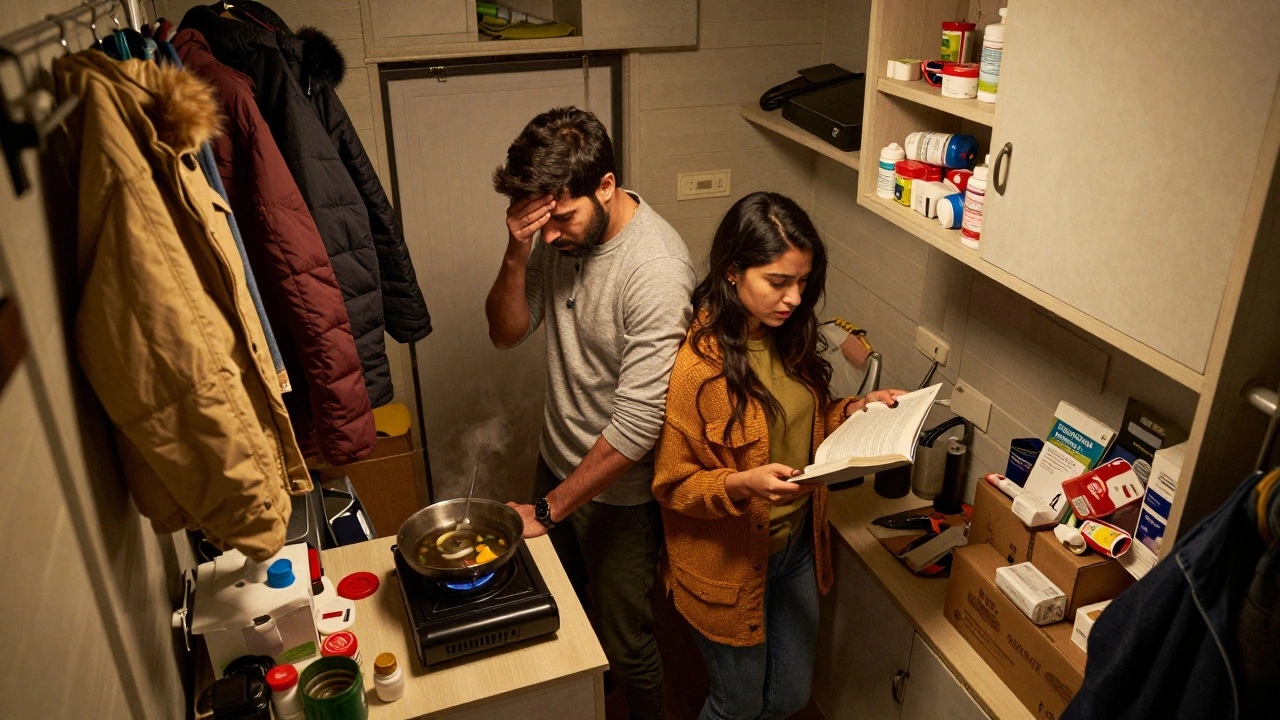
The most immediate shock for new tiny house owners isn't the lack of furniture; it's the physical constraint on movement. In a standard home, you can spread out. In a tiny house, every square inch is accounted for. This leads to what I call "spatial fatigue." You are constantly aware of your body’s position relative to walls, cabinets, and other people. Simple tasks like cooking dinner while someone else tries to read a book become logistical puzzles.
Storage is the silent killer of tiny house dreams. You might think you can live with less, but life generates stuff. Winter coats, holiday decorations, medical supplies, and even groceries take up more room than you anticipate. Many residents find themselves renting storage units nearby, which ironically adds back into the cost savings they were trying to achieve. When you don't have a spare bedroom or a basement, everything must be visible or accessible within arm's reach. This constant visibility creates a low-level background stress that many people underestimate.
Relationship Strain and Lack of Privacy
If you live alone, privacy is manageable. If you share a tiny house with a partner, children, or pets, the dynamic changes drastically. There is no such thing as "getting some space" when your entire world is 300 square feet. Arguments happen in normal-sized houses too, but in a tiny house, there is no hallway to walk away to, no second bathroom to lock the door in, and no separate room to retreat to. This proximity can accelerate relationship conflicts rather than resolve them.
Hosting guests becomes a major source of anxiety. You can’t just invite friends over for a casual dinner if your kitchen table seats two and your couch folds out into a bed. Most tiny house owners report feeling pressured to keep their homes immaculate at all times because clutter is immediately obvious. This performative tidiness turns your home from a sanctuary into a showroom, which defeats the purpose of relaxing after work.
Financial Realities Beyond the Mortgage
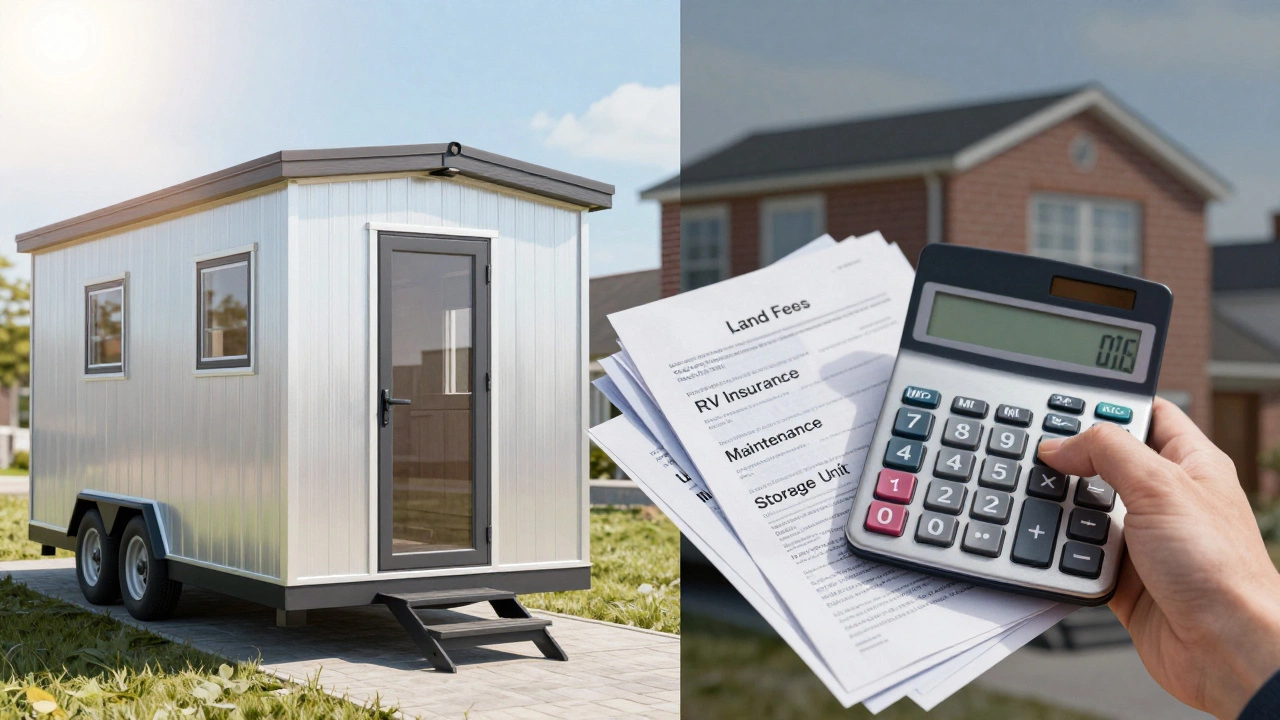
One of the biggest myths about tiny houses is that they are cheap. While the construction cost might be lower than a traditional home, the hidden expenses add up quickly. Land is still expensive. Unless you park your tiny house on family land, you need to buy a plot or pay for a spot in an RV park or tiny house community. These monthly fees can range from $500 to $1,500 depending on location, eroding the financial advantage.
Insurance and financing are also complicated. Because many tiny houses on wheels (THOWs) are classified as recreational vehicles rather than real estate, getting a mortgage is difficult. You may need to use a personal loan or an RV loan, which often come with higher interest rates and shorter terms. Insurance policies are also niche and can be pricey because standard homeowner’s insurance doesn't always cover mobile structures. Additionally, maintenance costs per square foot can be higher because specialized compact appliances break down more frequently and are harder to replace.
Zoning Laws and Legal Nightmares
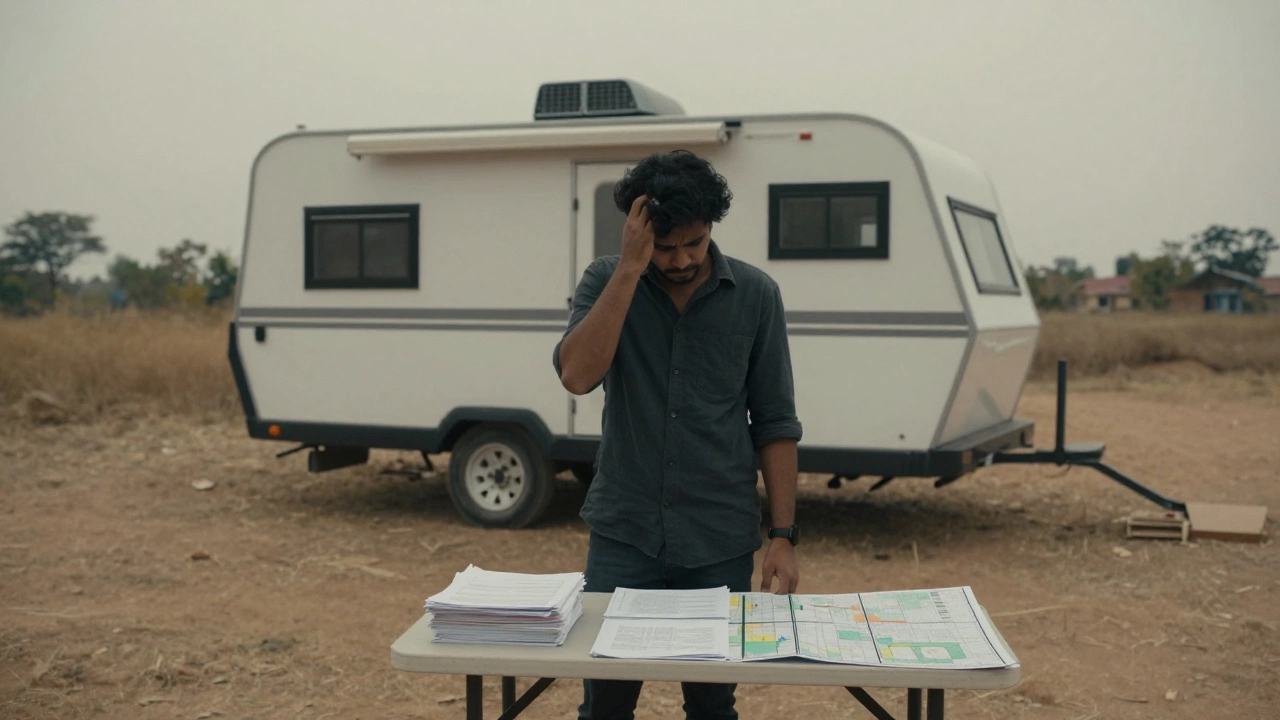
This is perhaps the biggest hurdle. Just because you can build a tiny house doesn't mean you can legally live in it. Zoning laws vary wildly by city and country. In many places, minimum dwelling sizes are set at 600 or even 1,200 square feet. Parking a tiny house on a private lot often violates local codes regarding permanent foundations, sewage connections, and fire safety standards.
Many tiny house enthusiasts end up in legal limbo, facing fines or orders to move their homes. Navigating these regulations requires time, money, and sometimes political lobbying. If you’re looking for stability, the uncertainty of whether your home will be deemed illegal next year is a heavy burden. It’s crucial to research local ordinances thoroughly before breaking ground. For those interested in exploring alternative living arrangements that navigate these complexities, resources like this directory offer insights into how different regions handle unique property and service classifications, though the principles of local regulation remain key everywhere.
The Climate Control Challenge
Tiny houses are notoriously difficult to heat and cool efficiently. While proponents argue that less space means less energy usage, the reality is often different. Poor insulation, large windows for aesthetic appeal, and metal frames conduct temperature rapidly. In summer, a tiny house can turn into an oven by noon. In winter, without proper heating systems, it can freeze overnight. Traditional HVAC systems are often too large or complex to install, leaving residents reliant on portable heaters or air conditioners that struggle to maintain comfort.
This issue is particularly pronounced in extreme climates. If you live in a region with harsh winters or scorching summers, the energy bills to keep your tiny house habitable can surprise you. Plus, the noise from running multiple small climate control units can disrupt sleep and relaxation. Proper ventilation is also a challenge, leading to moisture buildup and mold issues if not managed meticulously.
Resale Value and Market Limitations
Real estate is supposed to be a long-term investment. However, the market for tiny houses is still niche and volatile. Unlike traditional homes, which appreciate steadily over time, tiny houses often depreciate, especially if they are on wheels. Finding a buyer can be difficult because the pool of interested parties is small. You’re not just selling a house; you’re selling a lifestyle that not everyone wants.
Additionally, banks are hesitant to finance tiny house purchases, which limits your potential buyers to cash-only investors. This illiquidity means you could be stuck with your asset for years if you need to move for work or personal reasons. The lack of standardized appraisal methods also makes it hard to determine fair market value, leading to unpredictable resale outcomes.
Infrastructure and Utility Compromises
Living off-grid sounds romantic until you realize what it entails. Connecting to municipal water, sewer, and electricity is often prohibited for tiny houses. This means you need to install septic tanks, greywater systems, solar panels, and battery banks. These systems require regular maintenance and monitoring. A clogged composting toilet or a dead battery bank during a storm can quickly turn your idyllic retreat into a crisis zone.
Even if you hook up to city utilities, the connections may not be designed for modern usage patterns. High-speed internet, essential for remote work, can be spotty in rural areas where tiny houses are often located. Water pressure might be weak, and hot water supply limited. These compromises affect daily convenience and productivity, making it harder to maintain a professional work-life balance.
| Factor | Tiny House | Traditional Home |
|---|---|---|
| Initial Cost | Lower construction, high land/park fees | Higher mortgage, predictable taxes |
| Privacy | Minimal, shared spaces | High, dedicated rooms |
| Legal Stability | Uncertain, zoning risks | Stable, regulated |
| Resale Market | Niche, depreciates | Broad, appreciates |
| Maintenance | Specialized, frequent checks | Standard, routine |
Is It Worth It?
Living in a tiny house isn't inherently bad. For some, the freedom from debt and the connection to nature outweigh the inconveniences. But it requires a specific personality type: one that values mobility over stability, minimalism over comfort, and adventure over routine. If you love hosting family, working from home, or simply having a quiet corner to decompress, a tiny house might feel more like a prison cell than a sanctuary.
Before making the jump, try renting a tiny house or staying in an eco-friendly cottage for a month. Live the life before you buy into it. Ask yourself if you can handle the lack of space, the legal uncertainties, and the maintenance demands. The dream is beautiful, but the details matter.
Are tiny houses legal everywhere?
No, tiny house legality varies significantly by location. Many municipalities have minimum size requirements for permanent dwellings. Always check local zoning laws and building codes before purchasing or building a tiny house.
Do tiny houses save money in the long run?
Not necessarily. While utility bills may be lower, costs for land, parking, specialized insurance, and maintenance can offset savings. Renting storage units or RV park spots adds recurring expenses that reduce financial benefits.
Can I get a mortgage for a tiny house?
It depends. Tiny houses on foundations may qualify for traditional mortgages if they meet local code requirements. Those on wheels are often financed as RVs or personal property, which usually involves higher interest rates and shorter terms.
How do tiny houses handle extreme weather?
Tiny houses can struggle with temperature regulation due to thin walls and large windows. Proper insulation and efficient HVAC systems are critical but costly. Off-grid solutions like solar power may fail during prolonged bad weather.
What are the best alternatives to tiny houses?
Consider eco-friendly cottages, accessory dwelling units (ADUs), or downsizing to a small apartment. These options often provide better legal standing, infrastructure access, and resale value while still promoting sustainable living.