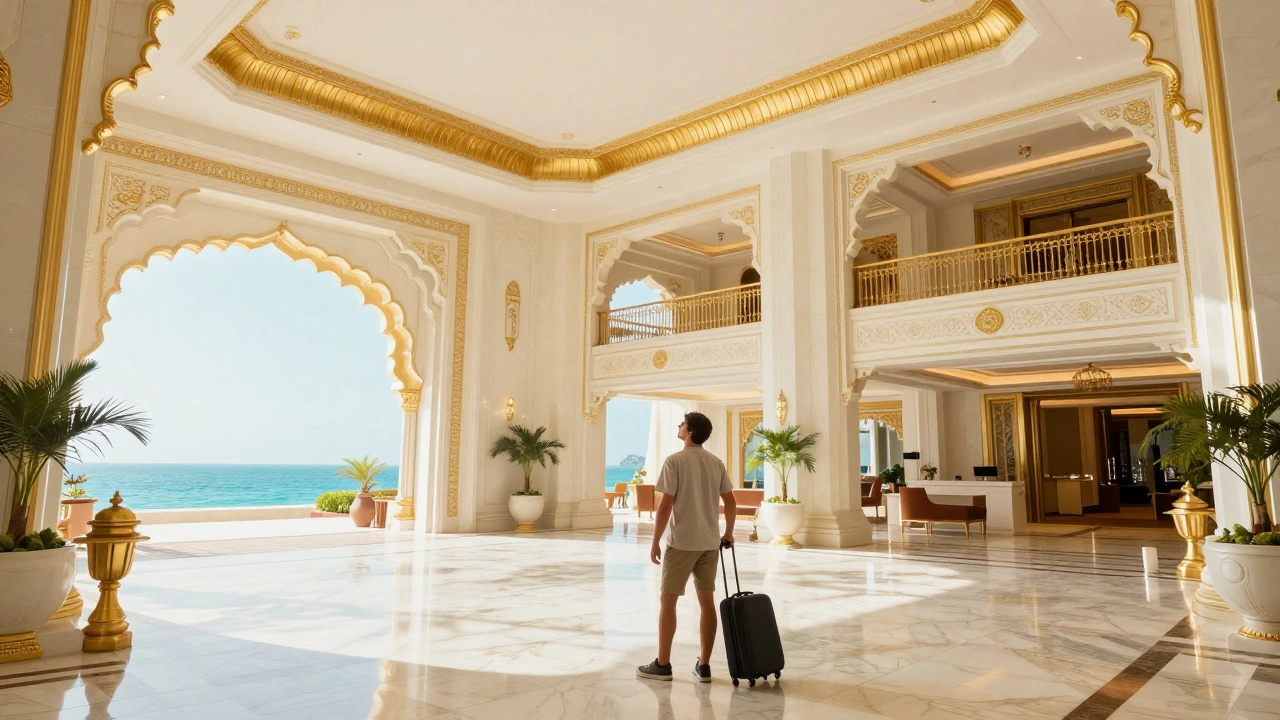
Vacation Value Estimator: All-Inclusive vs. Independent
Your Travel Profile
Estimated Verdict
Your choices will determine if the "Resort Bubble" is a dream or a golden cage.
Key Takeaways
- Food quality often drops in favor of quantity and mass production.
- The "resort bubble" limits your exposure to local culture and authentic experiences.
- Hidden costs for "premium" upgrades can blow your budget.
- Lack of flexibility in scheduling and dining choices can lead to burnout.
- Environmental impact is typically higher due to massive waste and buffet styles.
The Buffet Trap and Food Quality
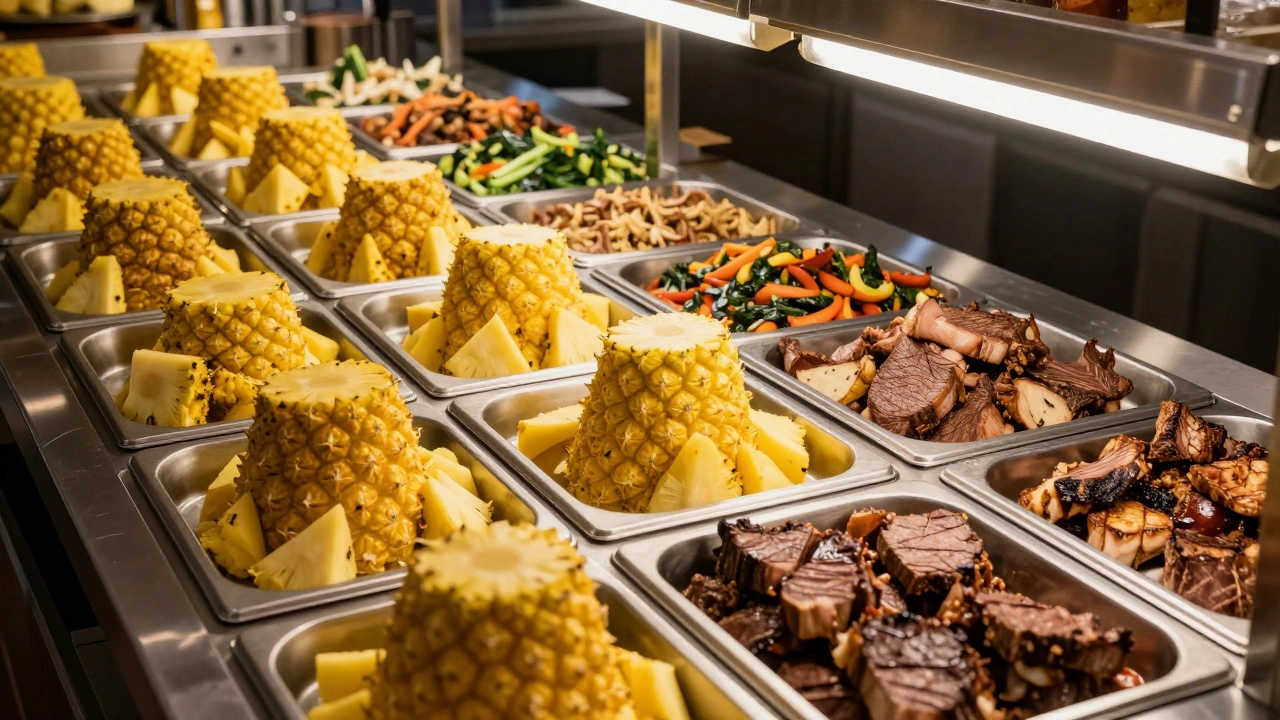
One of the biggest hits to any all-inclusive trip is the food. To keep costs low and margins high, resorts rely on Buffet Dining. Because they are feeding thousands of people three times a day, the food is often cooked in massive vats. This means the steak is frequently overdone, the vegetables are mushy, and the "fresh" fruit is often just a mountain of canned pineapple.
Have you ever noticed how the food tastes the same every day? When you're locked into a resort, you lose the joy of culinary discovery. Instead of eating at a family-run bistro in a nearby village, you're eating a lukewarm omelet at 9:00 AM in a crowded hall. While some high-end resorts offer à la carte options, these often require reservations days in advance, removing the spontaneity from your vacation. You end up eating based on a schedule, not based on when you're actually hungry.
The "Resort Bubble" and Cultural Isolation
The most significant invisible cost of an all-inclusive stay is the loss of cultural immersion. These hotels are designed as Integrated Resorts, meaning they want you to stay inside the gates. From the swim-up bars to the organized "beach Olympics,' the goal is to keep you from leaving.
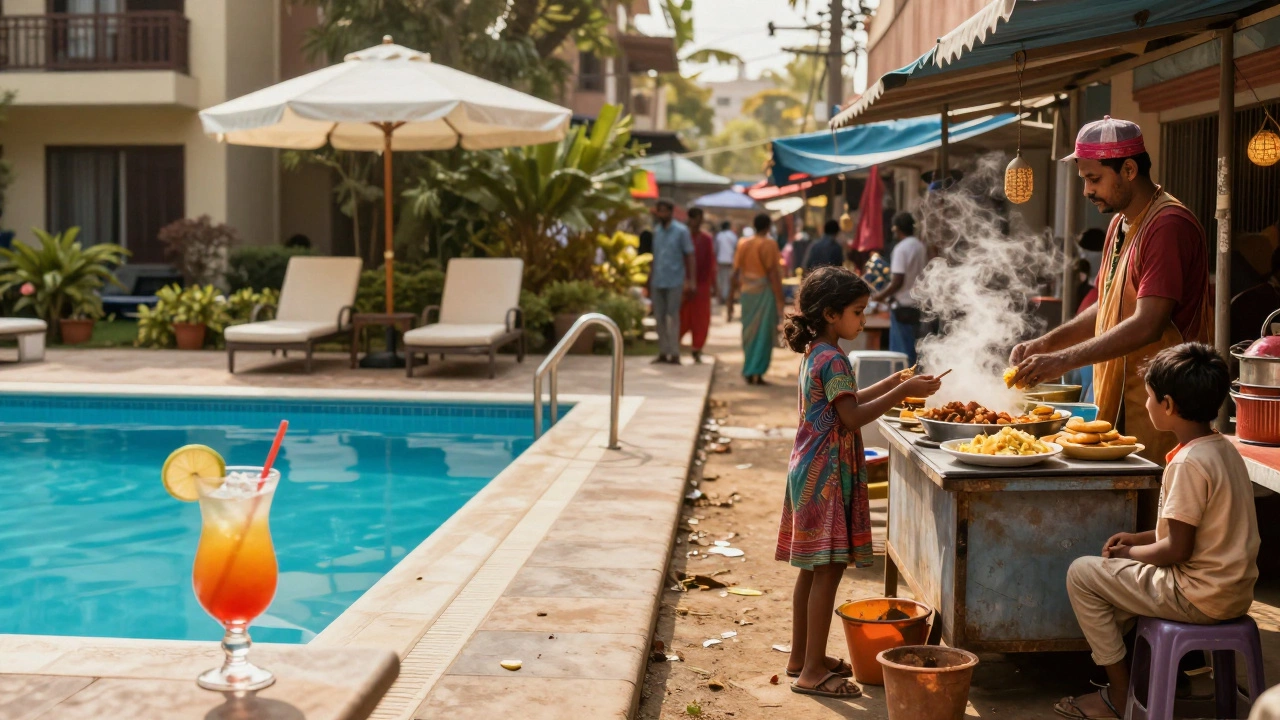
When you don't leave the property, you aren't visiting a country; you're visiting a corporate entity that happens to be located in that country. You miss out on the real sounds of the city, the grit of the local markets, and the genuine interactions with residents. This creates a sanitized version of travel where the local staff are seen only as service providers, and the landscape is merely a backdrop for your poolside cocktail. If your goal is to actually learn about a place, a gated resort is the worst way to do it.
The Illusion of "Everything Included"
The marketing says "all-inclusive," but the fine print tells a different story. Many resorts use a tiered system to squeeze more money out of you. You'll find that the standard spirits are bottom-shelf, and if you want a decent glass of wine or a brand-name gin, you have to pay for a Premium Package.
Then there are the a la carte restaurants. Some are included, but the best ones-the ones with the actual quality food-often carry a surcharge. Even the spa treatments, which are heavily advertised in your room, are almost never included in the base price. By the time you add in the airport transfers, the high-speed Wi-Fi (which is sometimes an extra charge), and the "premium" cocktails, that fixed budget you loved so much starts to leak. It's a psychological trick: once you've spent thousands on the room, spending another $50 on a bottle of decent champagne feels trivial, even if you could have bought it for $15 at a local shop.
| Feature | All-Inclusive Resort | Independent (A la Carte) |
|---|---|---|
| Budget Predictability | High (Upfront cost) | Variable (Pay as you go) |
| Food Quality | Consistent but mediocre | High variety and authenticity |
| Local Interaction | Minimal (Staff only) | High (Local businesses) |
| Flexibility | Low (Set times/locations) | High (Total freedom) |
| Environmental Impact | High waste/Carbon footprint | Lower (Support local eco-systems) |
The Psychology of Overconsumption
There is a strange pressure to "get your money's worth" when you pay for an all-inclusive trip. This leads to a cycle of overeating and overdrinking simply because it's available. Instead of eating when you're hungry, you eat because it's 1:00 PM and the buffet is open. Instead of having one drink to relax, you have five because they're free.
This often results in a "vacation hangover"-both literally and figuratively. Guests frequently report feeling sluggish and bloated by the end of their trip. The abundance of low-quality, high-calorie food and sugary drinks creates a loop of consumption that can actually make you feel less rested than if you had just stayed home. When the cost of the meal is zero, the value of the food disappears, and you start treating dining as a chore to be maximized rather than an experience to be enjoyed.
Environmental and Ethical Concerns
From a sustainability perspective, the all-inclusive model is often a disaster. The sheer volume of food waste produced by daily buffets is staggering. Because the hotel doesn't lose money on individual plates, there is very little incentive to minimize waste. Tons of perfectly good food are thrown away every night to make room for a fresh batch the next morning.
Furthermore, the economic impact on the local community is often negative. This is known as "leakage." In a traditional hotel stay, you spend money at local taxis, family-owned restaurants, and neighborhood shops. In an all-inclusive setup, the vast majority of your money goes to the international hotel chain. The local economy only sees the low wages paid to the resort staff, while the profit flows back to a corporate headquarters in another country. By staying inside the bubble, you're inadvertently starving the very local businesses that make the destination unique.
Who Should Avoid These Resorts?
If you are a "foodie" who lives for a great meal, avoid these places. If you are a curious traveler who wants to understand the history and culture of a region, you will find them boring. Even for families, the structured environment can sometimes be too rigid. While the Kids Club is a great way for parents to get a break, it replaces the organic experience of children interacting with a new environment.
However, it's not all bad. If you are truly burnt out and your only goal is to move from a bed to a lounge chair without making a single decision for seven days, the lack of choice is actually a feature, not a bug. But for anyone else, the trade-off of autonomy for convenience is usually too steep a price to pay.
Are all-inclusive hotels more expensive in the long run?
Not necessarily in terms of raw cash, but often in terms of value. You pay a premium for the convenience of predictability. If you are a light eater or don't drink much alcohol, you are essentially subsidizing the guests who eat and drink excessively. For a moderate traveler, booking a standard hotel and eating locally is often cheaper and provides higher quality experiences.
How can I avoid the 'resort bubble' if I've already booked one?
The best way is to set a "departure quota." Challenge yourself to leave the resort for at least one meal a day or take a half-day trip into the nearest town. Use local transport instead of the hotel shuttle, and seek out eateries that don't have English menus. This breaks the corporate loop and allows you to support the local economy.
Is the food always bad at all-inclusive resorts?
Not always, but the average quality is lower. Ultra-luxury resorts often have world-class chefs and fresh, locally sourced ingredients. However, the mid-range all-inclusives typically rely on mass-production techniques. The key is to look for reviews that specifically mention the quality of the à la carte restaurants versus the buffet.
What are the most common hidden fees?
Keep an eye out for: premium alcohol upgrades, motorized water sports (like jet skis), specialty dining surcharges, spa treatments, and high-speed internet. Some resorts also add a "resort fee" or a mandatory gratuity charge upon checkout that wasn't clear in the initial booking price.
Do all-inclusive hotels hurt local businesses?
Yes, through a process called economic leakage. Because the resort provides everything-food, drinks, entertainment-guests have little reason to spend money in the surrounding community. This diverts revenue away from local farmers, artisans, and restaurateurs, concentrating the wealth within the hotel corporation.
Next Steps for Your Next Trip
If you're feeling the itch to travel but are wary of the all-inclusive trap, try a "hybrid approach." Book a high-quality boutique hotel or a bed-and-breakfast. This gives you a comfortable home base but leaves your dining and exploration open. You can still budget for your meals by setting a daily limit, giving you the financial predictability of an all-inclusive without the loss of flavor and culture.
For those who still want the resort experience, do a deep dive into the hotel's specific "inclusion list." If you see a long list of "excluded" items, it's a sign that the hotel is designed to upsell you. Look for properties that partner with local tours and encourage guests to explore the surrounding area, as these are more likely to offer a balanced experience.