Leave No Trace Scenario Quiz
Test your knowledge with these realistic camping scenarios. Choose the most responsible action for each situation.
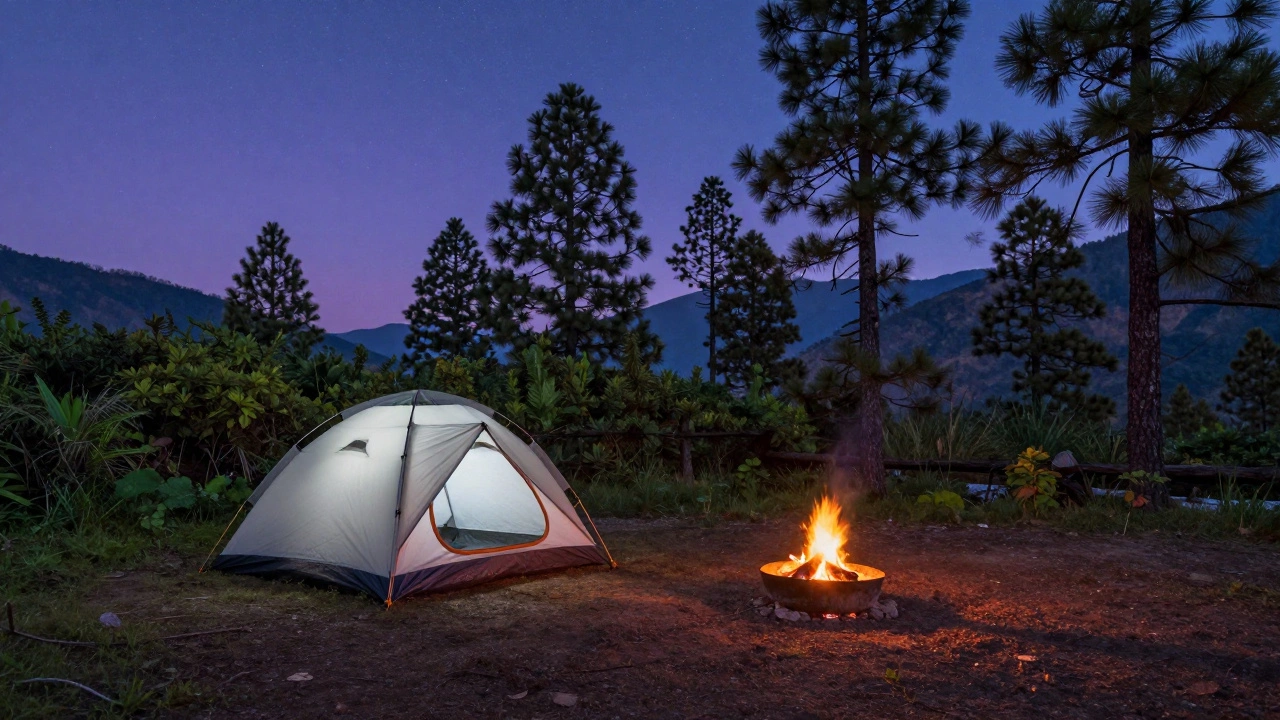
You pitch your tent under a canopy of stars, brew coffee over a crackling fire, and breathe in the crisp morning air. It’s the perfect escape from city noise and screen glare. But when you pack up to leave, do you want the next camper to find exactly what you found? That is the heart of the golden rule of camping. It isn’t about fancy gear or finding the most secluded spot on the map. It is about responsibility.
The golden rule of camping is simple: Leave No Trace. This means leaving the campsite cleaner than you found it, respecting wildlife, and ensuring your presence doesn’t disrupt the natural balance. For those who prefer the comfort of an eco-friendly cottage that offers a sustainable alternative to traditional camping while minimizing environmental impact, this principle still applies. Whether you are sleeping in a tent or a solar-powered cabin, the goal remains the same-protecting the outdoors for future generations.
Why the Golden Rule Matters More Than Ever
Camping has exploded in popularity. Parks are crowded, trails are worn down, and waste management systems in remote areas are often overwhelmed. When thousands of visitors arrive every weekend, even small mistakes add up. A single candy wrapper might seem harmless, but multiply that by fifty campers, and you have a litter problem. The golden rule exists to prevent this degradation.
It also protects wildlife. Animals are curious. If you leave food scraps or scented toiletries behind, bears, raccoons, and deer will investigate. Once they associate humans with food, they become dangerous. They may raid campsites, damage property, or worse, get injured or killed because they can no longer survive in the wild without human handouts. By following the golden rule, you keep both yourself and the animals safe.
Furthermore, preserving the aesthetic beauty of nature is crucial. Scorch marks on the ground, dead trees used for firewood, and trampled vegetation ruin the landscape. These scars last for years. Adhering to strict camping ethics ensures that the wilderness remains pristine, offering the same sense of wonder to newcomers as it did to pioneers decades ago.
The Seven Principles of Leave No Trace
The Leave No Trace Center for Outdoor Ethics outlines seven core principles. These aren't just suggestions; they are the blueprint for responsible outdoor recreation. Let's break them down into actionable steps.
- Plan Ahead and Prepare: Research your destination. Know the regulations regarding fires, permits, and group sizes. Proper preparation reduces the need for improvisation, which often leads to environmental damage. Check weather forecasts and pack appropriate gear so you don't end up cutting down live trees for shelter or warmth.
- Travel and Camp on Durable Surfaces: Stick to established trails and campsites. Walking off-trail damages fragile plants and soil structures. In pristine areas, spread out use to avoid creating new paths. Camp at least 200 feet away from lakes and streams to protect water quality and wildlife habitat.
- Dispose of Waste Properly: Pack out everything you bring in, including toilet paper and hygiene products. Use established toilets where available. If you must dig a cathole, make it 6-8 inches deep and at least 200 feet from water sources. Never bury plastic or aluminum foil-they don't decompose.
- Leave What You Find: Resist the urge to take souvenirs like rocks, shells, or flowers. These items are part of the ecosystem. Building rock cairns or digging trenches around campsites alters the natural landscape. Appreciate the past by leaving historical artifacts undisturbed.
- Minimize Campfire Impacts: Fires can scar the earth and start wildfires. Use a lightweight stove for cooking instead. If fires are permitted, use existing fire rings and keep flames small. Burn only dead and downed wood. Ensure the fire is completely extinguished-cold to the touch-before you leave.
- Respect Wildlife: Observe animals from a distance. Never feed them, as it alters their natural behavior and diet. Store food securely in bear-proof containers or hang it from trees if required. Protect wildlife by keeping pets leashed and cleaning up after them.
- Be Considerate of Other Visitors: Keep noise levels low. Yield to other hikers on the trail. Respect others' need for solitude and immersion in nature. Your fun shouldn't come at the expense of someone else's peace.

Eco-Friendly Cottages: A Sustainable Alternative
Not everyone wants to sleep on the hard ground or worry about bears stealing their marshmallows. This is where sustainable accommodation that provides comfortable lodging with minimal ecological footprint through renewable energy and local materials comes into play. Eco-friendly cottages allow you to enjoy the tranquility of nature without the rigorous demands of backcountry camping.
These structures are designed with the environment in mind. They often feature solar panels, rainwater harvesting systems, and composting toilets. Built from locally sourced timber or reclaimed materials, they blend seamlessly into the landscape rather than dominating it. Staying in such a cottage supports local economies and reduces the pressure on public campgrounds.
| Feature | Traditional Tent Camping | Eco-Friendly Cottage |
|---|---|---|
| Environmental Impact | Low if managed perfectly; high risk of accidental damage | Minimal due to controlled infrastructure and sustainable design |
| Comfort Level | Basic; exposed to elements | High; insulated, heated, and furnished |
| Waste Management | User responsible for packing out all waste | Managed by hosts using composting or recycling systems |
| Wildlife Interaction | Direct and unfiltered; requires caution | Observational; safer barriers between humans and animals |
| Cost | Low (gear purchase + park fees) | Moderate to High (nightly rental rates) |
If you choose a cottage, you still follow the golden rule. Don't flush non-biodegradable items. Turn off lights when not in use. Respect the quiet hours. The mindset of stewardship transfers directly from the tent site to the porch.
Common Mistakes Campers Make
Even experienced outdoorspeople slip up. Here are some frequent errors that violate the golden rule:
- Using Biodegradable Soap Near Water: While "biodegradable" sounds safe, soap still introduces chemicals and nutrients into waterways, promoting algae growth. Always wash dishes and bodies 200 feet away from streams.
- Burning Trash: Burning food wrappers or cans leaves toxic residues and visible ash piles. Everything goes in your pack out bag.
- Chopping Live Trees: Cutting green branches for firewood kills the tree and creates debris. Only use wood that is already dead and falls easily.
- Playing Loud Music: Sound travels far in open spaces. Headphones are your friend. Silence allows others to hear birdsong and wind, enhancing their experience.
- Ignoring Fire Bans: During dry seasons, sparks can cause catastrophic wildfires. Always check local fire restrictions before striking a match.
Practical Tips for New Campers
Starting out? Here’s how to apply the golden rule from day one:
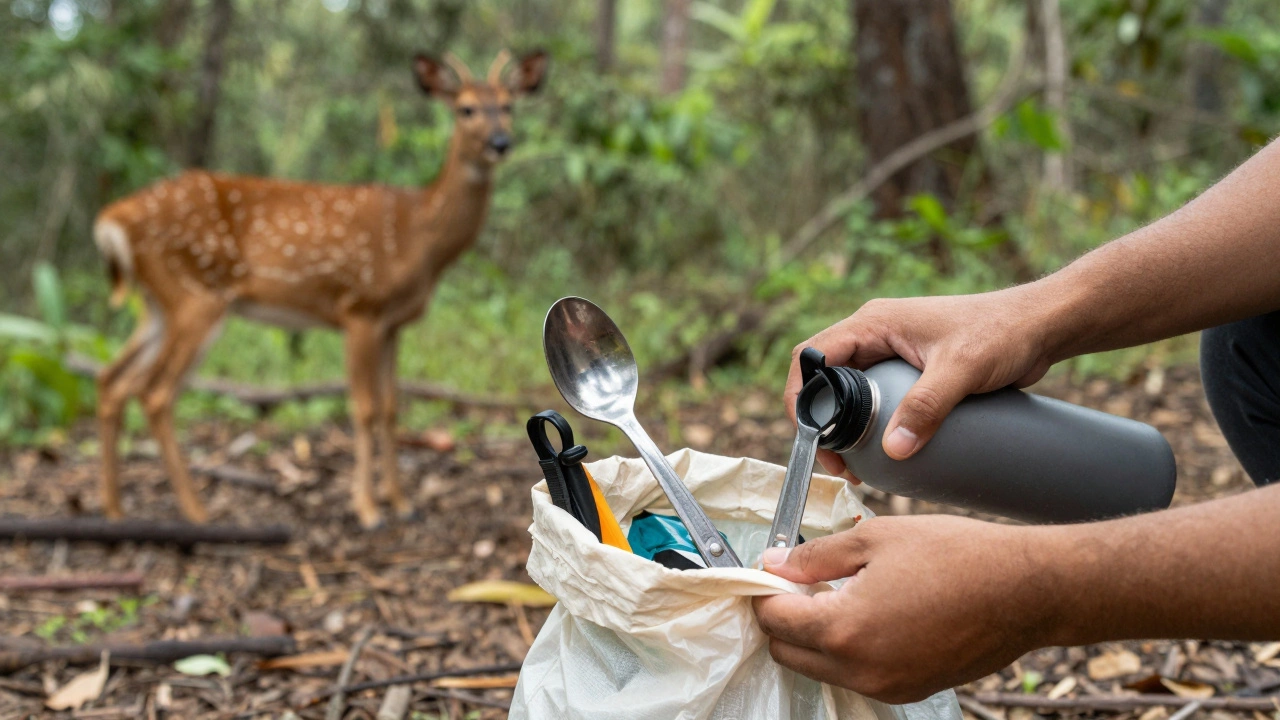
- Invest in a Reusable Kit: Bring reusable plates, cups, and utensils. Avoid single-use plastics entirely. A metal pot and a spork are all you need.
- Learn Bear Safety: Understand how to use a bear canister or hang a food bag properly. Practice at home before heading into the woods.
- Map Your Route: Download offline maps. Getting lost leads to panic and potential environmental harm as you search for landmarks.
- Check Local Regulations: Rules vary by region. Some parks require specific types of stoves or prohibit drones. Ignorance isn't an excuse for fines or closure.
- Start Small: Try car camping first. It’s easier to practice Leave No Trace techniques when you have vehicle access for waste disposal and emergency exits.
The Ripple Effect of Responsible Behavior
When you follow the golden rule, you set an example. Other campers notice. They see you packing out trash and decide to do the same. Children watch adults respect nature and learn to value it. This cultural shift is vital for conservation efforts.
Governments and land trusts rely on public support to protect wild lands. If visitors destroy these places, funding dries up, and areas get paved over or developed. Responsible camping keeps these spaces viable for public enjoyment. It proves that humans and nature can coexist harmoniously.
Whether you are pitching a tent in a national park or booking a stay in an eco-friendly cottage near Dublin, your actions matter. The outdoors is a shared resource. Treat it with care, and it will reward you with endless adventure and peace.
What is the number one rule of camping?
The number one rule is Leave No Trace. This means leaving the campsite exactly as you found it, or better. Pack out all trash, minimize campfire impacts, and respect wildlife. It ensures the environment remains healthy for future visitors.
Is it okay to cut branches for firewood?
No, you should never cut live branches or trees. Only use dead and downed wood that is already on the ground. Cutting living plants damages the ecosystem and violates Leave No Trace principles. In many areas, it is also illegal.
How do I dispose of toilet paper in the wilderness?
In areas with established toilets, use them. In backcountry settings, pack out used toilet paper in a sealed bag. If local guidelines permit burial, dig a cathole 6-8 inches deep and at least 200 feet from water sources. However, packing it out is increasingly recommended to prevent disease spread and visual pollution.
Can I use biodegradable soap in a stream?
No, you should avoid using any soap near water sources. Even biodegradable soaps contain nutrients that can cause algae blooms. Wash at least 200 feet away from lakes and rivers, using minimal amounts of water, and scatter the greywater widely.
Are eco-friendly cottages better for the environment than tents?
Eco-friendly cottages often have a lower per-person impact because they manage waste, energy, and water usage efficiently through centralized systems. Tents have zero permanent footprint but rely heavily on user behavior. Both can be sustainable if managed correctly, but cottages offer more control over environmental variables.
What should I do if I encounter wildlife?
Keep a safe distance. Never approach or feed animals. Make noise to let them know you are there if you surprise them. Back away slowly. If you are camping, store all food and scented items in bear-proof containers or hang them from trees to prevent attracting wildlife to your site.
How far should I camp from water sources?
You should camp at least 200 feet (about 70 steps) away from lakes, rivers, and streams. This protects water quality from human waste and soap runoff, and preserves the habitat for animals that rely on these water edges for drinking and nesting.