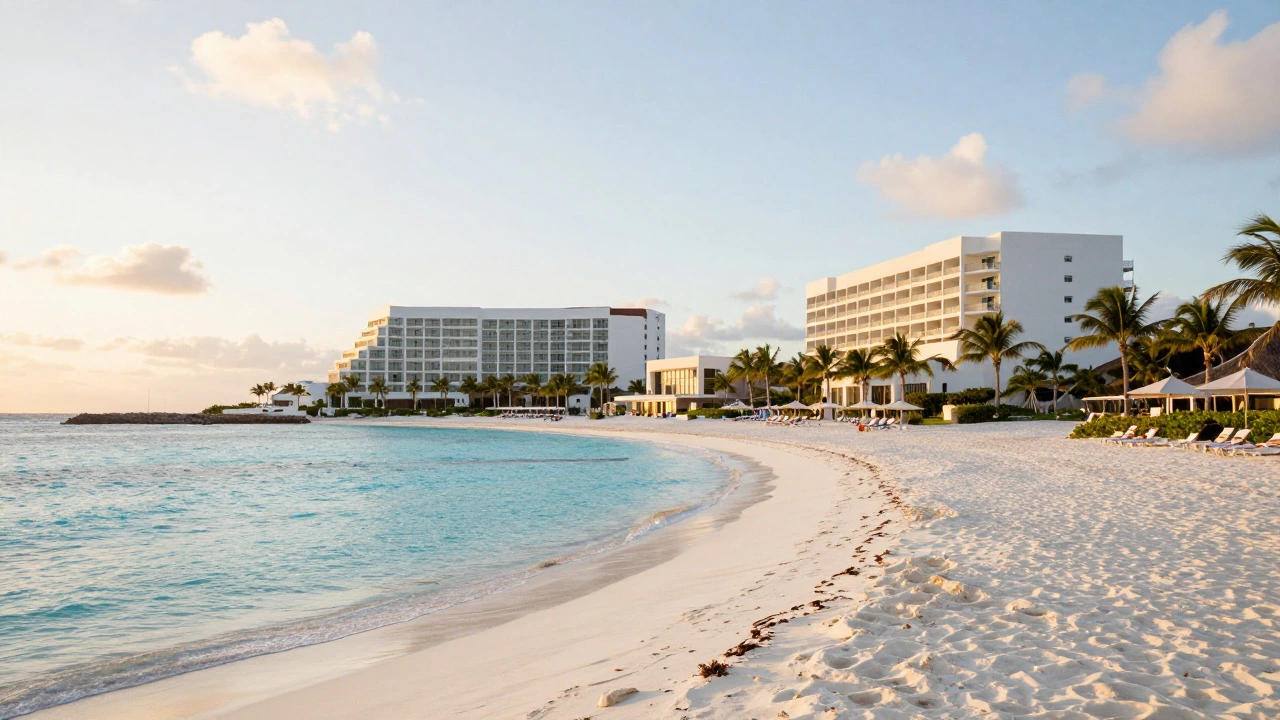
Here is the short answer that keeps most travelers up at night: Yes, it is generally safe to stay at a major Mexico all-inclusive resort. In fact, these properties are often safer than many suburban neighborhoods in the United States or Europe. But "safe" is a tricky word when you leave the resort gates. The reality on the ground in 2026 is nuanced. You can enjoy world-class service and pristine beaches while knowing that organized crime exists just miles away. The key isn't avoiding Mexico; it's understanding how to navigate the specific zones where tourists congregate versus where local tensions play out.
The Bubble Effect: How Resorts Create Safety
When you book an all-inclusive package, you aren't just buying food and drinks. You are paying for a controlled environment. Major chains like Hilton, Marriott, and Hyatt treat security as a core product feature. These resorts employ private security firms that work closely with local police forces. They conduct background checks on staff, monitor surveillance cameras 24/7, and control access points strictly.
This creates what experts call the "resort bubble." Inside this perimeter, your risk of encountering violent crime is statistically negligible. Most incidents involving tourists within these walls are minor-lost wallets, bar fights after too much tequila, or petty theft from unlocked rooms. The infrastructure is designed to keep you comfortable and contained. For example, in Cancun, the Hotel Zone is a self-contained strip with its own traffic lights, emergency services, and police patrols dedicated solely to tourist protection.
However, the bubble has limits. It doesn't extend to the taxi stand outside the gate, nor does it protect you if you decide to hike into a remote cenote without a guide. Understanding where the bubble ends is the first step in staying safe.
Regional Differences: Where You Stay Matters
Mexico is not a monolith. Safety varies drastically depending on which region you choose. If you are planning a trip in 2026, you need to look at the specific destination rather than the country as a whole.
| Destination | Tourist Safety Level | Primary Risk Factors | Best For |
|---|---|---|---|
| Riviera Maya / Playa del Carmen | High | Petty theft, occasional cartel protests | Families, couples seeking nightlife |
| Puerto Vallarta | Very High | Minimal violent crime against tourists | LGBTQ+ travelers, nature lovers |
| Los Cabos | High | Road safety, water sports accidents | Luxury seekers, golfers |
| Cancun | Medium-High | Tourist scams, busy street chaos | First-time visitors, party-goers |
| Guadalajara / Jalisco Interior | Variable | Kidnapping, armed conflict (avoid rural areas) | Cultural immersion (urban centers only) |
Puerto Vallarta consistently ranks as one of the safest destinations in Latin America. The city government invests heavily in tourist policing because tourism is their economic lifeline. Similarly, Los Cabos attracts high-net-worth individuals who demand security, leading to robust private and public protection measures. On the other hand, areas near the border or deep inland regions may have higher crime rates due to drug trafficking routes. Stick to the coastal tourist corridors, and your risk drops significantly.
The Real Dangers: Beyond Gunfire
While headlines scream about cartel violence, the actual threats facing the average all-inclusive guest are far more mundane. In my experience traveling extensively through Mexico, I’ve found that non-criminal hazards cause more injuries and stress than criminal ones.
- Road Accidents: This is the number one killer of tourists in Mexico. Driving standards differ, and roads can be poorly lit or maintained. If you rent a car, stick to main highways during daylight hours. Avoid driving at night between towns.
- Food and Waterborne Illness: "Montezuma’s Revenge" is real. Even at high-end resorts, ice might be made from filtered water, but salads washed in tap water elsewhere can still cause issues. Stick to bottled water, peel your fruits, and avoid raw vegetables unless you’re sure of the source.
- Ocean Conditions: Rip currents in the Caribbean Sea can be dangerous. Always swim near lifeguards and heed flag warnings. In the Pacific side (like Puerto Vallarta), waves can be stronger, requiring caution for swimmers.
- Petty Theft: Pickpocketing happens in crowded markets or on public buses. Keep your passport in the hotel safe and carry a copy instead.
These risks are manageable with basic common sense. They don’t require you to live in fear, just awareness.
Navigating Outside the Resort
One of the biggest mistakes travelers make is assuming they must stay inside the resort to be safe. While the bubble is secure, exploring locally enriches your trip immensely. Here is how to do it safely in 2026.
First, use authorized transportation. Never hail a random taxi on the street. Use Uber where available (it works well in Cancun, Playa del Carmen, and Puerto Vallarta) or take taxis recommended by your concierge. Agree on the price before getting in if meters aren’t used. Second, plan excursions through reputable tour operators. Your resort’s activity desk vets these companies. They know which beaches are safe, which ruins have good lighting, and which drivers are reliable.
If you want to explore independently, stick to well-lit, populated areas during the day. Avoid displaying expensive jewelry or flashing new electronics. Blend in. Locals respect tourists who show cultural sensitivity and humility. Learn a few Spanish phrases-it goes a long way in building rapport and showing respect.
What Travel Advisories Actually Mean
Government travel advisories can be confusing. The U.S. State Department uses a four-tier system: Exercise Normal Precautions, Exercise Increased Caution, Reconsider Travel, and Do Not Travel. As of 2026, most popular all-inclusive destinations like the Riviera Maya and Los Cabos fall under "Exercise Increased Caution" (Level 2). This means crime exists, but it’s rarely directed at tourists. It’s similar to the advisory level for parts of London or Paris.
Don’t let a Level 2 warning scare you off. Instead, read the details. Often, the warning applies to specific municipalities or states, not the entire country. For instance, a warning might target rural areas of Guerrero state, but not the beach town of Acapulco (which has improved significantly) or the cosmopolitan city of Mexico City. Check the specific location of your resort against the latest advisory map.
Practical Safety Checklist for Your Trip
To ensure peace of mind, follow this simple checklist before and during your trip.
- Register Your Trip: Sign up for STEP (Smart Traveler Enrollment Program) if you’re American, or equivalent services for other nationalities. This helps embassies locate you in emergencies.
- Copy Documents: Leave your original passport in the hotel safe. Carry a photocopy or digital photo on your phone. Same for credit cards.
- Know Emergency Numbers: Dial 911 in Mexico. It connects to police, fire, and medical services. Many operators speak English in tourist zones.
- Use Hotel Safes: Store valuables, extra cash, and electronics in the room safe. Don’t leave them lying on the bed or balcony.
- Avoid Nighttime Walking Alone: Even in safe areas, walking alone at night increases vulnerability. Take a taxi back to the hotel after dinner.
- Be Cautious with Alcohol: Drink responsibly. Overindulgence makes you a target for scams and theft. Watch your drink at all times.
The Verdict: Should You Go?
Yes. Millions of people visit Mexico’s all-inclusive resorts every year without incident. The hospitality industry there is built on making you feel welcome and protected. The economic incentive for locals to keep tourists happy is immense. Violent crime against foreigners is rare and usually the result of being in the wrong place at the wrong time-a risk that can be mitigated with smart planning.
Focus on the joy of the trip: the fresh ceviche, the warm sun, the friendly staff, and the stunning natural beauty. By choosing a reputable resort in a established tourist zone and following basic safety precautions, you’ll likely find Mexico to be not just safe, but incredibly rewarding. The fear mongering in media often overlooks the daily reality of millions of happy, unharmed travelers. Trust your instincts, stay aware, and enjoy the vacation you deserve.
Is it safe to walk around Cancun at night?
It is generally safe to walk in the Hotel Zone of Cancun at night, as it is well-lit and patrolled by police. However, avoid isolated beaches or dark streets. Stick to main avenues and always stay alert. Using a taxi for longer distances is recommended.
Are all-inclusive resorts in Mexico guarded?
Yes, major all-inclusive resorts employ private security teams. They monitor entrances, use CCTV cameras, and often coordinate with local police. Security levels vary by chain, but top-tier brands prioritize guest safety heavily.
Can I drink tap water at all-inclusive resorts in Mexico?
Most high-end resorts provide filtered water for drinking and ice. However, to be safe, stick to bottled water for brushing teeth and drinking. Avoid ice from unknown sources outside the resort.
Which Mexican destination is the safest for families?
Puerto Vallarta and the Riviera Maya (specifically Playa del Carmen) are considered very safe for families. They have family-friendly resorts, good medical facilities, and low crime rates in tourist areas.
Do I need travel insurance for Mexico?
Yes, travel insurance is highly recommended. It covers medical emergencies, trip cancellations, and lost luggage. Healthcare in Mexico is affordable but quality varies, and insurance ensures access to private clinics if needed.