
All-Inclusive Value Calculator
Your Trip Details
Daily Spending Habits
Your Travel Style
💰 Cost Comparison Results
All-Inclusive Total
$0
Includes: lodging, meals, drinks, activities
Traditional Stay Total
$0
Lodging + pay-as-you-go expenses
Expense Breakdown (Traditional Stay)
🎯 Our Recommendation
⚠️ Things to Watch For:
- Premium liquor brands may incur surcharges even at all-inclusive resorts
- Single supplements can double costs for solo travelers
- Mini-bar items are often charged separately
- Resort fees may be added at checkout beyond your quoted rate
- Tips for housekeeping/porters may not be included despite claims
Quick Summary
An all-inclusive resort is a hotel where accommodation, food, drinks, and activities are covered in a single upfront price. While these packages offer peace of mind for budgeting, they aren't always the cheapest choice.
- Best for: Families, short breaks, and travelers who want minimal planning stress.
- Avoid if: You prefer authentic local dining, frequenting off-site bars, or exploring every corner of the destination.
- Key factor: Calculate your daily spending habits at home versus the fixed rate.
- Value trap: Premium brands and late-night snacks often cost extra despite the label.
The Truth Behind the Price Tag
Travel planning can feel like solving a puzzle where half the pieces are missing. You find a flight, then a room, then figure out how many meals you’ll eat out. By the end, you’re left staring at a spreadsheet wondering if you saved anything. An all-inclusive resort cuts through that noise by bundling everything into one number.
But here is the real question: Does that bundle actually save you money? Or are you paying a premium for convenience you might not even use?
In 2026, the landscape of holiday accommodation has shifted significantly. Post-pandemic travel habits have solidified around flexibility and safety. Many people returned to booking blocks rather than à la carte experiences because uncertainty became less acceptable. Hotels responded by upgrading their standard offerings to compete with boutique stays.
The definition of "all-inclusive" varies wildly depending on where you go. A property in Mexico includes unlimited poolside tacos and top-shelf rum. In Europe, the same label might cover breakfast, lunch, dinner, and two beers a day with strict limits. You need to look past the marketing buzzwords and inspect the fine print.
The Financial Equation: Upfront vs. Piecemeal
Let’s run a quick scenario. Imagine a week-long trip to the Dominican Republic. You compare a room-only stay against an all-inclusive deal.
If you book a standard hotel at $150 per night, that is $1,050 for seven nights. Now add three meals a day. At a reasonable $20 per meal, you are spending another $420 daily just on food. With two people, that jumps to $600 daily. Over a week, food alone hits $4,200. Drinks, coffee, and water easily push you past $5,000 total.
Now look at the all-inclusive quote. If the resort charges $400 per night per person, that is $2,800 total for the stay. Suddenly, the bundled option looks cheaper. But this math only works if you actually consume what is included.
This brings us to the concept of Opportunity Cost. Every time you pay extra for a special excursion or a bottle of wine, you reduce your savings. If you plan to spend every evening outside the resort, the value evaporates immediately.
Consider the psychological impact of the bill. When you know the limit, you stop counting. This freedom allows you to relax without guilt. For many, that mental space is worth the potential few hundred dollars difference compared to calculating receipts at the end of each meal.
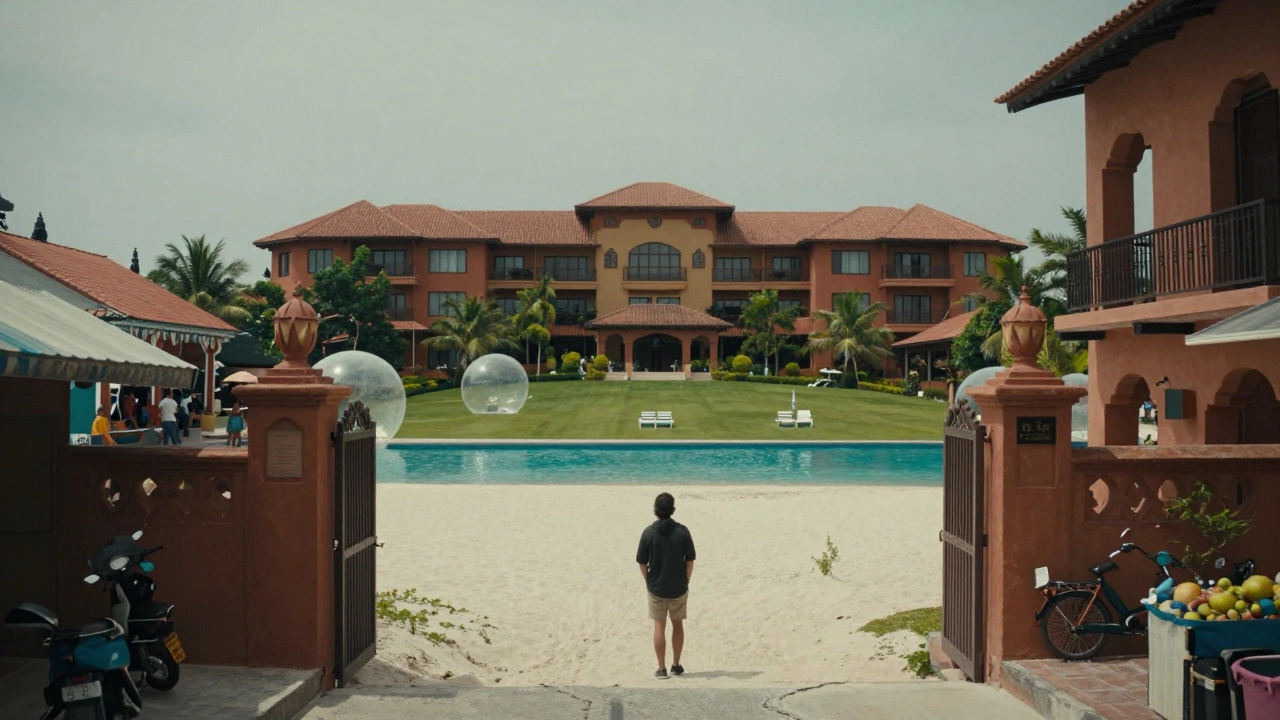
Who Benefits Most From These Packages?
Not everyone fits the mold of a bundled vacationer. Understanding your personal travel style determines whether this is a steal or a waste.
Families with Children
Kids are hungry. Constantly. Finding kid-friendly restaurants while keeping the schedule manageable can be exhausting for parents. Resorts specialize in buffet variety, kids’ clubs, and safe play areas. Parents can grab a drink while kids enjoy supervised fun.
Short Trips
On a long weekend or a four-day escape, packing and unpacking bags feels excessive. Leaving the beach to hunt down dinner takes too much time. When you only have forty-eight hours, staying put makes more sense logistically.
Budget-Conscious Travelers
If you are tracking every cent, locking in your costs prevents sticker shock when you arrive. Exchange rates fluctuate. Inflation in tourist hotspots can surprise you. Having a fixed cap helps avoid overspending during those moments when you want to treat yourself.
When the Deal Falls Apart
There are specific situations where the all-inclusive model fails to deliver value. Recognizing these early saves you from a frustrating vacation.
The Foodie Perspective
If you dream of eating at hidden local tavernas or trying authentic regional dishes, resorts won't satisfy you. While high-end chains now employ executive chefs, the food still tends to feel standardized. You are rarely stepping into the local culture when you dine inside a gated complex.
The Explorer Mindset
Some destinations require movement. Places like Bali, Prague, or San Diego rely on being there. Staying in a bubble keeps you disconnected from the main attractions. If your goal is sightseeing, rent a room and explore freely instead.
Solo Travelers
Many resorts charge a single supplement which effectively doubles the cost of the package for one person. Since food and drinks are bulked, the overhead doesn’t scale down enough for solo guests. Boutique hostels or independent apartments usually offer better rates for individuals.
| Feature | All-Inclusive Resort | Traditional Hotel |
|---|---|---|
| Pricing Structure | Fixed upfront cost | Pay as you go |
| Dining Freedom | Limited to on-site options | Unlimited local choices |
| Planning Effort | Low (mostly ready) | High (requires research) |
| Spending Control | Cap reached quickly | Adjustable daily |
Hidden Costs That Bite Later
Even the most detailed contracts leave gaps. Understanding these loopholes is crucial before you click "book".
First, gratuities. Some places claim tips are included, but housekeeping or porters expect cash nonetheless. Always ask staff directly. Second, premium liquor. Standard brands are free; cognac or aged whiskey might carry a surcharge. Ask for the bar menu specifically before drinking.
Mini-bars are notorious traps. Items placed inside your room fridge are often scanned daily and charged separately, even if advertised as included elsewhere. Leave them untouched. Also, look for "resort fees" added at checkout. These cover amenities like Wi-Fi or gym access, effectively double-charging you for things already promised in the package.

The 2026 Landscape and Sustainability
We are seeing a major shift toward "eco-inclusive" models. Properties in 2026 are under pressure to minimize plastic and manage water resources efficiently. Older all-inclusive models struggled with waste management due to buffet excess.
New certifications require proof of sustainable sourcing. This matters because cheap food often comes from industrial factories. High-quality resorts now prioritize locally sourced produce, supporting nearby farmers instead of importing frozen vegetables. Check for Green Globe or EarthCheck labels when searching.
Technology has also changed the game. Contactless payments via wristbands streamline entry to rooms and pools. You no longer worry about carrying cash. Digital passes allow easy exit and re-entry, giving you flexibility to visit town without losing your spot back at the beach.
Making the Decision
You need to decide based on your appetite for hassle versus your appetite for exploration. There is no universal winner between the two styles. It depends entirely on how you define a good holiday.
If you return home exhausted from organizing logistics, a bundle suits you. If you return home wishing you had seen more streets and met more locals, you should skip it. Look at your bank statements from previous holidays. Add up restaurant tabs, taxi fares, and souvenir purchases. Does that total exceed a typical inclusive package fee? That number is your answer.
Frequently Asked Questions
Are all drinks really included at these resorts?
Most include domestic beer, wine, and soft drinks, but top-shelf spirits and branded bottles often incur extra charges. Always review the specific beverage policy before arrival.
Can I bring my own food into an all-inclusive resort?
Generally no. Security checks prevent bringing external consumables, especially alcohol, to protect revenue streams. Some resorts may charge corkage fees if you attempt to eat outside food.
Is it better to book direct or through a travel agent?
Booking direct often ensures better customer service changes, while agents sometimes have exclusive group rates. Check both sources before finalizing your deposit.
Do children pay full price for these vacations?
Children often get steep discounts or stay free when sharing a room with adults, making families the biggest demographic for these deals. Confirm age limits for child pricing.
What happens if I want to explore outside the resort?
You are free to leave anytime. However, your meals booked within the package are non-refundable if you skip them that day, effectively wasting that portion of your investment.