Glamping vs. Camping Cost Calculator
Use this calculator to determine which option is more cost-effective for your specific travel habits and gear ownership status.
There is a common myth that sleeping under the stars means you have to choose between shivering on the ground or paying a small fortune for comfort. You might assume that glamping is just a fancy word for expensive camping, while traditional camping is the only way to save money. But when you actually look at the receipts, the story gets complicated. The difference in cost depends entirely on what you own, where you go, and how much value you place on having a real bed.
If you are standing at the trailhead with a brand-new tent, sleeping bag, and stove, your upfront investment is high. If you book a yurt or an eco-pod, you pay a nightly rate that includes furniture, electricity, and often a kitchen. So, which one actually drains your wallet faster? Let’s break down the real numbers, looking at both the immediate cash outlay and the hidden costs of gear maintenance.
The Upfront Gear Trap: Why Cheap Camping Can Be Expensive
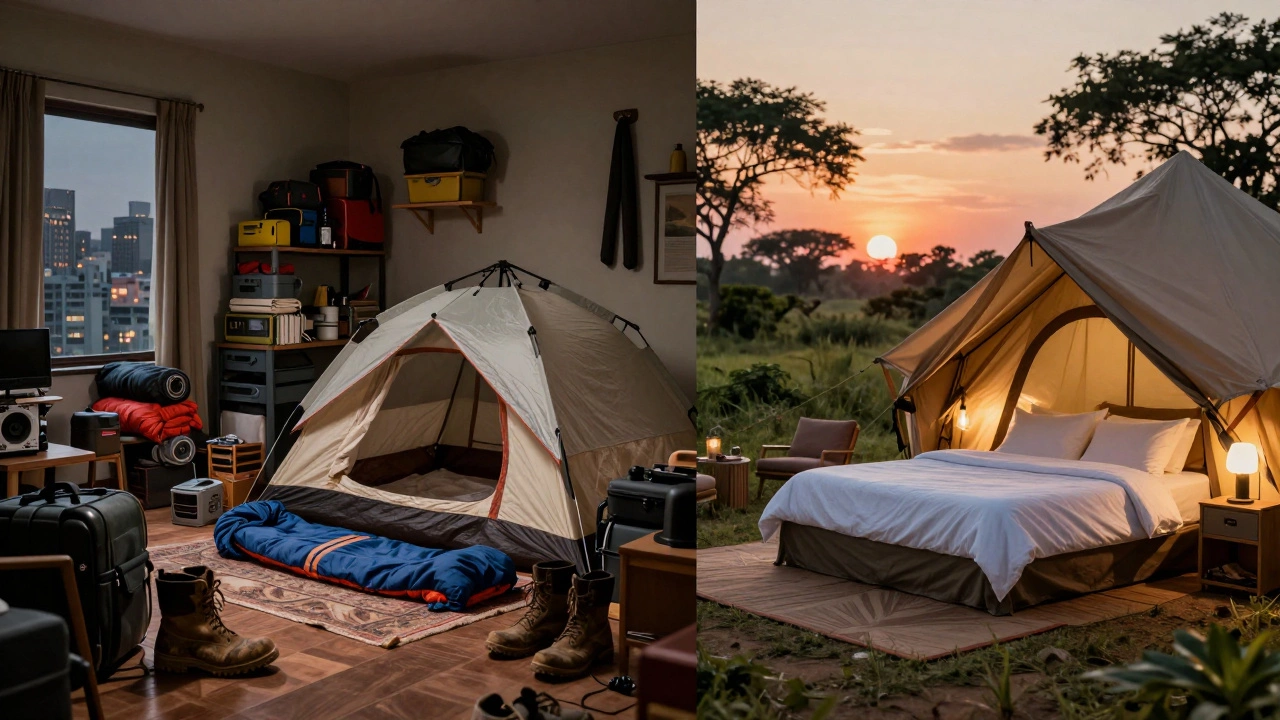
Most people think camping is cheap because they see the low nightly fees at campsites. They forget about the entry ticket: the gear. To camp comfortably, you need more than just a tarp. You need a reliable tent, a sleeping bag rated for the local climate, a sleeping pad for insulation, a portable stove, fuel, cookware, and lighting.
A decent setup for two people can easily run you between €400 and €800 if you buy quality items that won’t leak during the first rainstorm. I’ve seen friends buy the cheapest tent from a big-box store, only to replace it every two years because the zippers broke or the waterproofing failed. That adds up. Over five years, buying and replacing cheap gear often costs more than booking a few nights of glamping.
Then there is the storage issue. If you live in a city apartment, like many do in Dublin, storing bulky camping gear is a nightmare. You might end up paying for extra storage space or cluttering your living room with muddy boots and damp tents. Glamping removes this burden entirely. You show up, you sleep, you leave. No laundry piles, no gear drying on radiators.
| Item | Traditional Camping (One-time) | Glamping (Per Night) |
|---|---|---|
| Tent/Shelter | €150 - €400 | Included |
| Sleeping System | €100 - €300 | Included (Real Bed) |
| Cooking Equipment | €50 - €150 | Included (Kitchenette/Kitchen) |
| Lighting & Power | €30 - €100 | Included (Electricity) |
| Transportation | Fuel + Wear/Tear | Fuel + Wear/Tear |
Nightly Rates: The Sticker Shock vs. The Value
Let’s talk about the nightly price tag, which is usually the biggest shock for first-time glampers. A standard pitch at a public campground in Ireland might cost you €15 to €25 per night for two people and a car. In contrast, a basic glamping unit-like a safari tent or a bell tent-can range from €80 to €150 per night. Luxury options, such as yurts with en-suite bathrooms or heated eco-cottages, can push past €200.
On paper, glamping looks three to four times more expensive. But you aren’t just paying for a roof. You are paying for infrastructure. When you book a glamping site, you are accessing running water, hot showers, electrical outlets, and often Wi-Fi. At a traditional campsite, these amenities are either limited, shared, or non-existent. If you miss a hot shower after a day of hiking, does the €60 savings feel worth it?
Consider the "hidden" costs of camping too. You need to buy firewood, propane canisters, and often premium food because you have limited cooking facilities. In a glamping setup, especially in eco-friendly cottages that offer full kitchens, you can cook regular meals using standard ingredients. This saves money on takeout and reduces food waste.
The Eco-Friendly Cottage Middle Ground
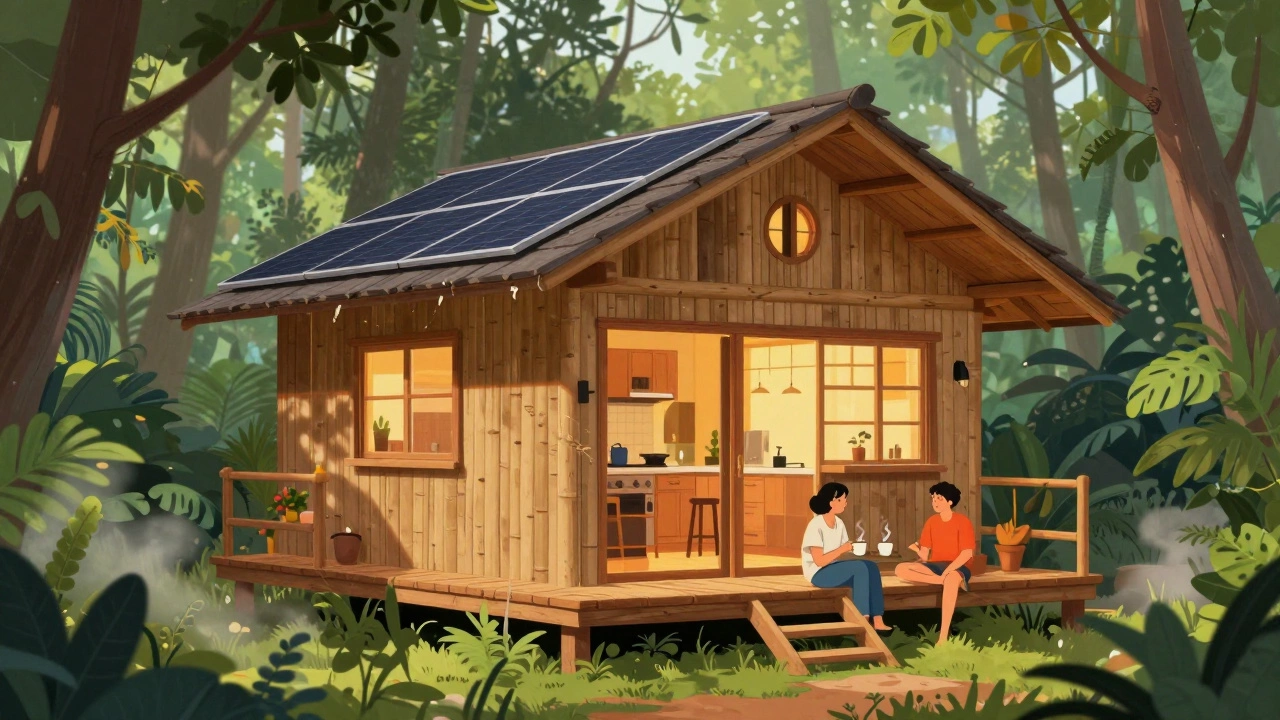
This is where things get interesting for travelers who want nature without the hardship. Eco-friendly cottages are small, sustainable accommodations built with natural materials and designed to minimize environmental impact. These structures often bridge the gap between rugged camping and luxury hotels.
Unlike a canvas tent, an eco-cottage provides solid walls, proper insulation, and privacy. They are often powered by solar energy or wood stoves, aligning with the values of environmentally conscious travelers. In terms of pricing, they sit slightly above basic glamping but below boutique hotels. You might pay €120 to €180 per night. However, you get the durability of a building. Rain doesn’t make you wet. Wind doesn’t tear your shelter apart. Wildlife stays outside.
For families or couples traveling for more than three days, eco-cottages often become the cheaper option when you factor in comfort and convenience. You don’t spend hours setting up and breaking down camp. You don’t wake up cold. The time saved is valuable, and the reduced stress makes the trip more enjoyable, which is part of the overall value proposition.
Location Matters: Urban Fringe vs. Remote Wilderness
Where you stay changes the math significantly. Campsites near popular cities or tourist hubs charge premium rates. During peak summer months in places like Killarney or Galway, a basic campsite pitch can surge in price due to demand. Glamping sites in these same areas also increase their rates, but they often include exclusive access to land or views that justify the hike in price.
If you venture into remote wilderness areas, traditional camping becomes much cheaper, sometimes free if you follow "Leave No Trace" principles and camp on public land where permitted. However, you lose all amenities. You carry everything in and out. Glamping rarely exists in true wilderness; it requires infrastructure. So, if your goal is deep isolation, camping wins on cost. If your goal is scenic beauty with comfort, glamping or eco-cottages win on experience.
Long-Term Value: Frequency of Use
Your personal habits dictate which option is truly cheaper. If you camp once a year, buying gear is a terrible financial decision. The gear sits in your garage collecting dust, depreciating in value. For occasional travelers, glamping is far more economical because you pay only for what you use. It’s a rental model versus an ownership model.
Conversely, if you are a frequent camper-say, ten weekends a year-the initial gear cost amortizes quickly. After two seasons, your gear is paid off. Each subsequent trip costs only the campsite fee and fuel. For avid outdoorspeople, camping is undeniably cheaper in the long run. But for the average family taking one or two vacations a year, the recurring cost of glamping or staying in an eco-cottage avoids the sunk cost of unused equipment.
Hidden Costs: Maintenance and Time
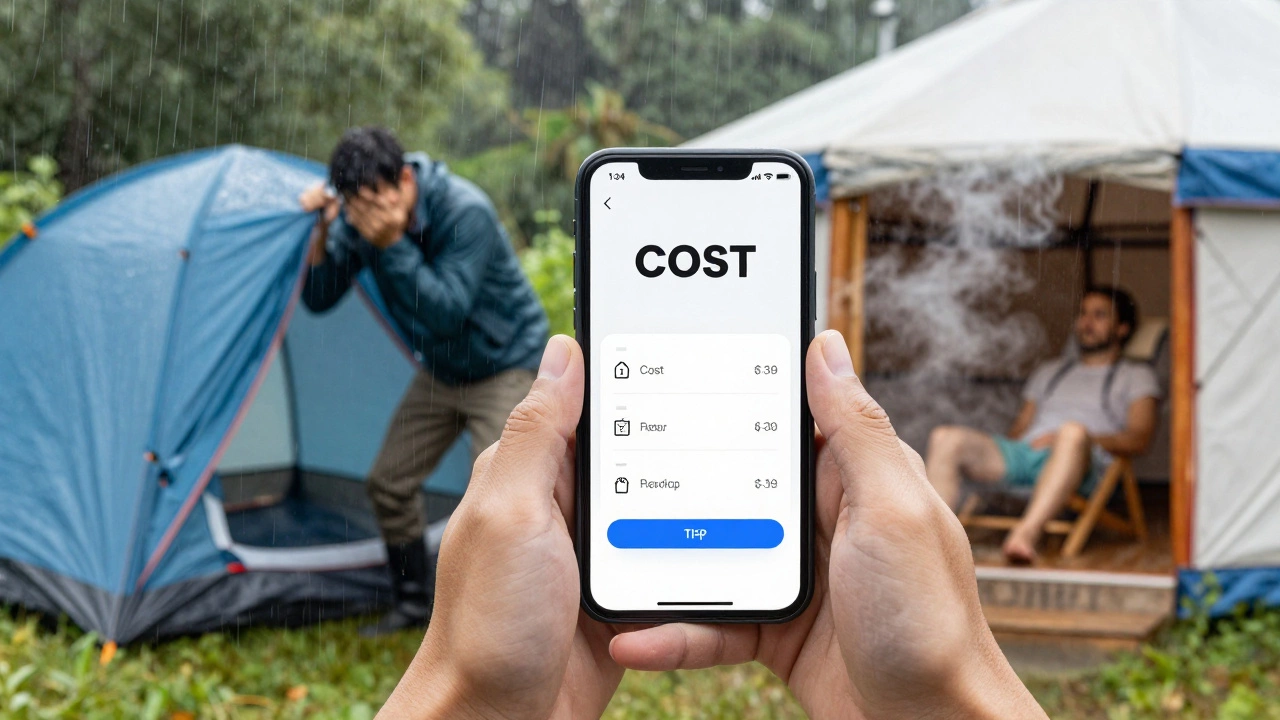
We often ignore the cost of our time and effort. Camping requires labor. You must scout for level ground, set up the tent, gather or buy firewood, manage waste, and clean up thoroughly before leaving. This takes time and energy. Glamping and eco-cottages are plug-and-play. You arrive, unpack your clothes, and relax. If you value your leisure time highly, the convenience of glamping has a monetary value that balances out the higher nightly rate.
Maintenance is another hidden expense. Tents need re-waterproofing. Sleeping bags need washing. Stoves need cleaning. These tasks take time and money. An eco-friendly cottage or glamping pod is maintained by the host. You never worry about mold in your sleeping bag or a broken tent pole. This peace of mind is part of the service you are paying for.
Which Option Fits Your Budget?
So, is glamping more expensive than camping? Yes, on a strict nightly basis. But is it less value? Not necessarily. If you are a solo backpacker with lightweight gear and a high tolerance for discomfort, camping is the clear winner. It is cheap, flexible, and adventurous.
However, if you are traveling with partners, children, or elderly relatives, or if you simply hate being cold and wet, glamping and eco-friendly cottages offer a smarter financial trade-off. You avoid the high upfront cost of gear, the hassle of maintenance, and the physical toll of roughing it. For many modern travelers, the ability to enjoy nature without sacrificing basic comforts makes the higher price tag a worthwhile investment in enjoyment rather than a waste of money.
Is glamping really worth the extra money compared to camping?
It depends on your frequency of travel. If you only go once or twice a year, glamping is cheaper because you avoid buying expensive gear that will sit unused. If you camp frequently, the initial gear cost pays off, making camping cheaper in the long run. Glamping is worth it if you value comfort, hot showers, and not having to set up a tent.
What is the average cost of glamping in Ireland?
In Ireland, basic glamping tents typically range from €80 to €150 per night. More luxurious options like yurts or eco-cottages with en-suite facilities can cost between €150 and €250 per night. Prices vary significantly by location and season, with summer rates being higher.
Are eco-friendly cottages cheaper than hotels?
Yes, eco-friendly cottages are generally cheaper than traditional hotels, especially those with kitchens. While they may cost more than a basic campsite pitch, they offer more space, privacy, and amenities than a standard hotel room, providing better value for families or longer stays.
Do I need special gear for glamping?
No, most glamping sites provide all necessary bedding, towels, and kitchen equipment. You usually only need to bring your own clothes, toiletries, and perhaps some specific food items. This lack of required gear is one of the main financial advantages of glamping over traditional camping.
Is camping cheaper if you already own gear?
Absolutely. If you already have a tent, sleeping bag, and stove, camping is significantly cheaper than glamping. You only pay for the campsite fee, which is often €15-€25 per night, plus fuel for your vehicle. This makes camping the most budget-friendly option for experienced outdoorspeople.