Quick Guide to Budget Stays
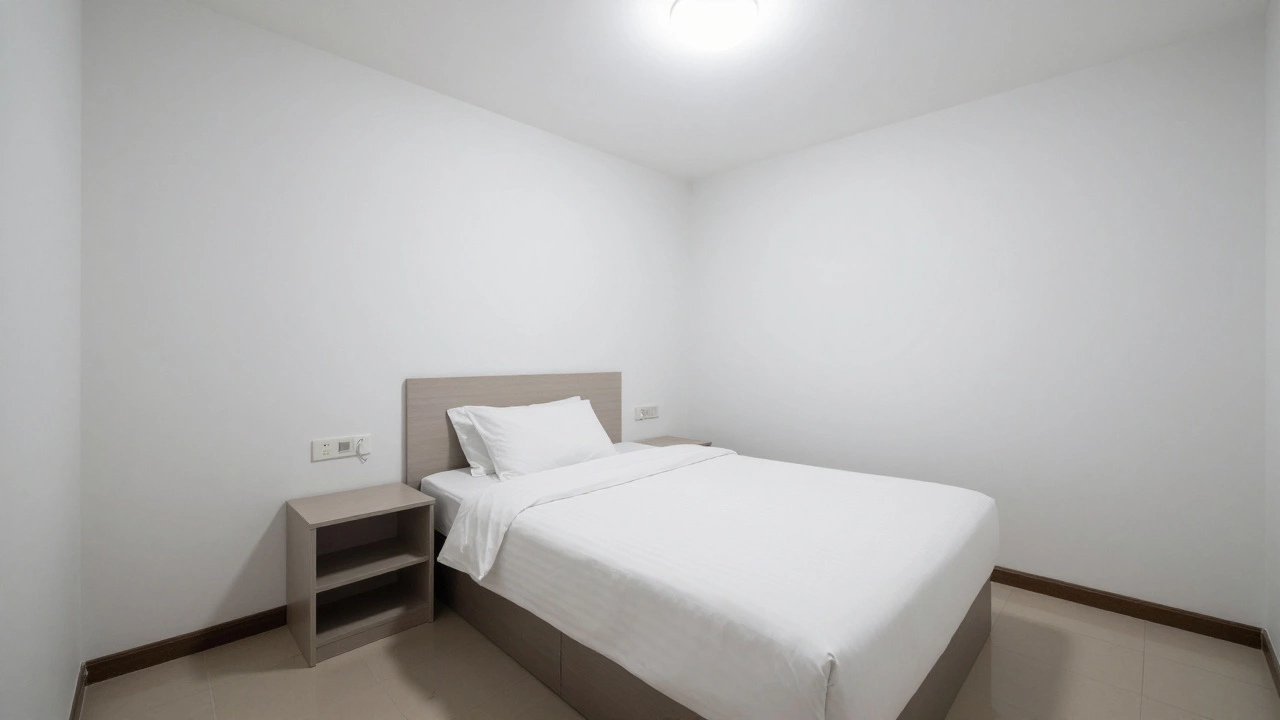
- Economy/Budget Rooms: The lowest price point, usually meaning the smallest square footage and basic amenities.
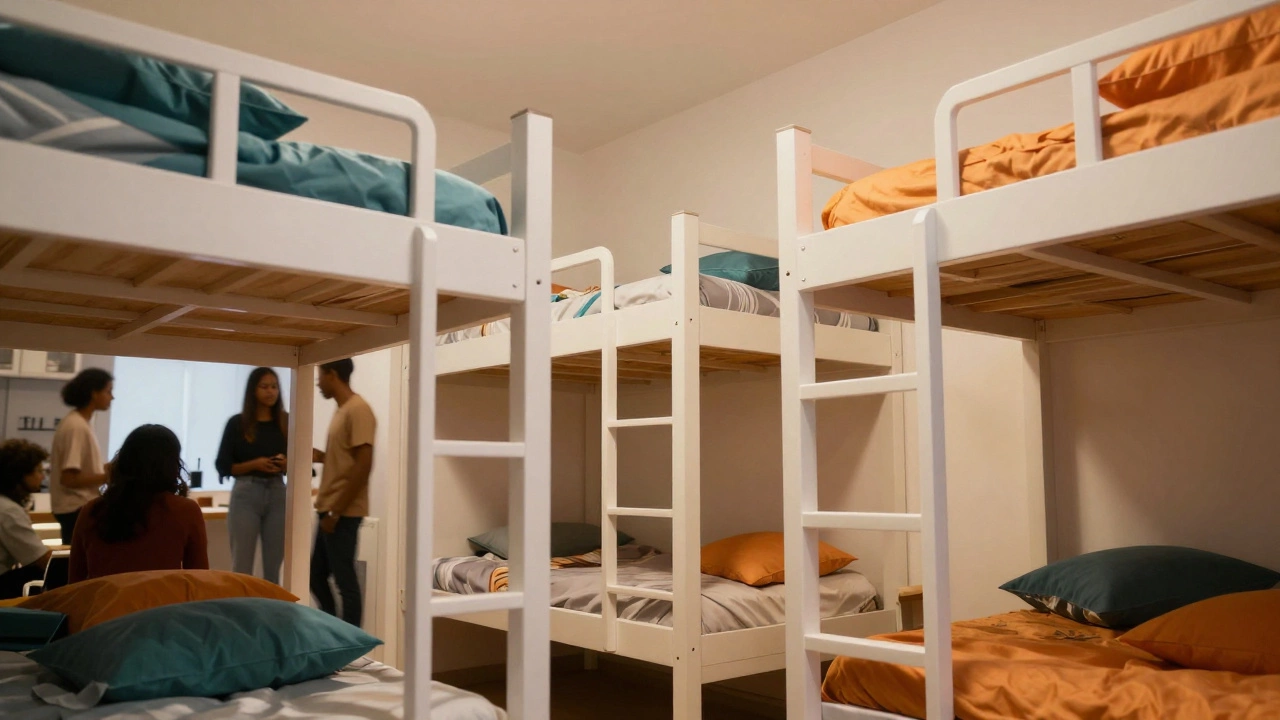
- Shared Rooms/Hostels: The absolute cheapest option where you pay for a bed, not a room.
- Interior Rooms: Cheaper because they lack windows or have views of a brick wall.
- Off-Peak Booking: Using mid-week dates to drop prices by 30-50%.
The absolute cheapest room types
When you're hunting for the rock-bottom price, you'll likely encounter Economy Rooms is the most basic private room offered by a hotel, typically featuring a small bed, minimal furniture, and a basic bathroom. These are designed for travelers who spend 90% of their time outside the hotel. You'll find these most often in Budget Hotels, which are establishments that prioritize function over luxury, often stripping away services like bellhops or room service to keep costs low.
If you can handle not having a private door that locks, a Hostel is the undisputed king of cheap travel. In a hostel, you aren't renting a room; you're renting a bunk in a dormitory-style room shared with other travelers. It's a social experience, but it's also the only way to find lodging in expensive cities like New York or London for under $40 a night.
Another hidden gem is the "Interior Room." Many hotels have rooms that don't face the street or the pool-they face the hallway or a light well. Because they lack natural light or a view, hotels slash the price. If you plan on sleeping through the night and don't care about the scenery, this is a great way to get a private room at a fraction of the standard rate.
Why some rooms are cheaper than others
Price isn't just about the size of the bed. It's about the hotel deals associated with specific constraints. For example, "Non-Refundable" rates are almost always the cheapest. You're essentially betting on your own travel plans; the hotel gives you a discount because they have the guarantee that they'll get paid even if you don't show up.
Location is another huge factor. A room in a hotel located 2 miles from the city center might be 40% cheaper than one right on the main square. You're trading your time (and perhaps a few dollars for a subway ticket) for a lower nightly rate. This is a classic trade-off in budget travel: convenience vs. cost.
| Room Type | Privacy Level | Typical Price Range | Best For |
|---|---|---|---|
| Hostel Dorm | Low (Shared) | $20 - $60 | Solo backpackers |
| Economy Single | High (Private) | $50 - $110 | Short business trips |
| Interior/Standard | High (Private) | $80 - $150 | Couples on a budget |
| Pod Hotel | Medium | $40 - $90 | Airport layovers |
Strategies to snag the lowest rates
Timing is everything. If you book a room for a Tuesday night, it will almost always be cheaper than a Friday night. Hotels often have low occupancy during the week, leading them to drop prices to fill beds. If your schedule is flexible, shift your trip to a Sunday-Thursday window.
Another pro move is to look for Airport Hotels. While they are great for layovers, they often have competitive rates for general travelers because they aren't in the "tourist zone." Just make sure the hotel provides a shuttle service, or your savings will be eaten up by expensive Uber rides into the city.
Don't ignore the power of membership. Joining a hotel's loyalty program-even the free tier-often unlocks "Member Only" rates that are 5-10% cheaper than what you see on public booking sites. It takes two minutes to sign up and usually saves you enough for a decent breakfast.
Common pitfalls when booking the cheapest version
The cheapest room isn't always the best deal. Sometimes, the lowest price comes with a "gotcha." For instance, some very cheap rooms in Europe or Asia might have "shared bathrooms," meaning you have to walk down the hall to use the toilet. Always check the room description for the words "Ensuite" (private bathroom) or "Shared Facilities."
Bed size is another trap. A "Single Room" is exactly that-it's for one person. If you're traveling with a partner, trying to squeeze into a single room to save money usually results in a sleepless night and a grumpy partner. In these cases, the "Double Room" or "Queen Room" is the actual cheapest viable option.
Then there's the issue of noise. Interior rooms or rooms located near the elevators and ice machines are cheaper because they are louder. If you are a light sleeper, avoid the absolute cheapest room if it's located right next to the service elevator. The extra $10 for a mid-floor room is a small price to pay for actual sleep.
Alternative affordable options
If traditional hotels are still too pricey, consider Guesthouses. These are often family-run operations that offer a more personal touch than a corporate budget hotel. They typically operate on lower overheads, allowing them to offer competitive rates while providing a more authentic local experience.
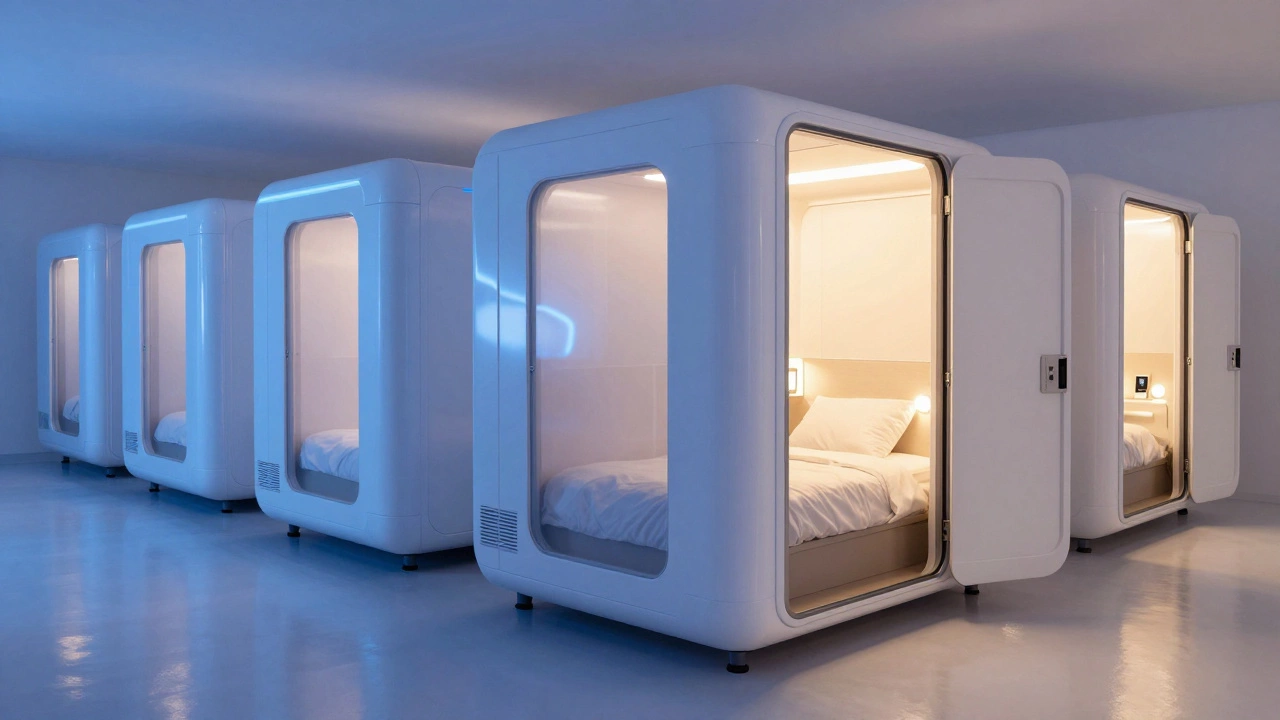
Another option is the Pod Hotel, a concept that started in Japan. It's essentially a high-tech version of a hostel. You get a private, enclosed capsule with a bed, a light, and a power outlet, but you share a larger room with other pods. It's cleaner and more private than a bunk bed but significantly cheaper than a full hotel room.
Is a 'Standard' room usually the cheapest?
Usually not. Most hotels have an 'Economy' or 'Budget' tier below the Standard room. Standard rooms are the baseline for a typical guest experience, while Economy rooms often have smaller dimensions or fewer views to lower the cost.
What does 'non-refundable' actually mean for the price?
It means you pay upfront and cannot get your money back if you cancel. Hotels offer this at a discount because it removes the risk of a 'no-show' for them, guaranteeing their revenue for that night.
Are budget hotels safe?
Generally, yes. Budget hotels prioritize basic safety standards. However, you should always check recent reviews for mentions of security and cleanliness to ensure the specific location meets your standards.
Can I get a cheaper rate by calling the hotel directly?
Sometimes. Hotels pay a commission (often 15-25%) to booking sites. If you call and ask for the same rate you saw online, they might give you a further discount or throw in a free breakfast since they don't have to pay the middleman.
What is the difference between a hostel and a budget hotel?
The primary difference is privacy. A budget hotel provides a private room and bathroom. A hostel typically provides a bed in a shared room with a communal bathroom, though many hostels now offer a limited number of private rooms as well.
Next steps for saving money
If you're ready to book, start by using a price comparison tool but then visit the hotel's official website to see if there's a member rate. If the price is still too high, try adjusting your dates by just one or two days-you'd be surprised how much a Tuesday vs. a Friday costs. Finally, if you're okay with a social environment, look for highly-rated hostels with 'female-only' or 'small-group' dorms to balance cost with comfort.