US All-Inclusive Vacation Cost Estimator
Trip Details
Cost Breakdown
Enter your trip details and click calculate to see an estimated cost.
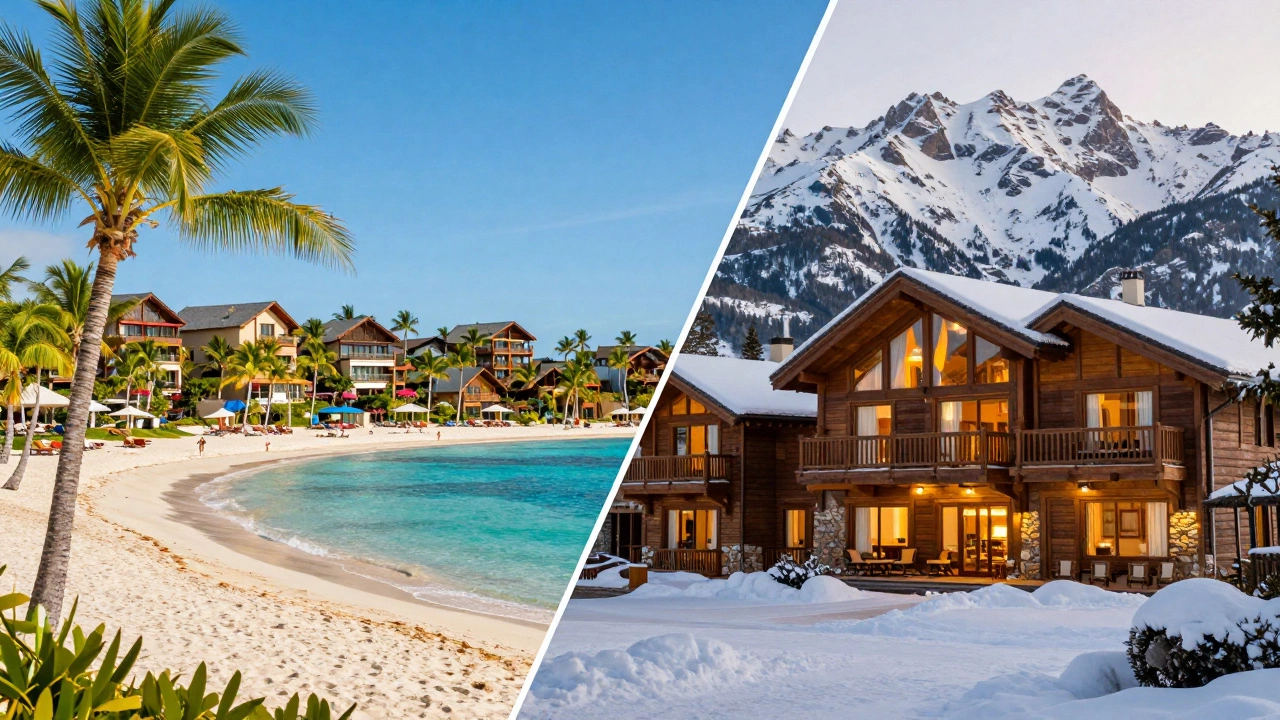
It is a common misconception that the all-inclusive hotel model is exclusive to the Caribbean or Mexico. If you are planning a trip within the United States and want the convenience of one price covering meals, drinks, and activities, you might be surprised by what is available. The short answer is yes, America does have all-inclusive hotels, but they look very different from the tropical beach resorts you see in brochures for Jamaica or Cancun.
In the US, the concept has evolved to fit diverse landscapes. You will find them in snowy mountain towns, on historic plantations in the South, and even in urban centers. However, the definition of "all-inclusive" can vary wildly depending on where you go. Before you book, it is crucial to understand exactly what is included and what isn't, because the US market is fragmented compared to the standardized models found abroad.
The Landscape of All-Inclusive in the United States
To understand why the US all-inclusive scene feels different, we need to look at how these properties operate. In places like Caribbean a region known for standardized resort packages including food, drink, and transfers, the model is rigid and predictable. In the US, it is often more flexible or niche.
Most traditional all-inclusive chains, such as Sandals a luxury adult-only resort chain primarily located in the Caribbean or Iberostar a global hospitality group with significant presence in Europe and the Americas, do not have major properties in the continental US. Instead, independent operators and boutique groups have filled the gap. This means there is no single booking platform that dominates the space. You cannot just click "All-Inclusive" on a generic travel site and expect uniform results. You have to dig deeper into specific regions.
| Feature | US All-Inclusive | Traditional (Caribbean/Mexico) |
|---|---|---|
| Primary Locations | Mountains, Plantations, Urban | Beachfront Resorts |
| Drink Policy | Often limited or premium only | Usually unlimited local/international brands |
| Activities | Hiking, Spa, Cultural Tours | Water sports, Nightly Shows, Kids Clubs |
| Price Point | $300 - $1,500+ per night | $200 - $800 per night |
| Booking Ease | Direct website or specialized agents | Major OTAs (Expedia, Booking.com) |
Top Regions for All-Inclusive Experiences
If you are looking for the closest thing to a traditional vacation experience within the US, you need to look at three specific areas: Hawaii, the Southeastern Plantations, and Mountain Retreats.
Hawaii: The Closest to Traditional
Hawaii is the only state where you will find large-scale, beachfront all-inclusive options that resemble the Caribbean model. While many Hawaiian resorts charge extra for everything, a few stand out. Aulani, A Disney Resort & Spa a family-friendly resort in Oahu offering vacation packages that include dining credits and activities offers packages that bundle dining and entertainment, though it is technically a "package" rather than strictly all-inclusive in the European sense. For a stricter definition, look at smaller boutique resorts on Kauai or Maui that offer full-board plans with alcoholic beverages included.
The Southern Plantations
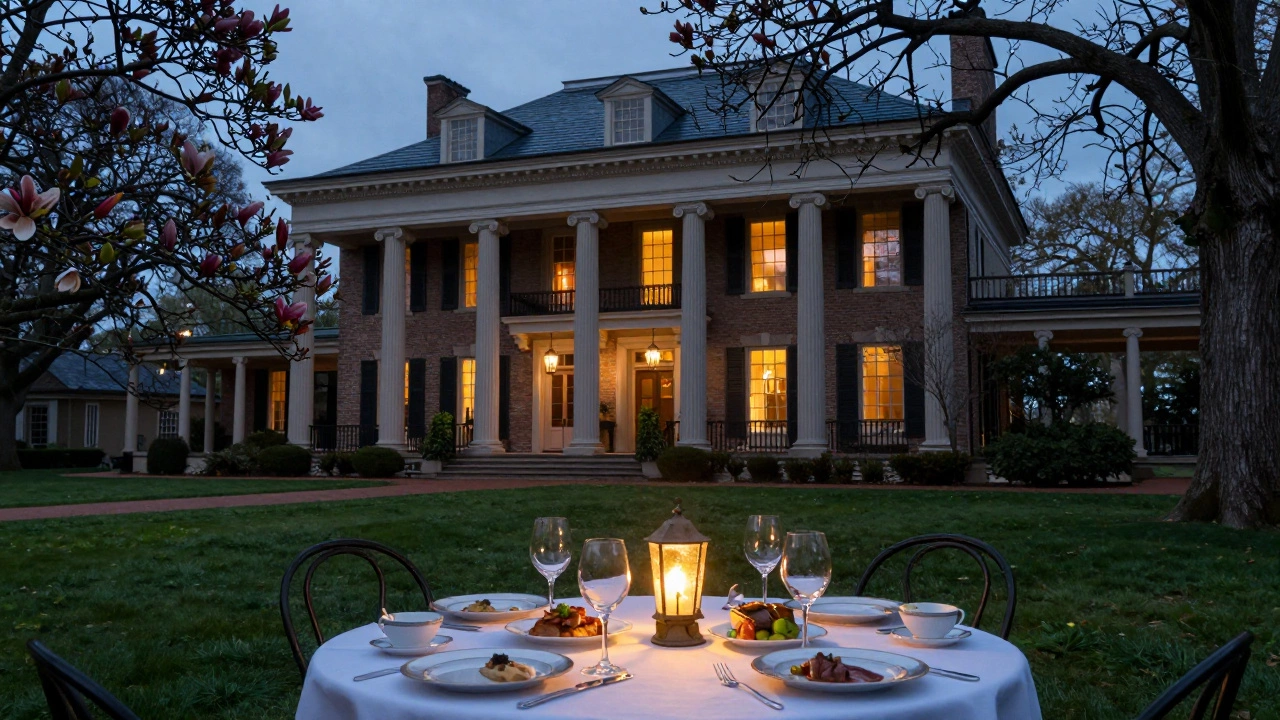
In states like Louisiana, Mississippi, and Georgia, the all-inclusive model takes on a historical and culinary twist. These are not party-centric resorts. They are quiet, elegant estates focused on fine dining and relaxation.
- Emerald Plantation (Louisiana): Located in New Orleans, this property includes gourmet breakfast, lunch, dinner, and cocktails in the rate. It focuses on Southern cuisine and jazz culture.
- Evergreen Plantation (Louisiana): One of the most historic sites in the country, offering guided tours and meals that highlight Creole history.
- Mistletoe Inn (Georgia): A romantic retreat that includes meals and wine, focusing on the Appalachian foothills.
These properties appeal to couples seeking romance and history rather than families looking for kids' clubs. The "inclusive" part here is about the seamless experience of not having to leave the grounds for high-quality food.
Mountain and Ski Resorts
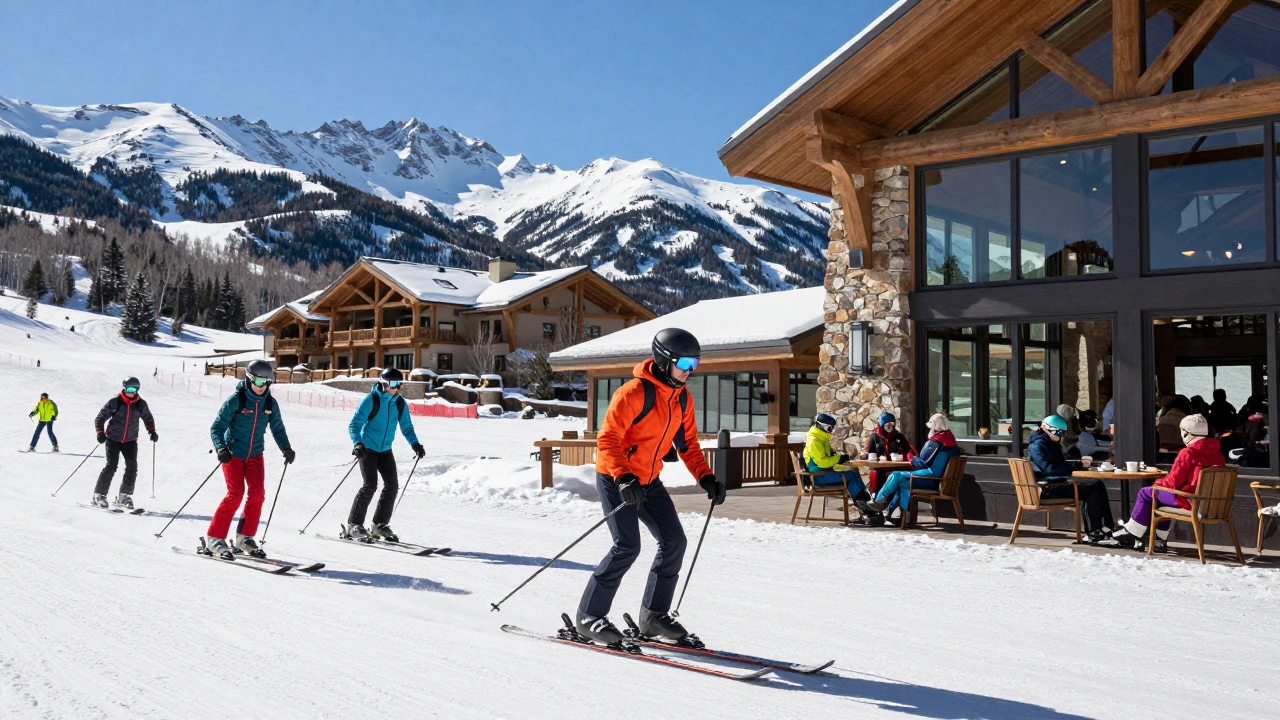
In the winter months, the concept shifts again. Ski resorts in Colorado, Utah, and Vermont often offer "all-inclusive" ski passes. This means your lift ticket, equipment rental, and sometimes lessons are bundled. Some luxury lodges, like those in Vail a premier ski destination in Colorado known for upscale accommodations or Aspen a high-end resort town in Colorado famous for skiing and arts, offer meal plans that cover breakfast and dinner, allowing you to stay on the slopes all day without worrying about restaurant bills.
What Is Actually Included?
This is the most critical question. When you see "all-inclusive" on a US hotel website, read the fine print. Here is what you typically get, and what you usually don't.
Typically Included:
- Accommodation (Room/House)
- Daily Breakfast (often elaborate)
- Lunch and Dinner (at on-site restaurants)
- Non-alcoholic beverages (coffee, tea, juice, soda)
- Basic Activities (yoga, hiking guides, pool access)
Often Excluded or Premium:
- Premium Alcoholic Beverages (top-shelf liquor, imported wines)
- Spa Treatments (massages, facials are almost always extra)
- Excursions Off-Property (museum tickets, guided city tours)
- Gratuities (in the US, tipping is still expected even at all-inclusive spots unless explicitly stated otherwise)
For example, at many plantation-style hotels, the included wine list may be decent, but if you want a specific vintage or a cocktail with premium vodka, you will pay out of pocket. Always ask for an "inclusion sheet" before booking.
Pros and Cons of Choosing US All-Inclusives
Why would you choose a US all-inclusive over a flight to Mexico? And why might you avoid it?
The Pros:
- No Jet Lag: You can take a road trip or a short domestic flight. Perfect for weekends or short breaks.
- Diverse Landscapes: Experience the Rockies, the Blue Ridge Mountains, or the Gulf Coast without leaving the country.
- Cultural Depth: Many US all-inclusives are tied to local history, art, or agriculture, offering a richer cultural immersion than generic beach resorts.
The Cons:
- Higher Cost: Labor and operational costs in the US are higher. A comparable all-inclusive week in the US can cost 30-50% more than in the Dominican Republic.
- Limited Selection: You won't find endless buffet choices. Menus are often chef-driven and limited to what is locally sourced.
- Tipping Culture: Unlike many international all-inclusives where service charges are baked in, you may still feel pressure to tip staff in the US.
How to Find and Book Them
Since there is no central hub, finding these gems requires strategy. Do not rely solely on major booking engines. Use specialized platforms.
- Use Niche Aggregators: Sites like AllInclusiveResorts.com a directory specifically for all-inclusive properties worldwide allow you to filter by country. Select "United States" to see the current list.
- Search by Region: If you know you want mountains, search "all-inclusive ski resort Colorado." If you want romance, search "all-inclusive plantation Louisiana."
- Contact Directly: Many small US all-inclusives do not advertise heavily online. Calling the concierge or checking their direct website often reveals package deals not listed on third-party sites.
- Check Seasonality: Mountain resorts are all-inclusive in winter but may switch to room-only in summer. Plantation hotels may have seasonal closures. Timing matters.
Alternatives: The "Semi-Inclusive" Trend
If strict all-inclusive doesn't appeal to you, consider the growing trend of "semi-inclusive" or "breakfast-inclusive" stays. Many boutique hotels in cities like Nashville, Austin, and Portland now offer rates that include a high-quality breakfast and evening wine hour. This gives you the financial predictability of a morning meal while allowing the freedom to explore local nightlife and dining scenes. It is a happy medium for travelers who want convenience but also authenticity.
Are there any Sandals resorts in the USA?
No, Sandals Resorts does not currently own or operate any properties in the United States. Their portfolio is exclusively located in the Caribbean, including destinations like Jamaica, Barbados, and St. Lucia. If you want the Sandals brand experience, you must fly internationally.
Is Hawaii considered all-inclusive?
Generally, no. Most Hawaiian resorts charge separately for food and drinks. However, some smaller boutique hotels and vacation rentals offer full-board packages. Large chains like Marriott or Hilton in Hawaii rarely offer true all-inclusive rates, though they may provide dining credits as part of a promotion.
Do I have to tip at all-inclusive hotels in the US?
It depends on the property. Some high-end US all-inclusives include a mandatory service charge that covers gratuities. Others do not. Because tipping is deeply ingrained in US culture, it is wise to carry cash for housekeeping, bellhops, and exceptional server service unless the hotel explicitly states "no tipping required."
What is the cheapest all-inclusive option in the US?
Budget all-inclusives are rare in the US. Your best bet for value is often a cabin rental in national parks that includes firewood and basic provisions, or a mid-range plantation hotel during the off-season (spring or fall). Expect to pay at least $250-$400 per night for a true all-inclusive experience.
Can I bring my own alcohol to US all-inclusive hotels?
Most all-inclusive hotels, both in the US and abroad, prohibit bringing outside alcohol due to licensing laws and revenue protection. Check the specific policy of the hotel. Some mountain cabins may be more lenient, but resort-style hotels will likely confiscate or corkage-charge outside bottles.