Cottage Living Cost & Readiness Calculator
Retrofit Cost Estimator
Select options to estimate your initial investment for making a cottage livable in 2026.
Estimated Breakdown:
*Includes 20% contingency fund for unexpected issues.
Rural Life Readiness Quiz
Answer these questions to see if you're truly ready for cottage living.
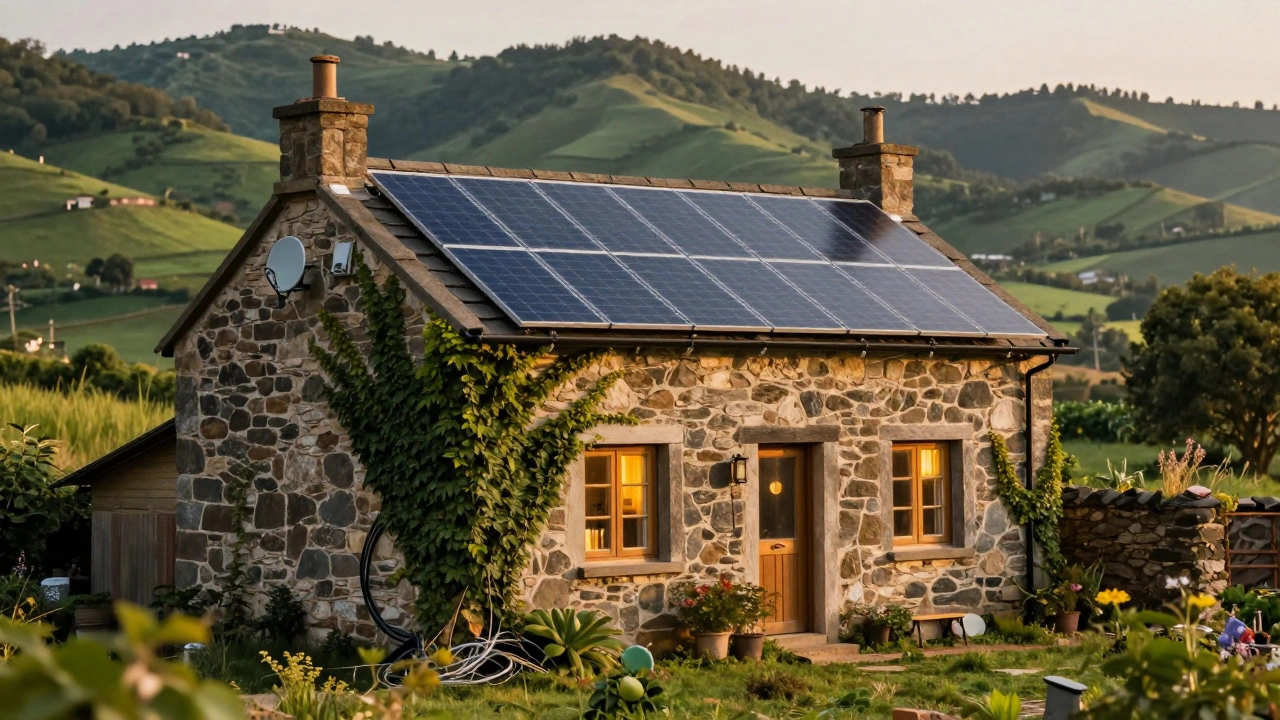
There is a romantic image of cottage living that never quite fades. Picture this: stone walls covered in ivy, a crackling fire, and silence so deep you can hear your own thoughts. For decades, this was the dream for anyone escaping the city grind. But in 2026, the question isn't just about romance. It is about logistics, connectivity, and whether the modern world has finally made rural isolation obsolete or elevated it to a new standard of luxury.
The short answer is yes, you can still live in a cottage. In fact, more people are doing it than ever before. However, the definition of what makes a cottage livable has shifted dramatically. It is no longer enough to have four walls and a roof. Today’s viable cottage requires high-speed fiber optics, sustainable energy systems, and often, a hybrid approach to maintenance that blends old-world charm with new-world technology.
The Digital Lifeline: Connectivity as a Utility
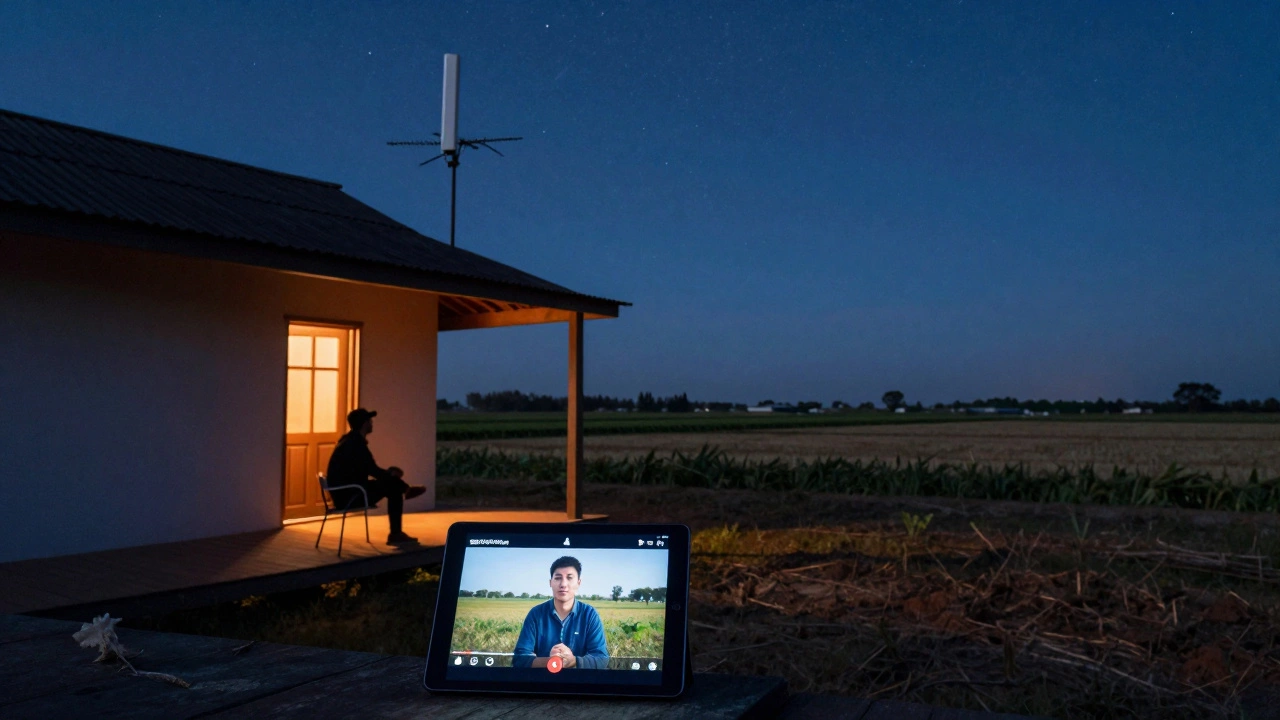
If you grew up in a city, you likely view internet access as something that just exists. In many rural areas, particularly in older country cottages, it used to be a luxury or a gamble. That changed significantly over the last few years. The rollout of full-fiber broadband networks across regions like Ireland, the UK, and parts of North America has turned previously isolated properties into viable hubs for remote work.
However, "rural" is not a monolith. Just because a house is outside the city limits doesn't mean it has gigabit speeds. Before buying or renting, you must verify the specific infrastructure. Satellite internet options like Starlink have become a reliable backup, but they come with latency issues that can ruin video calls. Fiber-to-the-premises (FTTP) remains the gold standard. If a cottage lacks fiber and satellite coverage is spotty due to tree cover or terrain, working from home becomes a daily battle rather than a lifestyle choice.
You also need to consider mobile signal strength. Emergency services rely on cell towers. If your phone drops to one bar inside the cottage, you are at risk. Many modern buyers now install signal boosters as part of their initial renovation budget. It is an unglamorous necessity, but it bridges the gap between isolation and safety.
Energy Independence and the Cost of Comfort
Living in a cottage often means dealing with older building materials. Stone and timber are beautiful, but they are terrible insulators by modern standards. This leads to the second major hurdle: heating. In 2026, energy prices remain volatile, and relying solely on oil or gas for heat in a drafty stone cottage is financially unsustainable for most households.
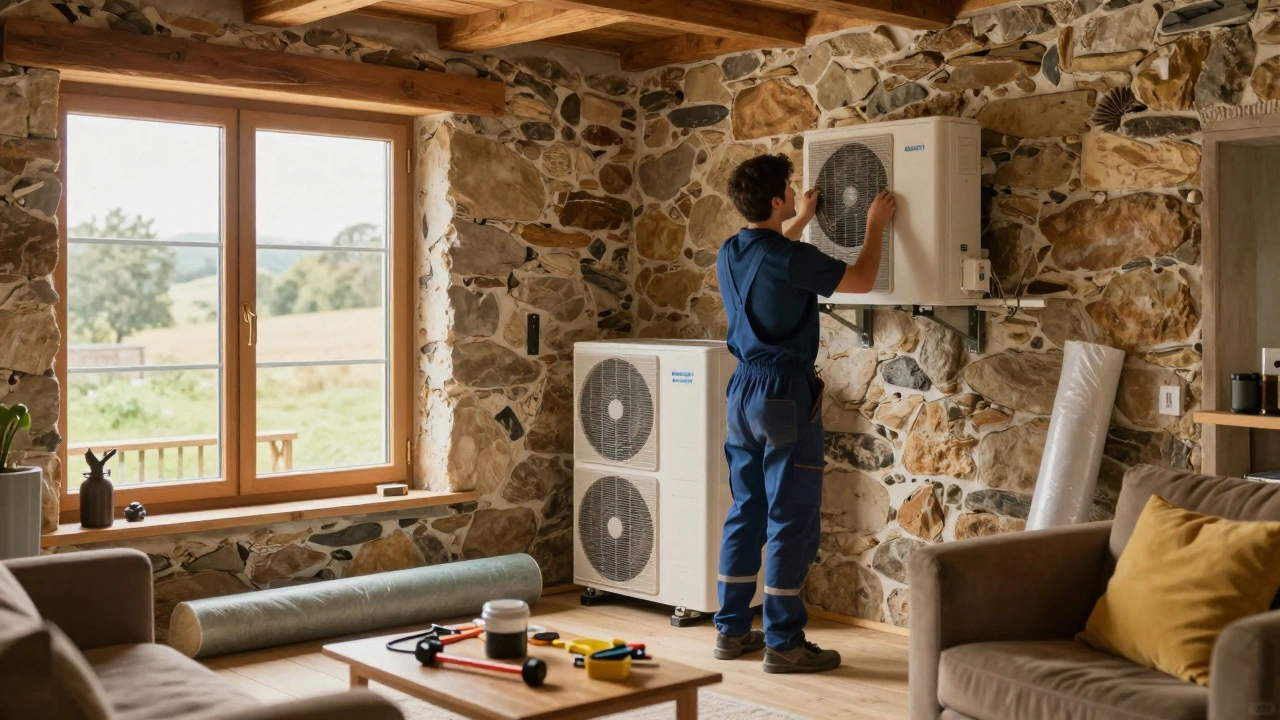
The solution lies in retrofitting. Heat pumps have become the default recommendation for eco-friendly heating. They extract warmth from the air or ground and circulate it indoors. While the upfront cost is high-often ranging from €15,000 to €30,000 depending on the system size-the long-term savings and government grants make them a smart investment. Pair this with improved insulation, such as internal wall lining or triple-glazed windows, and you create a thermal envelope that keeps the cold out without burning through fuel.
Solar panels add another layer of independence. A typical cottage roof can support a 4-6 kW solar array, which might cover 30-50% of your annual electricity usage. Combined with battery storage, you reduce your reliance on the grid. This is crucial during winter storms when power outages are more common in rural lines. An uninterruptible power supply (UPS) for your router and essential appliances ensures you stay connected and warm even when the grid goes down.
| Heating Type | Upfront Cost | Maintenance Needs | Best For |
|---|---|---|---|
| Air Source Heat Pump | High (€15k-€25k) | Low (Annual check) | Well-insulated homes, long-term owners |
| Oil Boiler | Medium (€5k-€8k) | Medium (Annual service) | Older properties without insulation upgrades |
| Biomass Stove | Medium (€3k-€6k) | High (Daily ash removal) | Ambiance lovers with wood access |
| Electric Radiators | Low (€200-€500 per unit) | None | Renters or small spaces |
The Reality of Maintenance: More Than Just Chores
In a city apartment, if your toilet breaks, you call a handyman who arrives in two hours. In a remote cottage, that same repair might require scheduling a specialist who travels from the nearest town three days a week. This delay affects everything from plumbing to electrical work.
You need to develop a basic toolkit and skill set. Learning how to unclog a drain, reset a circuit breaker, or patch a minor roof leak is not optional; it is part of the job description of being a rural homeowner. If you rely entirely on professionals, you will face higher costs due to travel fees and limited availability.
Water supply is another critical factor. Many cottages use private wells rather than municipal water. This means you are responsible for testing the water quality annually for bacteria and minerals. If the well runs dry or gets contaminated, you cannot simply wait for the utility company to fix it. You need a backup plan, such as storing bottled water or having a connection to a neighbor’s line. Similarly, wastewater management often involves septic tanks. These require pumping every few years. Ignoring this leads to environmental hazards and expensive repairs. Check local regulations regarding septic tank placement and treatment standards before purchasing.
Community vs. Isolation: The Social Contract
People move to cottages for peace, but they often underestimate the importance of community. Total isolation can lead to loneliness, especially for those used to the spontaneous social interactions of urban life. The key is finding a balance. Look for cottages within a 15-minute drive of a village center or a larger town.
This proximity allows you to enjoy the quiet of nature while still accessing groceries, healthcare, and social events. Joining local groups-whether it’s a gardening club, a hiking group, or a volunteer fire brigade-helps integrate you into the area. Rural communities tend to be tight-knit. Being seen around town, helping neighbors, and participating in local traditions builds a support network that is invaluable during emergencies.
Don’t ignore the digital community either. Online forums for rural living, remote workers, and specific hobbyists provide a space to share tips and vent frustrations. Knowing that others are dealing with the same challenges, from slow mail delivery to wildlife damage, normalizes the experience and provides practical solutions.
Financial Considerations: Hidden Costs of Rural Living
Cottages often appear cheaper than city houses, but the total cost of ownership tells a different story. Property taxes may be lower, but insurance premiums can be higher due to the distance from fire stations and the age of the building. Make sure your policy covers specific rural risks, such as flooding, subsidence, and lack of mains drainage.
Transportation costs also rise. If you don’t live near public transit, you are dependent on your car. Fuel expenses, vehicle maintenance, and potential repairs add up quickly. Electric vehicles (EVs) are a great option, provided you have off-street parking to install a charger. Relying on public charging stations in rural areas can be inconvenient and costly.
Renovation budgets should always include a 20% contingency fund. Old buildings hide surprises. You might open a wall and find structural rot, outdated wiring, or asbestos. Having extra cash on hand prevents these discoveries from derailing your plans or forcing you into debt.
Is Cottage Living Right for You?
Deciding to live in a cottage is a lifestyle choice, not just a real estate decision. It suits those who value autonomy, nature, and self-sufficiency. It is less suitable for those who crave constant convenience, immediate access to entertainment, or minimal responsibility for their living environment.
Ask yourself these questions:
- Am I comfortable handling basic repairs myself?
- Can I tolerate delays in services and deliveries?
- Do I have a stable remote work setup with reliable internet?
- Am I prepared for the physical effort of maintaining land and gardens?
- Do I value quiet over convenience?
If you answered yes to most of these, a cottage could offer the freedom and tranquility you seek. If not, you might find the reality frustrating. Test the waters first. Rent a cottage for a month or two. Experience the winter darkness, the summer bugs, and the silence. See if it fits your rhythm. Only then commit to the purchase or long-term lease.
What are the biggest challenges of living in a cottage in 2026?
The primary challenges are ensuring reliable high-speed internet for remote work, managing high energy costs due to poor insulation in older buildings, and dealing with delayed emergency services or tradespeople. Water and waste management via private wells and septic tanks also require regular maintenance.
Is it possible to work remotely from a rural cottage?
Yes, provided you have access to fiber-optic broadband or a strong satellite connection like Starlink. Always test the internet speed at the specific property before committing. Latency can be an issue for video conferencing with satellite-only setups.
How much does it cost to retrofit an old cottage for modern living?
Retrofitting costs vary widely but typically range from €20,000 to €60,000+ depending on the scope. Key investments include installing a heat pump (€15k-€25k), adding insulation, upgrading windows, and potentially installing solar panels. Government grants may offset some of these costs.
Do I need special insurance for a countryside cottage?
Yes. Standard home insurance may not cover rural-specific risks. Look for policies that include coverage for flood, subsidence, lack of central heating, and absence of mains drainage. Premiums are often higher due to the distance from fire stations.
How do I handle waste disposal if there is no trash collection?
Many rural areas require residents to take their trash to designated transfer stations. Some communities offer weekly bin collections, but frequency varies. Composting organic waste is highly recommended to reduce volume. Check local council rules for recycling and hazardous waste disposal.