Farmhouse-Cottage Style Mixer
Your Style Balance
A balanced mix creates a grounded yet whimsical space that feels both structured and cozy.
- Neutral color palette with clean lines
- Layered textiles and natural textures
Picture this: you walk into a living room that feels like a warm hug. There’s the sturdy, weathered charm of a barn door, but it opens onto a space filled with delicate floral prints and soft, mismatched cushions. It doesn’t feel chaotic; it feels intentional. This is the magic of mixing farmhouse and cottage styles. For years, these two aesthetics were treated as rivals in the design world. One was all about clean lines and industrial grit; the other was obsessed with clutter, color, and coziness. But today, homeowners are tired of choosing sides. They want the structure of the farm and the soul of the cottage.
The short answer is yes, you can absolutely mix them. In fact, doing so might be the secret to creating a home that feels lived-in rather than staged. The key isn’t just throwing random pieces together. It’s about understanding where these styles overlap and where they diverge. When you get the balance right, you create a space that is grounded yet whimsical, practical yet deeply personal.
Understanding the DNA of Each Style
To mix these styles effectively, you first need to know what makes each one tick. Think of it like cooking. If you don’t know how garlic behaves versus ginger, your dish will lack depth. Similarly, knowing the core attributes of farmhouse and cottage design helps you blend them without losing their individual identities.
Farmhouse style is rooted in utility. Originating from working farms, its primary goal was function. Everything had a purpose. That’s why you see open shelving for dishes, large sinks for washing produce, and durable materials like stone and reclaimed wood. The aesthetic is often neutral, relying on whites, creams, and grays to make spaces feel airy and clean. It’s structured, somewhat symmetrical, and leans towards minimalism, though a curated kind of minimalism.
On the other hand, Cottage style (often associated with the 'cottagecore' movement) is rooted in comfort and nostalgia. It draws inspiration from rural English villages or fairy tales. Here, function takes a backseat to feeling. Walls are covered in wallpaper with intricate patterns. Furniture is upholstered in velvet or linen. There’s an emphasis on layers-rugs on rugs, curtains on windows, books stacked on tables. It’s asymmetrical, colorful, and embraces 'clutter' as a sign of a life well-lived.
| Attribute | Farmhouse Style | Cottage Style |
|---|---|---|
| Color Palette | Neutral (White, Cream, Gray) | Earthy & Floral (Sage, Dusty Pink, Mustard) |
| Materials | Reclaimed Wood, Metal, Stone | Linen, Velvet, Wicker, Lace |
| Layout | Structured, Symmetrical | Organic, Asymmetrical |
| Decor Approach | Curated Minimalism | Layered Abundance |
| Vibe | Clean, Rustic, Practical | Cozy, Whimsical, Nostalgic |
The Sweet Spot: Where Farmhouse Meets Cottage
So, how do you bridge the gap between 'barn chic' and 'storybook charm'? The secret lies in the middle ground. Both styles share a deep love for natural materials and a rejection of sterile, modern perfection. They both value authenticity. This shared foundation is your anchor.
Start with the bones of the room. Use the farmhouse approach for the hard surfaces. Keep your walls light and airy-perhaps a crisp white or a soft off-white. Install wide-plank flooring or use vintage-style tiles. These elements provide the clean canvas that prevents the cottage elements from overwhelming the space. Without this structure, a mixed style can quickly descend into visual noise.
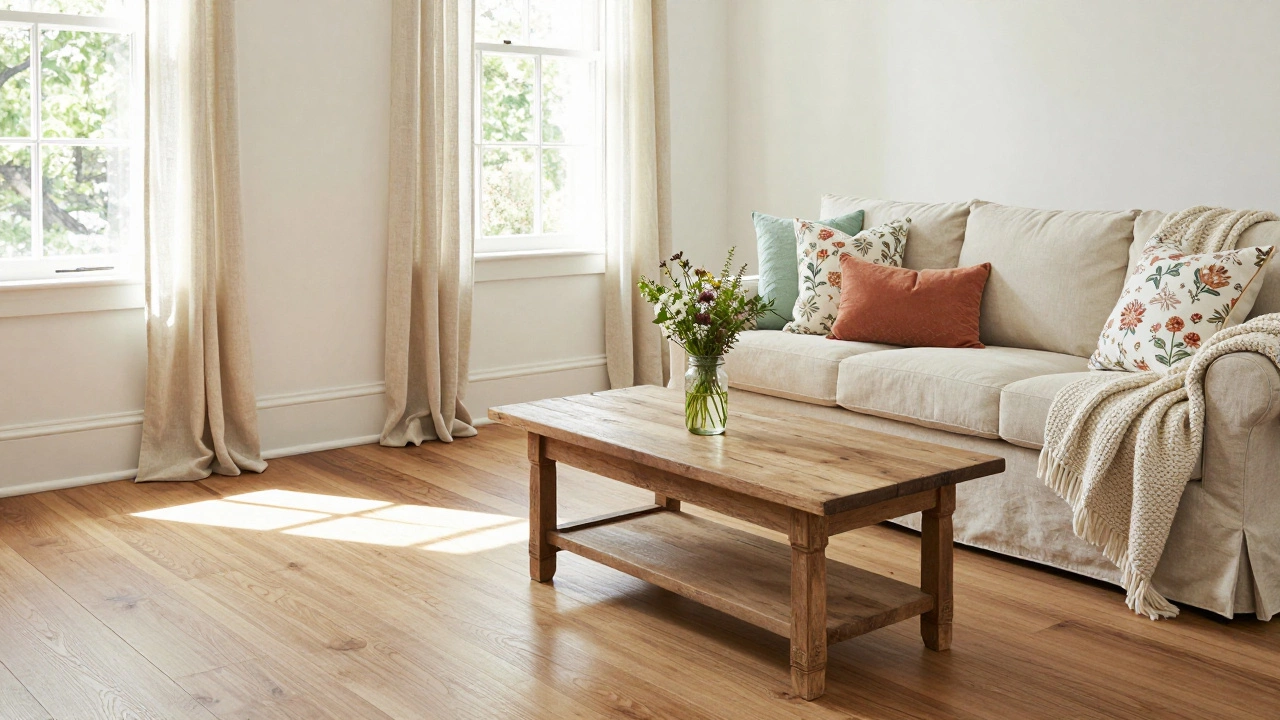
Once the structure is set, bring in the cottage soul through textiles and decor. This is where you introduce pattern and texture. A solid, white farmhouse sofa becomes inviting when draped with a chunky knit throw and adorned with pillows in floral chintz or gingham. The contrast between the clean lines of the furniture and the busy patterns of the fabrics creates visual interest without chaos.
Lighting is another crucial intersection point. Farmhouses often feature exposed bulbs or simple metal fixtures. Cottages prefer lanterns with stained glass or ceramic shades. You can mix these by choosing a fixture that has a rustic metal frame (farmhouse) but incorporates frosted glass or a warm, dimmable bulb (cottage). Avoid harsh, cool-toned LED lights. Stick to warm white bulbs to maintain the cozy atmosphere essential to both styles.
Practical Tips for Blending the Two
Mixing styles requires a strategic eye. You aren’t just decorating; you’re curating a narrative. Here are some actionable ways to achieve this balance in your own home.
- Use Color as a Bridge: While farmhouse is neutral, it doesn’t have to be boring. Introduce muted earth tones found in cottage palettes-sage green, terracotta, or navy blue. Use these colors in accessories like vases, blankets, or even an accent wall. This softens the starkness of the farmhouse base while keeping the sophistication intact.
- Mix Textures, Not Just Patterns: Cottage style loves lace and velvet. Farmhouse loves leather and raw wood. Pair a distressed wooden dining table (farmhouse) with upholstered bench seating in a soft, textured fabric (cottage). The tactile difference adds depth to the room.
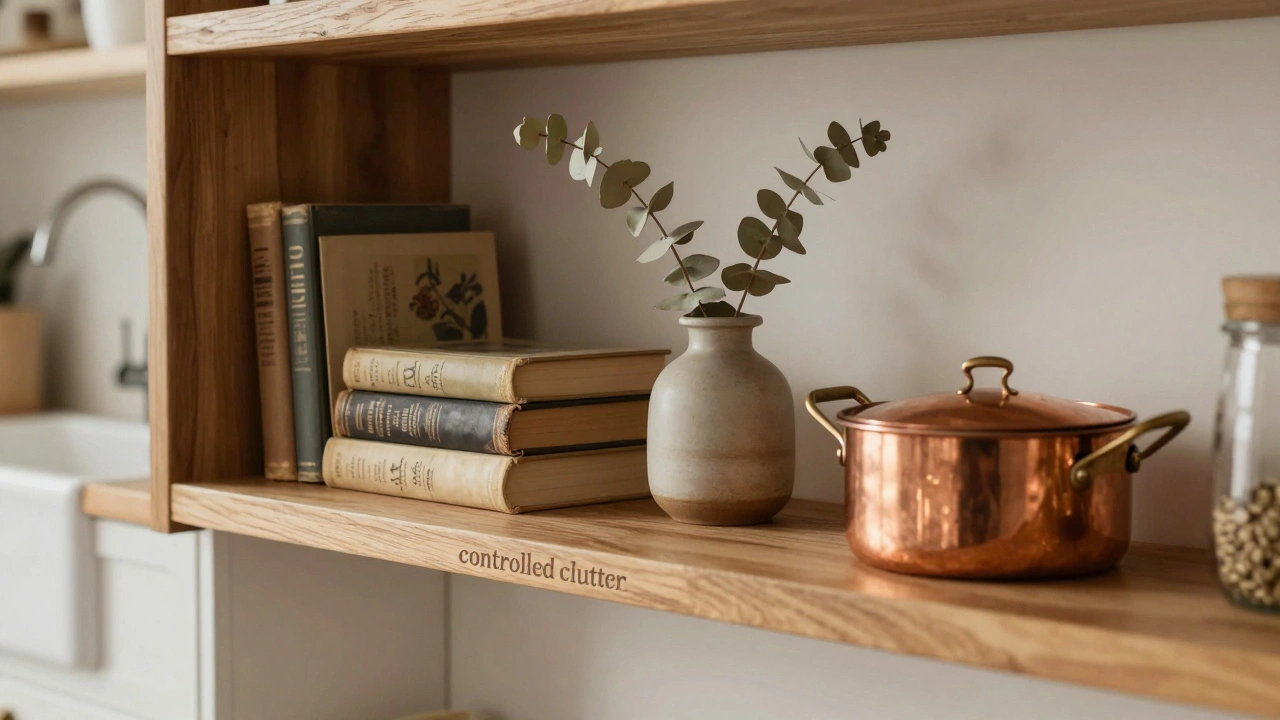
- Embrace 'Controlled Clutter': Farmhouse shelves are usually sparse, displaying only a few meaningful items. Cottage shelves are packed. Find a middle ground. Group items in threes. Place a stack of old books next to a single dried flower arrangement and a small ceramic jar. It feels collected, not crowded.
- Choose Furniture with Character: Look for pieces that show wear. A farmhouse table with visible knife marks tells a story of family meals. A cottage armchair with faded upholstery suggests countless afternoons spent reading. Avoid brand-new, mass-produced furniture unless it’s specifically designed to look aged.
- Incorporate Nature Indoors: Both styles are deeply connected to the outdoors. Bring in fresh flowers, potted herbs, or branches. A mason jar (farmhouse staple) holding wildflowers (cottage staple) is the perfect embodiment of this mix.
Common Pitfalls to Avoid
Even with the best intentions, mixing styles can go wrong. I’ve seen too many homes try this and end up looking like a flea market explosion. Here’s how to avoid those mistakes.
First, don’t fight the architecture. If your home has high ceilings and large windows, lean more into the farmhouse aspect. If it has low beams and cozy nooks, let the cottage elements shine. Trying to force a heavy, dark cottage vibe into a bright, open-concept farmhouse space will feel disjointed. Work with what you have.
Second, watch out for scale. Cottage decor often features small, delicate items-tiny figurines, miniature frames, dainty trinkets. Farmhouse decor tends to be larger and bolder-big signs, large mirrors, substantial furniture. If you fill a spacious room with only tiny cottage items, it will feel lost. Balance the scales by anchoring delicate pieces with larger, sturdier ones.
Third, resist the urge to match everything. A common mistake is buying a 'set' of furniture or decor. Real homes evolve over time. Your collection should look like it grew organically. Mix a vintage mirror with a modern lamp. Pair a rustic chest with a sleek side table. The lack of uniformity is what makes the style feel authentic.
Room-by-Room Breakdown
Different rooms serve different purposes, so the ratio of farmhouse to cottage might shift depending on the space. Let’s look at how this plays out in key areas of the home.
The Kitchen: This is the heart of the farmhouse aesthetic. Keep the cabinets simple and painted white or gray. Use open shelving for everyday dishes. However, soften the edges with cottage touches. Add a runner rug with a subtle pattern. Display fresh produce in ceramic bowls rather than plastic containers. Hang copper pots for a touch of warmth. The kitchen should feel efficient but welcoming.
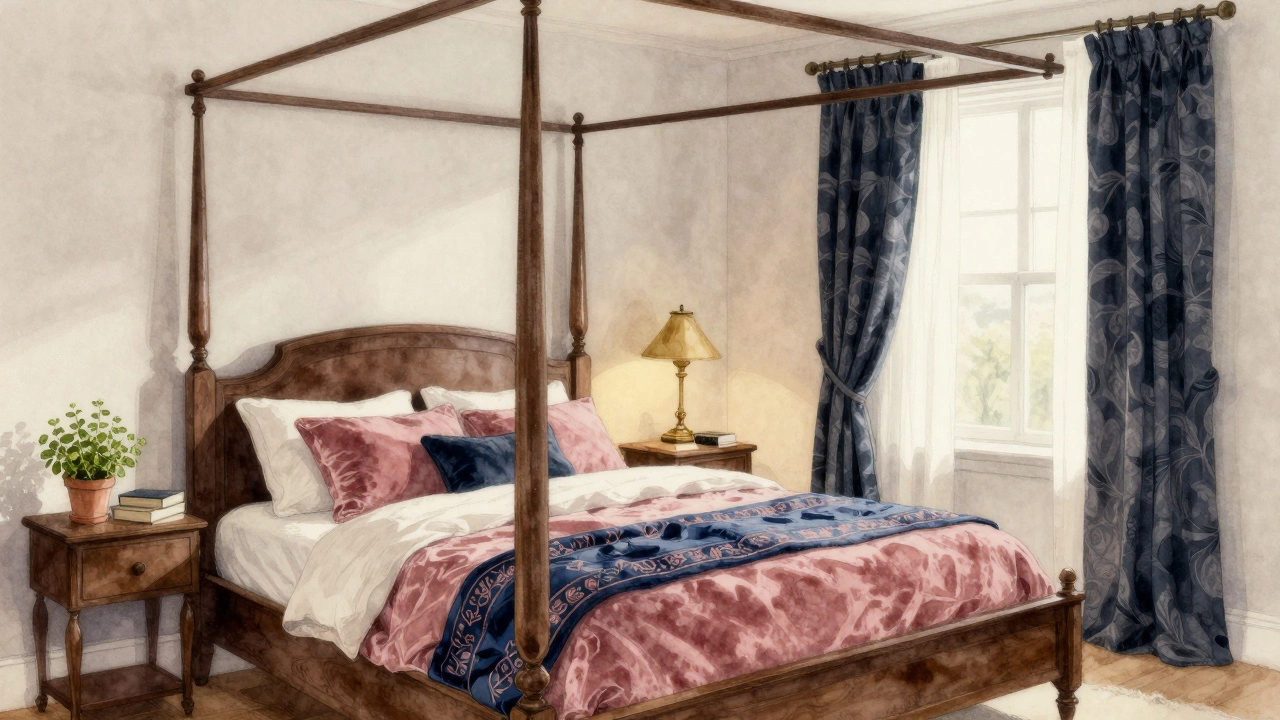
The Bedroom: This is where cottage style truly shines. Prioritize comfort. Choose a bed with a upholstered headboard or a four-poster frame. Layer multiple duvets and throws in varying textures. Use blackout curtains with a floral lining. On the nightstands, place vintage lamps and stacks of books. Keep the dresser top relatively clear to maintain some farmhouse order, but let the bedding be the star.
The Living Room: Aim for a balanced conversation between the two styles. Start with a sturdy, neutral-colored sofa. Add a coffee table made of reclaimed wood. Then, layer in the cottage elements: a Persian-style rug, framed botanical prints on the walls, and shelves filled with plants and curiosities. Ensure there’s plenty of seating that invites lounging, not just sitting upright.
Sourcing Pieces for Your Mixed-Style Home
You don’t need to spend a fortune to achieve this look. In fact, high-end retail stores often miss the mark on authenticity because everything looks too new. The best pieces come from unexpected places.
Visit local thrift stores and antique shops. Look for solid wood furniture that can be refinished. A plain wooden chair can become a farmhouse staple with a coat of matte paint. A floral dress from the 1980s can be turned into cushion covers for a cottage touch. Estate sales are goldmines for finding unique ceramics, mirrors, and linens.
Don’t overlook your own home. Raid your attic or basement for forgotten treasures. An old trunk, a grandfather’s toolbox, or a grandmother’s quilt can add immense character. These items have history, which is exactly what both farmhouse and cottage styles crave.
If you must buy new, look for brands that specialize in 'distressed' or 'vintage-inspired' designs. Pay attention to the materials. Solid wood and natural fibers will age gracefully, whereas particle board and synthetic fabrics will look cheap as soon as they wear out.
Why This Mix Works in 2026
We are living in a time of digital saturation. Our screens are bright, fast, and overwhelming. As a result, our homes have become sanctuaries where we seek slowness and authenticity. The pure farmhouse style can sometimes feel too cold or Instagram-perfect. The pure cottage style can feel too cluttered or impractical for modern life.
Mixing the two offers the best of both worlds. It provides the calm, organized backdrop we need to decompress (farmhouse) while offering the sensory richness and personal expression we crave (cottage). It’s a style that acknowledges our desire for simplicity without sacrificing our humanity. It’s not just a trend; it’s a response to how we actually live.
As you start your project, remember that there are no strict rules. Design is personal. If you love a specific piece of art or a quirky lamp, include it. The goal is to create a space that reflects who you are, not just what’s popular in magazines. Trust your instincts. If it feels right, it probably is.
Is it expensive to mix farmhouse and cottage styles?
Not necessarily. Both styles thrive on vintage and second-hand finds. Thrift stores, estate sales, and online marketplaces like eBay or Facebook Marketplace are great sources for affordable, authentic pieces. The key is investing in quality basics (like a good sofa) and accessorizing with budget-friendly items (like pillows and rugs).
What color palette works best for a mixed farmhouse-cottage home?
Aim for a neutral base with earthy accents. Start with whites, creams, and light grays for walls and large furniture. Then, introduce colors like sage green, dusty rose, mustard yellow, or navy blue through textiles, artwork, and smaller decor items. This keeps the space feeling cohesive and calm.
How do I keep the space from looking too cluttered?
Edit ruthlessly. While cottage style embraces abundance, it shouldn't feel messy. Use storage solutions like baskets and bins to hide everyday clutter. Display only your favorite items. Leave some negative space on shelves and surfaces to let the eye rest. Remember, less can still be cozy.
Can I mix these styles in a small apartment?
Absolutely. In smaller spaces, lean more towards the farmhouse side for the structure (light colors, multi-functional furniture) and use cottage elements sparingly for coziness (soft lighting, a few patterned textiles). Avoid large, bulky furniture that overwhelms the room.
What are the biggest mistakes people make when mixing these styles?
The most common mistake is lacking a unifying element. Without a consistent color palette or material theme, the room can look disjointed. Another error is ignoring scale, placing tiny cottage items in a large, open farmhouse-style room, which makes them disappear. Always ensure your decor balances the proportions of the space.