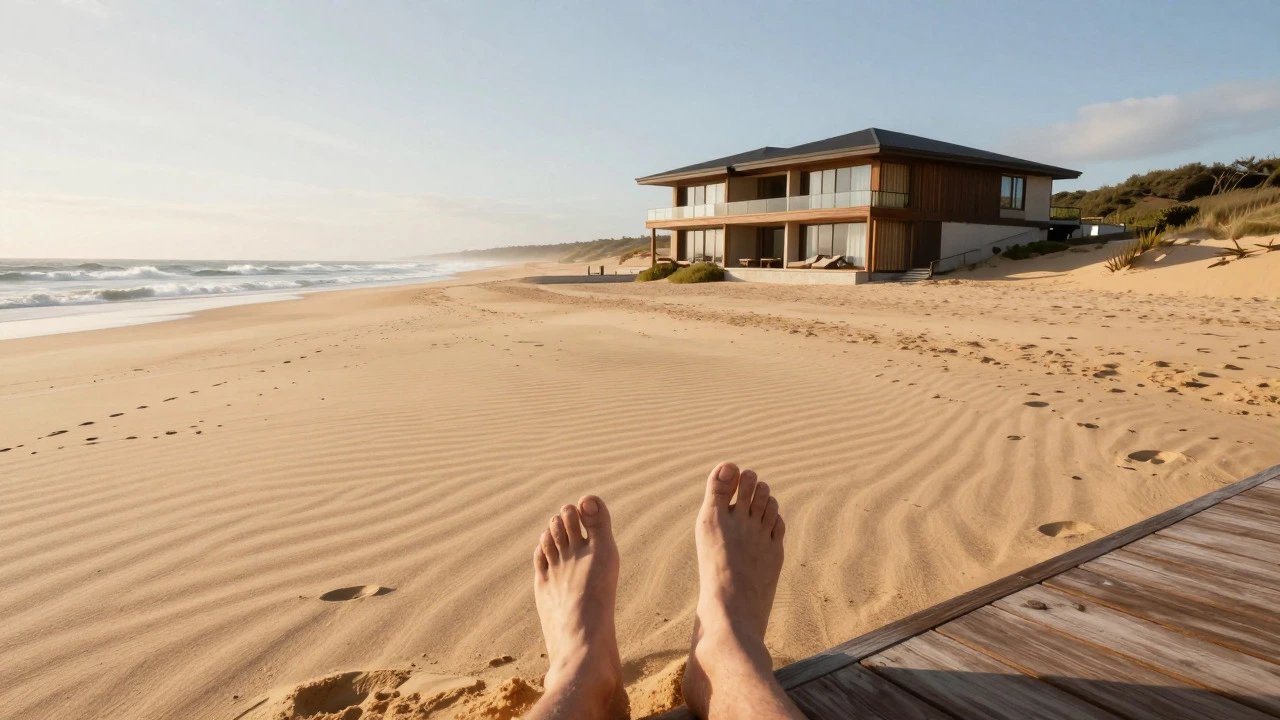
Picture this: you’re booking a holiday home for next summer. The listing says “seaside,” but when you arrive, there’s a parking lot, a row of shops, and a twenty-minute walk to the sand. You feel cheated. Now imagine another place labeled “beachfront.” You step out your door, and your toes hit the sand immediately. That is the gap between marketing language and reality.
The terms beachfront and seaside sound similar, but they mean very different things in the world of travel and real estate. One promises direct access; the other just promises proximity. Knowing the difference can save you from a disappointing vacation or help you find that perfect spot where the sound of waves is your morning alarm.
Defining Beachfront: Zero Distance to Sand
Beachfront property is accommodation located directly on the edge of a beach, with no physical barriers like roads, sidewalks, or buildings between the structure and the shoreline. Also known as direct beach access, it means if you open your front door or balcony, you are looking at the water and walking onto the sand within seconds.
This is the gold standard for beach lovers. If a hotel or cottage is truly beachfront, you do not need shoes to get to the tide line. You might have to cross a small wooden deck or a few steps, but there is no street traffic, no commercial zone, and no private garden blocking your path.
In places like Dublin or along the Wild Atlantic Way, true beachfront spots are rare and premium. Think of a chalet right on the dunes at Howth or a luxury suite overlooking Galway Bay where the only thing separating you from the Atlantic is the sand itself. The value here is convenience and immersion. You are part of the landscape, not just near it.
- Direct Access: No roads or parking lots to cross.
- View: Unobstructed panoramic views of the ocean.
- Noise: Dominated by waves and wind, not traffic.
- Cost: Typically 20-50% higher than nearby non-beachfront options.
Understanding Seaside: Proximity Without Promise
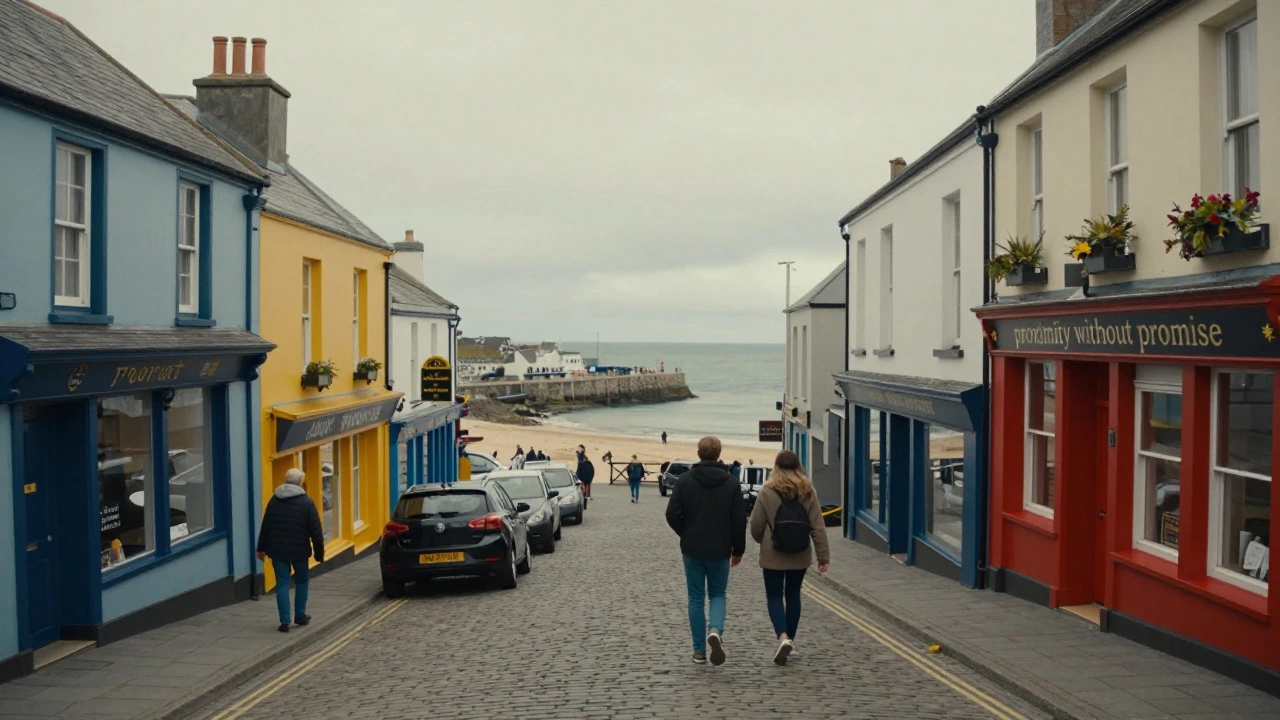
Seaside accommodation is lodging located in a coastal town or village, generally within walking distance of the sea, but not necessarily adjacent to the beach. This term is broader and often used as a catch-all for any property in a coastal region.
A seaside hotel might be two blocks inland. It could be behind a row of restaurants, across a main road, or tucked into a residential area that slopes down toward the harbor. The key attribute of "seaside" is location context-it is in a coastal setting-but it lacks the specific guarantee of immediate beach contact.
Why does this matter? Because "seaside" can mean many things. In some contexts, it refers to properties with a view of the sea from a high vantage point, even if the beach is far below. In others, it simply means the town has a coastline. For example, a charming B&B in Kinsale might be described as seaside because the town is famous for its harbor, but you still need to drive or take a bus to reach the actual sandy beaches like Barleycove.
- Access: Requires walking, cycling, or driving to reach the beach.
- View: May include partial views, harbor sights, or no water view at all.
- Noise: Likely includes street noise, local businesses, and tourist activity.
- Cost: More affordable; offers better value for budget-conscious travelers.
The Hidden Costs and Benefits of Each Choice
Choosing between beachfront and seaside isn’t just about geography; it’s about lifestyle and budget. Let’s break down what you actually pay for in each scenario.
Beachfront Premiums: When you book a beachfront room, you are paying for exclusivity and time. You save time packing and unpacking gear every day. You gain privacy that inland properties rarely offer. However, you also pay for maintenance. Salt air corrodes metal, humidity damages wood, and sand gets everywhere. Beachfront properties often charge extra for these upkeep costs. Additionally, insurance rates are higher due to storm risks, which is passed on to the guest.
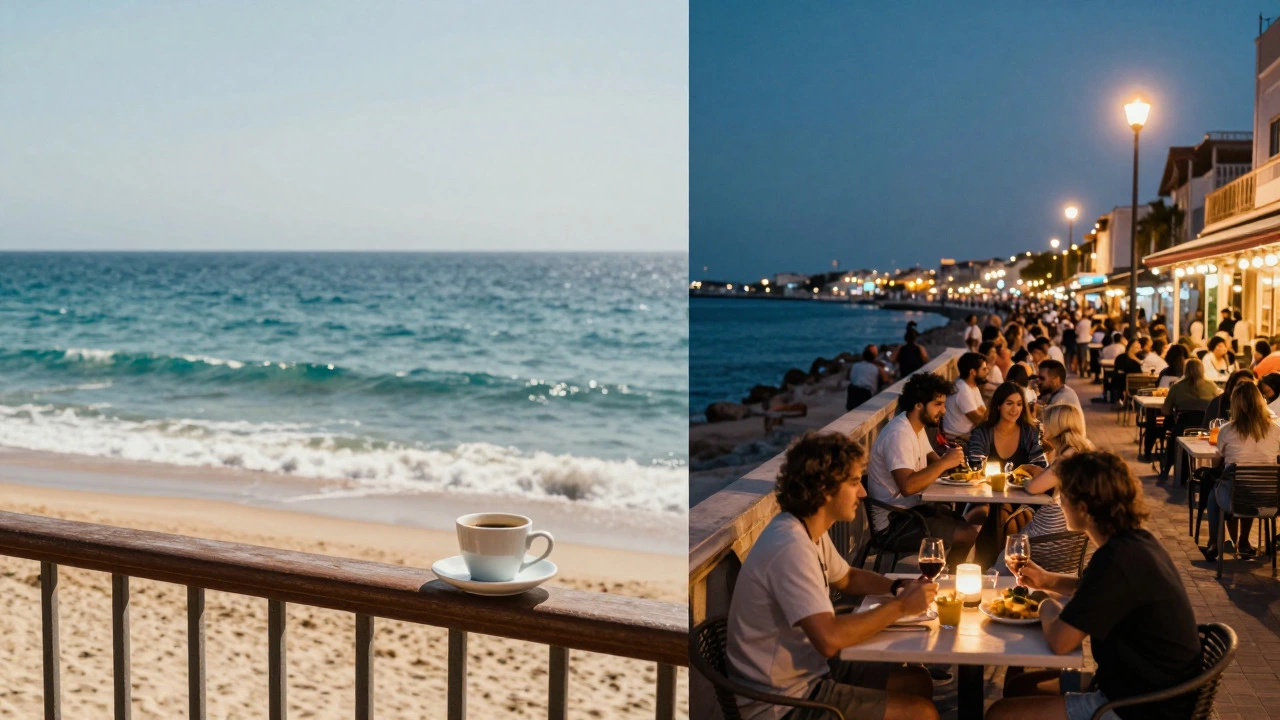
Seaside Value: Seaside locations often provide a richer cultural experience. You are closer to pubs, restaurants, and shops. If you want to explore the town rather than just lie on the sand, seaside is superior. You avoid the constant erosion risk and the noise of early morning beachgoers. Plus, prices drop significantly once you move just one or two streets away from the shore.
| Feature | Beachfront | Seaside |
|---|---|---|
| Distance to Sand | 0 meters (Direct) | 100m - 2km+ (Varies) |
| Price Range | High (Premium) | Low to Medium (Value) |
| Primary View | Ocean/Waves | Town/Harbor/Garden |
| Best For | Relaxation, Privacy, Swimmers | Sightseeing, Dining, Budget Travel |
| Accessibility | Often difficult (sand/dunes) | Easier (paved roads/sidewalks) |
How to Spot Fake "Beachfront" Listings
Marketing teams love ambiguity. Here is how to tell if a listing is truly beachfront or just using clever words to hide its distance.
- Check the Map Overlay: Never trust the photo alone. Use Google Maps satellite view. Look for the building footprint. Is it touching the blue water or brown sand? If there is a gray strip (road) or green strip (park/garden) between the building and the sand, it is not beachfront.
- Read the Fine Print: Phrases like “steps from the beach,” “near the coast,” or “coastal views” are red flags for non-beachfront properties. True beachfront listings will say “direct beach access,” “on the sand,” or “first row.”
- Look for Street Names: If the address includes a main road name (e.g., “Main St,” “Ocean Drive”), check if the property faces the road or the sea. Many properties face the road for easy car access, meaning the back might face the sea, but you still have to walk around the building.
- Review Guest Photos: Professional photos are staged. User-generated photos show reality. Look for windows in user photos. Do they show sand directly outside, or do they show a neighbor’s roof?
Which One Should You Choose?
Your choice depends entirely on your travel goals. There is no universally "better" option, only the right fit for your trip.
Choose Beachfront If: You are traveling with young children who need constant supervision near water. You want to swim multiple times a day without changing clothes or carrying bags. You prioritize silence and natural sounds over nightlife. You are celebrating a special occasion like an anniversary where romance and privacy are top priorities.
Choose Seaside If: You plan to spend most of your time exploring the town, visiting museums, or dining out. You are on a tighter budget and want to allocate funds to experiences rather than accommodation. You prefer easy access to taxis, buses, and restaurants without walking through sand. You enjoy the social atmosphere of a bustling coastal town.
Real-World Examples: Ireland’s Coastline
To make this concrete, let’s look at how this plays out in Irish coastal towns, which serve as great examples due to their varied geography.
In Dingle, a beachfront property might be a cottage perched on the cliffs above Inch Beach. While technically close, the access involves steep paths. A seaside hotel in Dingle town center puts you within walking distance of restaurants but requires a short drive or taxi to reach the sand. The trade-off is clear: culture versus convenience.
In Galway, true beachfront is scarce because the city is built around a river estuary and harbors. Most “seaside” hotels here offer views of the River Corrib or Salthill Promenade. To get actual beachfront, you must travel to areas like Barna or Tynagh, where properties sit directly on the Atlantic-facing beaches. These command significantly higher prices during peak season.
Understanding these nuances helps you navigate booking sites more effectively. Instead of filtering blindly by “seaside,” refine your search based on whether you need direct sand access or just a coastal vibe.
Tips for Booking Coastal Accommodation
Once you know what you want, use these strategies to secure the best deal and avoid surprises.
- Book Early for Beachfront: Direct beachfront properties are limited. In popular destinations, they sell out months in advance. Seaside options remain available longer.
- Negotiate Rates for Off-Season: Seaside properties often drop prices drastically in winter. Beachfront properties hold value better but may offer discounts for long stays.
- Ask About Noise Policies: Even beachfront properties can be noisy if they host parties. Check house rules. Seaside properties in town centers may have late-night street noise.
- Verify Accessibility Needs: If mobility is a concern, seaside properties with paved sidewalks are often easier to navigate than beachfront properties requiring walks over uneven sand or dunes.
Ultimately, the difference between beachfront and seaside is the difference between living in nature and living near nature. Both have merit. But knowing which one you actually need ensures your holiday matches your expectations, not just the brochure.
Is beachfront always more expensive than seaside?
Generally, yes. Beachfront properties command a premium due to limited supply and high demand. However, in less popular coastal areas, the price difference may be minimal. During off-peak seasons, seaside properties can sometimes offer better overall value if you factor in dining and entertainment costs.
Can a seaside property have a beach view?
Yes. A seaside property might be located on a hill or elevated area, offering a panoramic view of the ocean and beach from a distance. However, you will still need to travel to reach the sand physically. Always check floor levels and window orientations in photos.
What should I look for in reviews to confirm beach access?
Look for comments mentioning “walking distance,” “crossing the road,” or “shuttle service.” If guests mention needing a car or taking a bus to the beach, it is not beachfront. Positive mentions of “stepping onto the sand” or “toes in the water” confirm true beachfront status.
Are beachfront properties suitable for families with toddlers?
They can be, but safety varies. Some beachfront homes have direct gate access to calm waters, which is ideal. Others may have steep drops or rough surf. Always verify the terrain and water conditions for your specific destination. Seaside properties with fenced gardens may be safer for very young children.
Does "oceanfront" mean the same as "beachfront"?
Not necessarily. Oceanfront implies a view of the ocean, which could be from a cliffside, a pier, or a high-rise building. Beachfront specifically implies adjacency to a sandy or pebbly shore. A property can be oceanfront without being beachfront if there is a rocky barrier or significant elevation change.