Love Hotel Hygiene Risk Calculator
Answer these questions to estimate the cleanliness level of a specific property based on industry standards.
Assessment Result
Select options above to see your hygiene risk assessment.
Picture this: you’re in Tokyo, the neon lights are buzzing outside, and you’ve booked a room at a Love Hotel is a type of short-stay accommodation popular in Japan designed for privacy and romance. You step inside. It’s dimly lit, maybe there’s a jacuzzi, and the decor is... intense. Your first thought isn’t about the mood lighting. It’s, "Is this place actually clean?"
It’s a fair question. When we think of hotels where people stay for just an hour or two, often without checking in at a front desk, our minds jump to worst-case scenarios. But does the stereotype match reality? If you’re planning a trip to Japan or just curious about these unique establishments, you need to know what’s really happening behind those soundproof doors.
The Reality of Daily Turnover
The biggest factor keeping love hotels sanitary is frequency. Unlike a standard hotel where a guest might stay for three days, the average stay in a love hotel is between 60 and 180 minutes. This means rooms are turned over constantly. In high-traffic areas like Kabukicho in Tokyo or Shin-Kiba in Osaka, a single room can be cleaned and reset multiple times a day.
This rapid turnover forces a strict cleaning protocol. Housekeeping staff don’t have time to cut corners. They follow a checklist that includes stripping all linens, sanitizing surfaces, and deep-cleaning fixtures before the next guest arrives. Because the business model relies on volume and repeat customers who value discretion, maintaining a baseline of cleanliness is essential for survival. A dirty reputation spreads fast, even among guests who prefer anonymity.
How Cleaning Protocols Work
You won’t find a receptionist handing you keys. Most love hotels use automated check-in systems. You scan a card or insert coins into a machine to get your key. This reduces human contact but also means no one is visually inspecting the room *with* you upon entry. So, how do they ensure quality?
- Automated Systems: Many modern properties use sensors to detect when a room has been vacated, triggering a notification to housekeeping immediately.
- Disposable Amenities: To avoid cross-contamination, many hotels provide sealed, disposable slippers, cups, and sometimes even toilet seat covers. These are thrown out after every use.
- Deep Clean Schedules: Beyond the daily wipe-downs, most establishments schedule weekly or monthly deep cleans. This involves moving furniture, scrubbing carpets, and sanitizing air conditioning vents.
- Third-Party Audits: While not universal, reputable chains hire external inspection teams to audit hygiene standards anonymously.
The goal is to make the room look and smell brand new every time. If you notice stains on the carpet or dust on the ceiling fan, it’s usually a sign of a lower-tier establishment or a rare oversight, not the industry standard.
What to Look For During Your Stay
Even with strict protocols, it’s smart to do a quick visual inspection when you walk in. Here’s what seasoned travelers check:
- The Bathroom: This is the hardest place to fake cleanliness. Check the grout around the tub and shower. Is it mold-free? Are the towels fluffy and dry? Damp towels suggest poor ventilation or rushed drying processes.
- Air Quality: Walk in and take a breath. Does it smell like stale smoke, mildew, or cheap perfume masking odors? A clean room should smell neutral or faintly of citrus/lavender from fresh cleaning agents.
- Floor Condition: Look under the bed and behind the sofa. Dust bunnies here indicate infrequent deep cleaning.
- Fixtures: Check the sink and faucet for water spots or soap scum. These are easy to miss if you’re rushing, but they tell you how thorough the staff was.
If anything feels off, don’t hesitate to call the management line (usually listed on the wall) and request a different room. Most places will accommodate you quickly to avoid negative reviews.
Cultural Context: Why Privacy Matters
To understand why love hotels exist and how they operate, you have to look at Japanese culture. Historically, space in urban Japan is tight. Multi-generational families often live together, leaving little room for private couple time. Love hotels fill a social gap by offering absolute privacy.
This cultural need drives the design. Soundproofing is top-notch. Doors are heavy and seal tightly. Windows are often frosted or covered. The focus is on creating a bubble where guests can relax without worrying about neighbors or judgment. This emphasis on privacy extends to hygiene-guests expect a pristine environment because they’re paying for an exclusive experience, not just a bed.
| Feature | Love Hotel | Standard Hotel |
|---|---|---|
| Average Stay Duration | 1-3 hours | 1-7+ days |
| Room Turnover Frequency | High (multiple times/day) | Low (once per checkout) |
| Check-in Process | Automated/Kiosk | Front Desk/Staff |
| Cleaning Focus | Rapid reset, surface sanitization | Deep clean, linen change |
| Privacy Level | Maximum (soundproof, discreet) | Moderate |
Common Myths Debunked
There are plenty of rumors floating around online. Let’s separate fact from fiction.
Myth: No One Cleans Between Guests.
False. As mentioned, turnover is rapid. Staff are trained to clean efficiently. In some cases, robots are used for floor cleaning in lobbies, though human hands still handle the rooms.
Myth: They Are Only for Affairs.
While they offer privacy, many couples-including married ones-use them for date nights, anniversaries, or simply to escape their small apartments. The stigma is fading, especially among younger generations.
Myth: Bed Bugs Are Common.
Bed bugs are a risk in any hotel worldwide. However, due to the high frequency of cleaning and the short duration of stays, infestations are less likely to establish themselves compared to long-term rentals. Still, always inspect the mattress seams if you’re cautious.
Tips for Choosing a Clean Property
Not all love hotels are created equal. Some are budget-friendly and basic; others are luxury experiences with themed suites. Here’s how to pick a cleaner option:
- Check Recent Reviews: Use apps like TripAdvisor or Google Maps. Look for keywords like "clean," "smell," or "mold." Ignore vague praise; focus on specific mentions of hygiene.
- Look for Chains: Brands like Toyoko Inn (which has some adult-oriented options) or larger regional chains have standardized procedures. Independent mom-and-pop shops vary more in quality.
- Pick Newer Buildings: Older buildings may have outdated plumbing or ventilation systems, which can lead to moisture issues and mold. Newer constructions tend to have better materials and easier-to-clean surfaces.
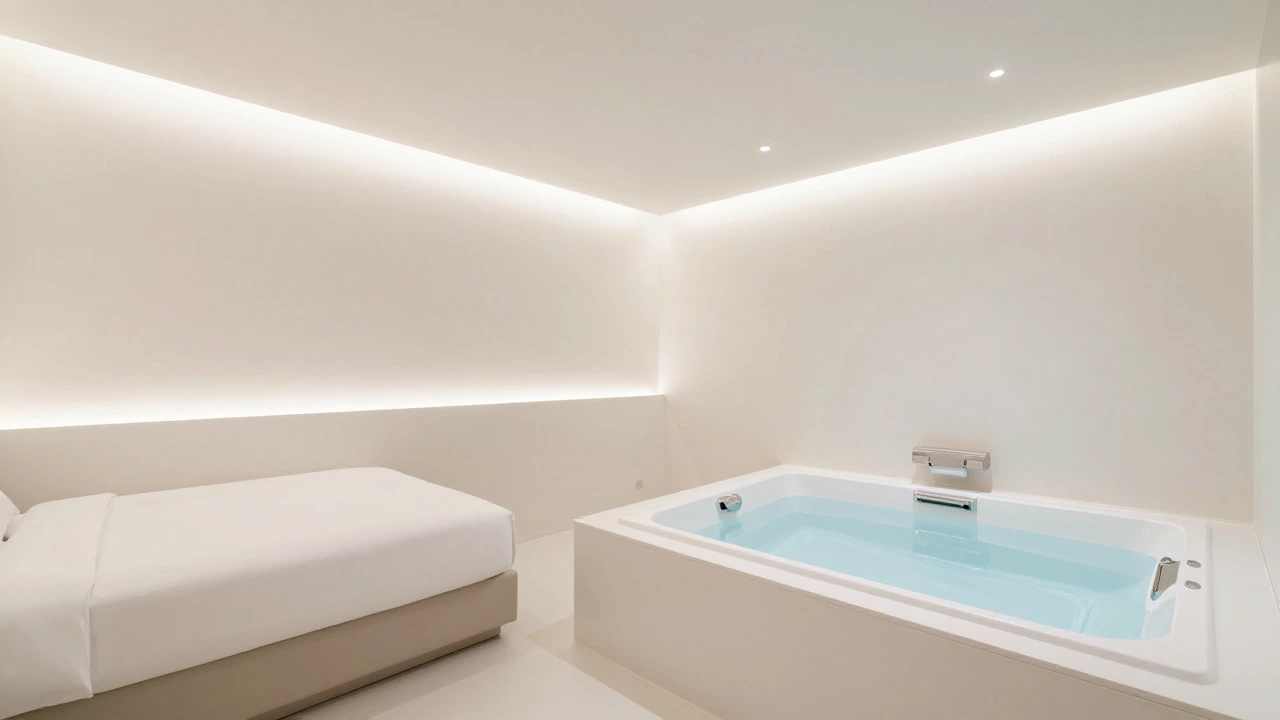
- Avoid Extreme Themes: Rooms with excessive fabric drapes, plush carpets, or complex mechanical features (like moving beds) can harbor dust and bacteria. Simple, modern designs with hard surfaces are easier to sanitize.
Final Thoughts on Safety and Comfort
So, are love hotels sanitary? Generally, yes. The combination of high turnover, strict cleaning routines, and cultural expectations creates an environment that is often cleaner than you might expect. Of course, exceptions exist. Just as you’d research a standard hotel before booking, take a moment to read reviews and trust your instincts when you arrive.
If you’re visiting Japan, embracing the love hotel experience can be a fascinating part of your trip. It’s not just about romance; it’s about understanding a unique aspect of urban life. With a little preparation and awareness, you can enjoy the privacy and novelty without worrying about germs.
Are love hotels safe for solo travelers?
Yes, they are generally safe. The neighborhoods are well-lit and monitored. However, since they are designed for couples, you might feel out of place if you enter alone. Security cameras are common in lobbies but never in rooms.
Do love hotels accept foreign credit cards?
Most modern love hotels accept international credit cards via their automated kiosks. However, it’s wise to carry some cash (Yen) as backup, as older machines may only take domestic cards or coins.
Can I stay overnight in a love hotel?
Yes. Many love hotels offer "stay courses" that allow you to remain until morning (usually 9 AM). Rates are higher than hourly bookings, but you get the same level of privacy and cleanliness.
Is it rude to ask for extra towels?
Not at all. There is usually a button or phone number in the room to request additional amenities. Staff are accustomed to these requests and will deliver them discreetly.
Where are the best love hotels in Tokyo?
Kabukicho in Shinjuku and Shin-Kiba in Edogawa are the two main hubs. Kabukicho is more central and tourist-friendly, while Shin-Kiba offers a wider variety of themed rooms and is closer to the bay area.