Sustainable Living: Real Ways to Live Green in Cottages and Resorts
When we talk about sustainable living, a way of life that reduces environmental impact through mindful choices in energy, waste, and consumption. Also known as green living, it’s not about perfection—it’s about progress. You don’t need a $1 billion net-zero mansion to do it right. You just need to start somewhere, like choosing a cabin that runs on solar power or asking if your resort filters its water.
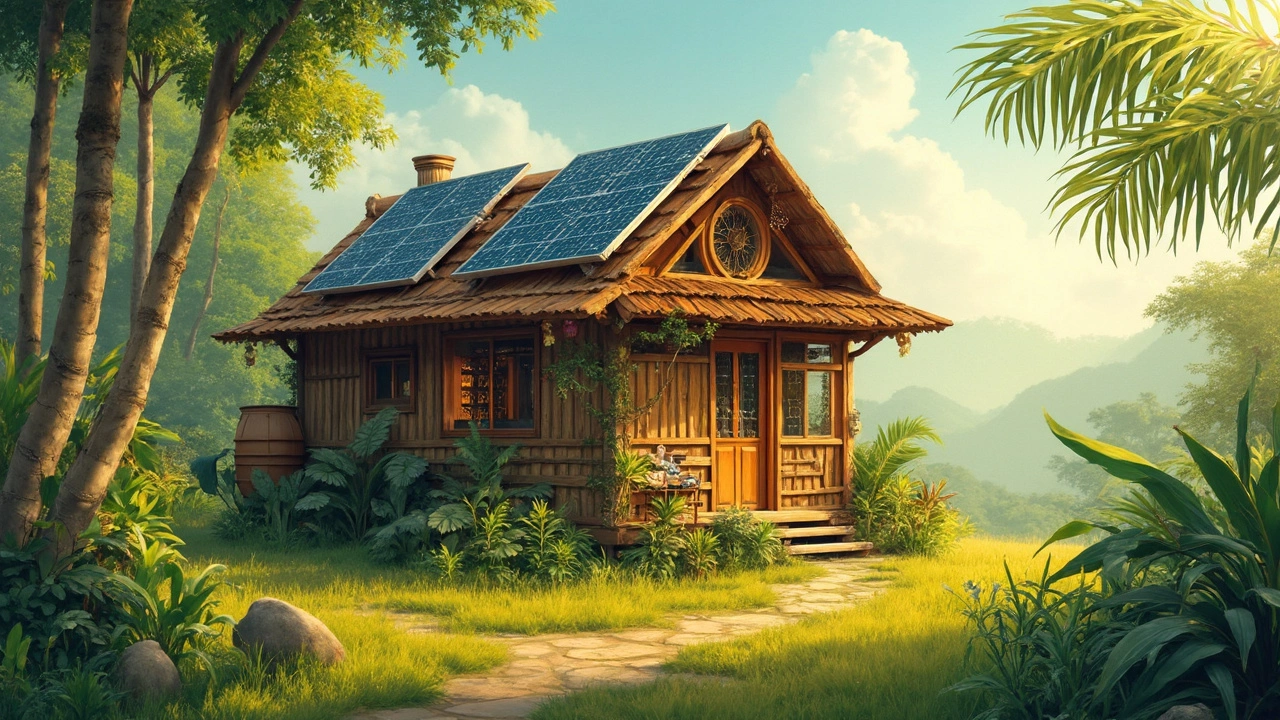
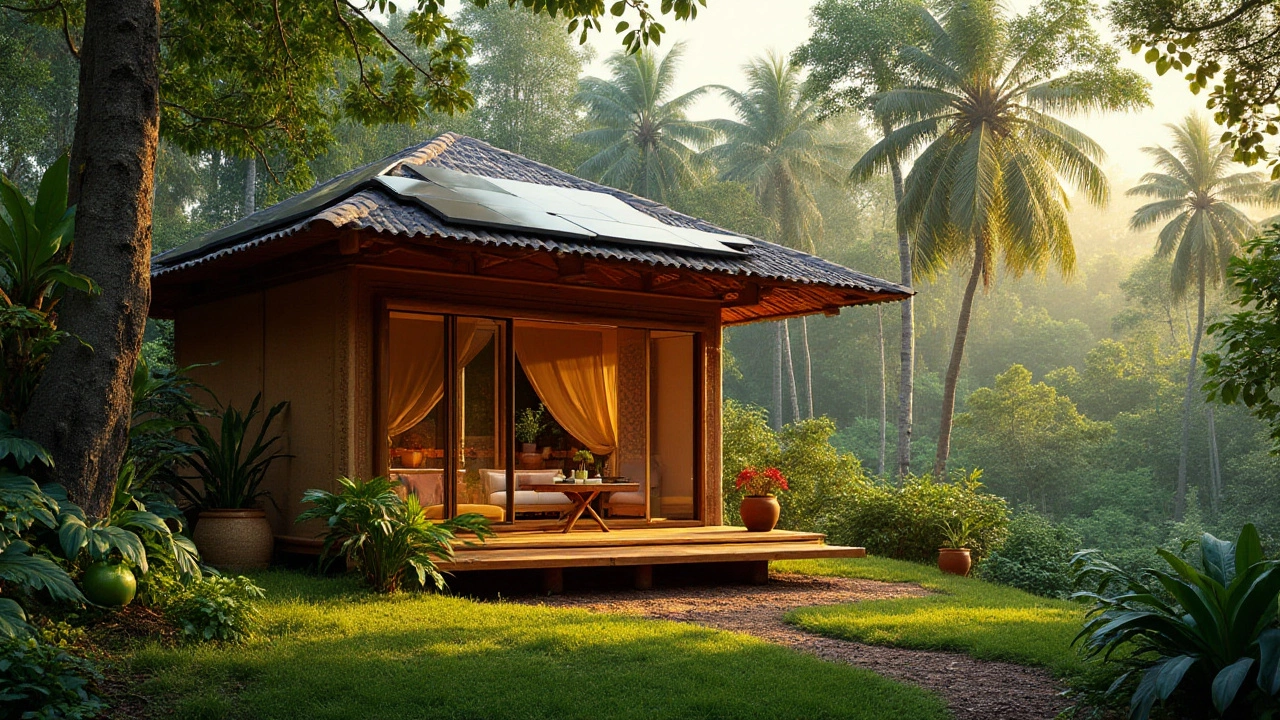
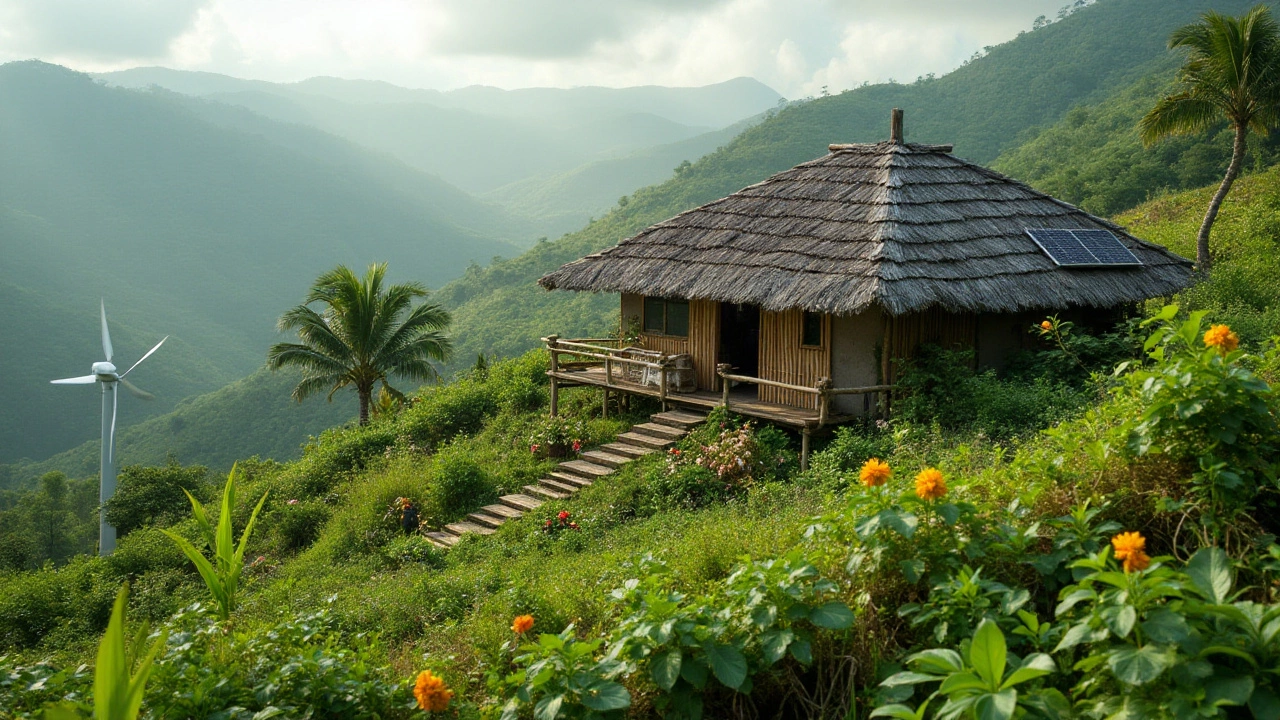
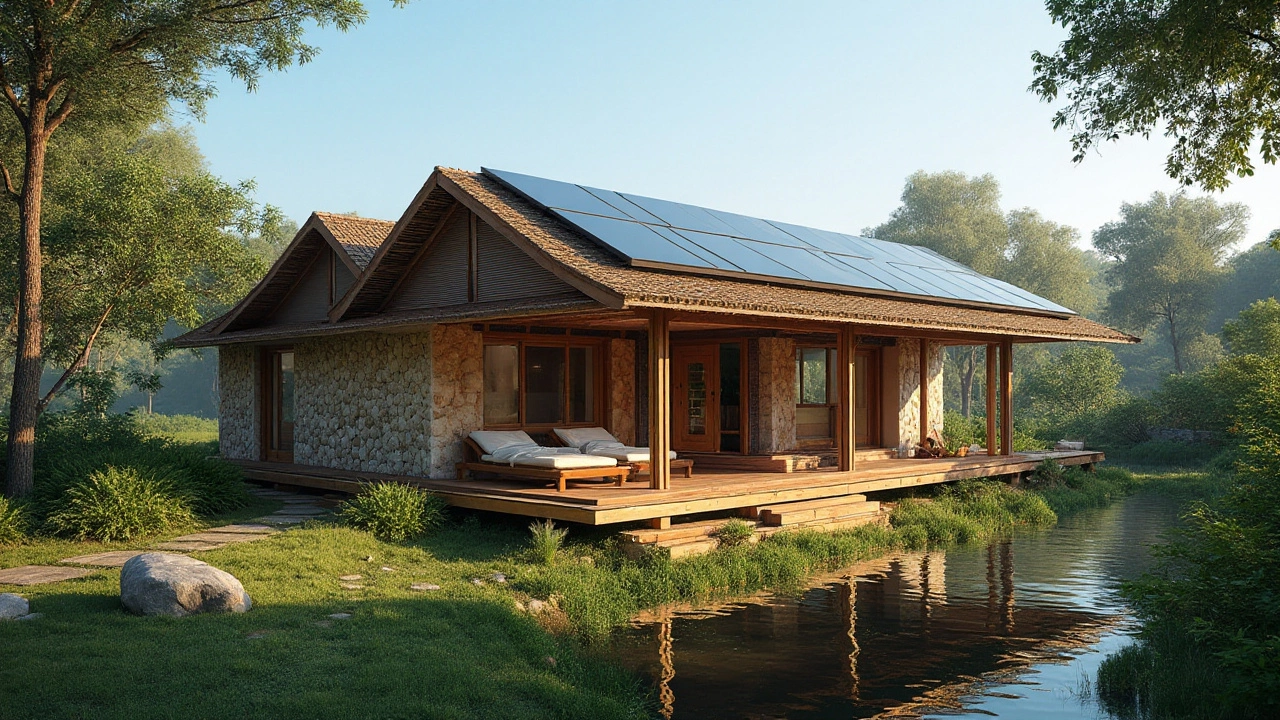
Many of the homes and stays you’re looking at—eco-friendly cottages, glamping tents, even all-inclusive resorts—are quietly becoming part of this shift. People are realizing that sustainability isn’t just about buying organic or recycling. It’s about how long a tiny house lasts, whether tipping housekeeping supports local workers who manage waste responsibly, or if your "unlimited drinks" resort actually wastes 30% of its food. eco-friendly cottages, small, energy-efficient homes built with natural or recycled materials. Also known as green homes, they’re not just trendy—they’re practical. One in five new vacation rentals in India now uses rainwater harvesting or solar panels, and many guests don’t even notice because the comfort hasn’t changed. And when you see a net-zero home, a house that produces as much energy as it uses over a year. Also known as off-grid homes, they’re no longer science fiction. A $37 million one exists, but so does a $12,000 version in the hills of Uttarakhand that powers itself with a single solar array and a few efficient LED bulbs. Sustainable living isn’t about being extreme. It’s about being smart. It’s choosing a cabin over a high-rise hotel because the cabin uses less electricity, generates less noise, and lets you sleep under real stars instead of streetlights.
What you’ll find here isn’t a list of rules or guilt trips. It’s real stories from people who live this way—whether they rent a cottage for a week or run a resort that composts all its food waste. You’ll see how much it actually costs to go green, what hidden traps to avoid, and which "eco-friendly" labels are just marketing. You’ll learn why tipping housekeeping matters more than you think, how to tell if a resort is truly sustainable or just slapping a leaf on its website, and whether glamping can be as low-impact as camping. No fluff. No jargon. Just what works, what doesn’t, and what you can start doing tomorrow.