Difference Between Eco-Friendly Cottages and Luxury Resorts: What Really Matters
When you think about a getaway, the difference, the contrast between two types of stays that offer very different experiences. Also known as travel choice, it’s not just about where you sleep—it’s about what you get out of it. Some people want total control: their own kitchen, quiet mornings, and a porch that faces the woods. Others want everything handed to them—meals, drinks, activities, all in one place. That’s the core of the difference.
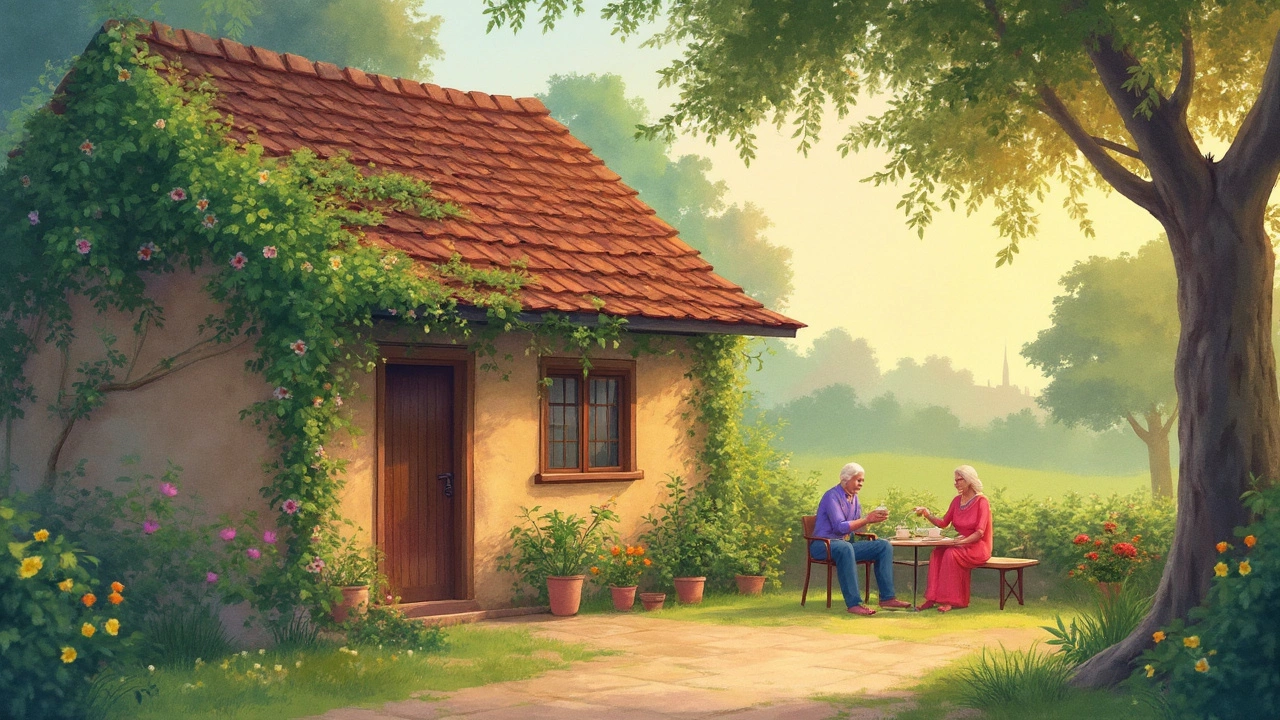
The eco-friendly cottages, small, often off-grid homes built with sustainable materials and designed to blend into nature. Also known as green cabins, they’re for people who want to unplug without sacrificing comfort. These aren’t just pretty wooden boxes. They’re built to last—some with solar panels, rainwater systems, and composting toilets. You’re not just staying somewhere; you’re participating in a quieter, cleaner way of traveling. Then there’s the all-inclusive resorts, large properties that bundle food, drinks, and activities into one upfront price. Also known as vacation packages, they promise ease—but often at the cost of authenticity. You get unlimited drinks, buffets, and organized games. But you also get crowds, limited menus, and a feeling that you’re stuck in a bubble.
The luxury sustainable home, a high-end property that combines premium finishes with environmental responsibility, sometimes costing millions. Also known as net-zero mansion, it’s where eco-conscious meets high-end design. Think $37 million homes that generate their own power and grow their own food. These aren’t for everyone—but they prove sustainability doesn’t mean sacrifice. Meanwhile, vacation cabins, simple, rustic retreats often rented for short stays, ideal for couples or small families. Also known as cottage getaways, they’re the middle ground: private, affordable, and close to nature without the complexity of full off-grid living. You don’t need a billionaire’s budget to enjoy real peace.
So what’s the real difference? It’s not square footage or price tags. It’s freedom versus convenience. If you want to wake up to birds, cook your own coffee, and never see another guest, an eco-friendly cottage wins. If you want to order a cocktail at 11 a.m. and never worry about where to eat, an all-inclusive resort makes sense. But here’s the thing: most people don’t realize how much they’re trading away when they pick the resort. The noise. The sameness. The lack of real connection—to the place, or even to the person they came with.
You’ll find posts here that break down exactly how much you pay for those drinks, whether tipping housekeeping matters, what age counts as a child at hotels, and why some people live full-time at resorts. You’ll also see how a $1 billion eco-home works, what glamping really costs, and whether a cabin is truly worth it compared to a hotel. This isn’t about picking one side. It’s about understanding what each option gives you—and what it takes away.