Cottage Design: Real Ideas for Cozy, Eco-Friendly Getaways
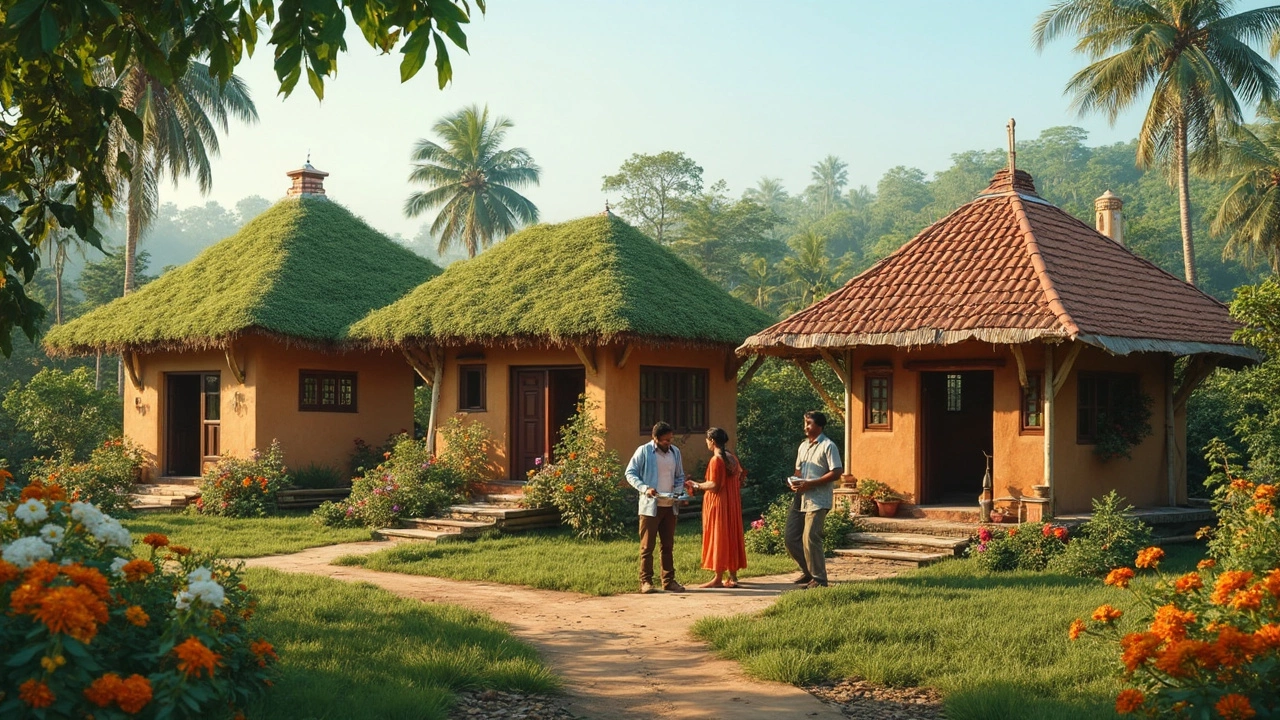
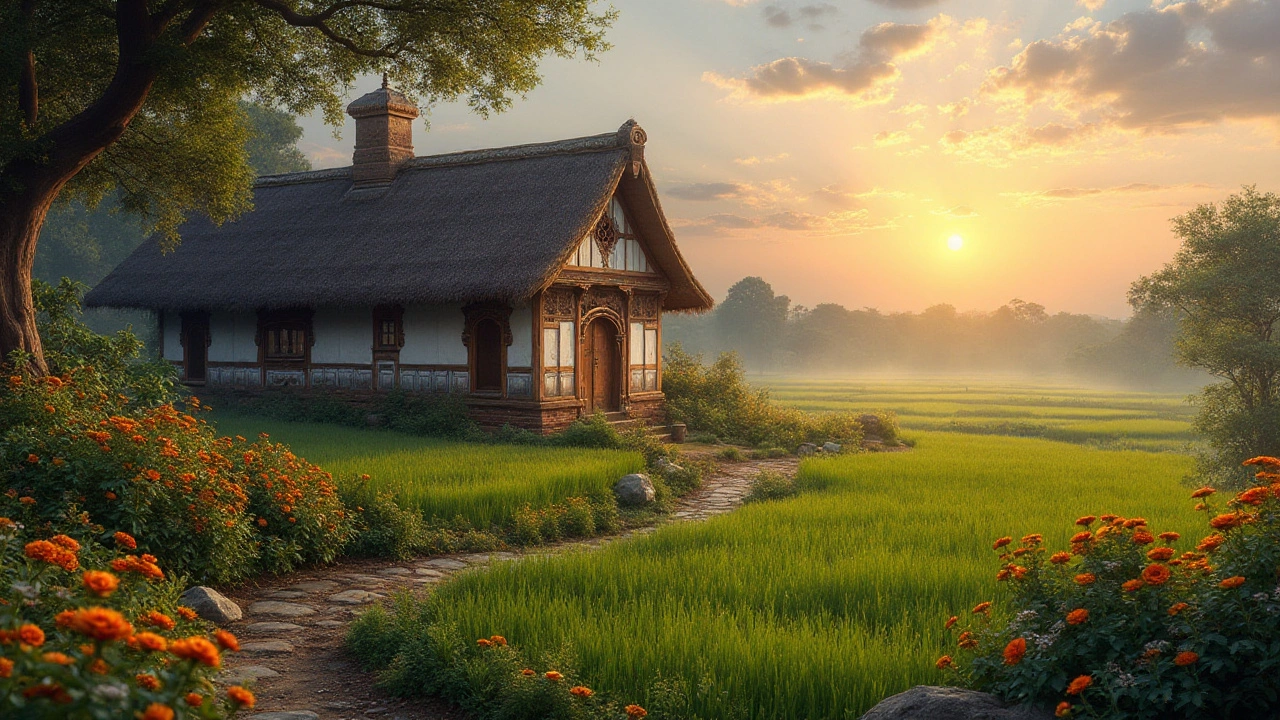
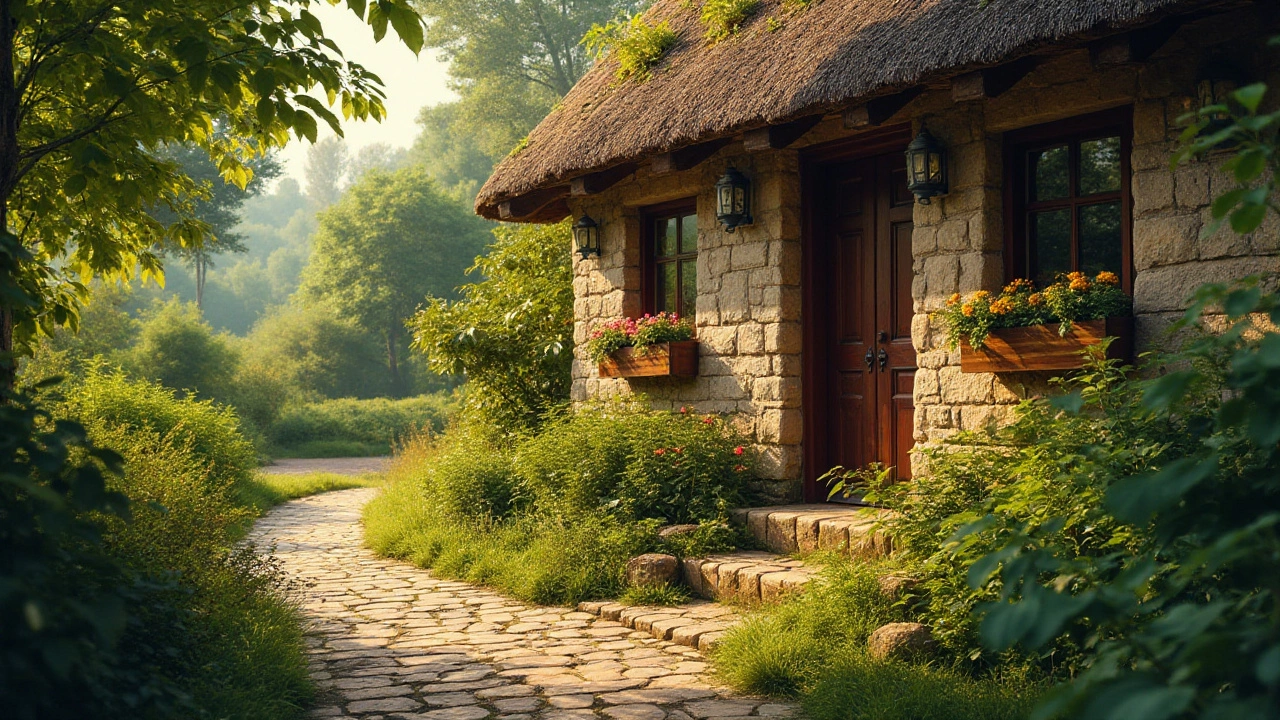
When you think of cottage design, a small, charming home built to blend into nature, often using natural materials and simple layouts. Also known as rustic cabins, it’s not just about looks—it’s about living simply, efficiently, and close to the land. People don’t just want a place to sleep. They want a space that feels like a breath of fresh air—wood floors underfoot, stone fireplaces, and windows that frame trees instead of traffic. That’s the heart of good cottage design.
It’s not just about picking a style. Real cottage design works because of what’s underneath: eco-friendly cottages, homes built to use less energy, generate their own power, and minimize waste. Think solar panels tucked behind the roofline, rainwater systems feeding the garden, and insulation made from recycled denim. These aren’t fancy add-ons—they’re the new standard. And it’s not just for off-grid lovers. Even weekenders are asking: Can my getaway be kinder to the planet? The answer is yes, and it doesn’t cost a fortune.
Then there’s the layout. A good cottage doesn’t need 5 bedrooms. It needs one cozy living space that flows into a kitchen, a loft bedroom with a view, and a porch that invites you to sit and do nothing. glamping cottages, luxury versions of traditional cabins with modern comforts like heated floors and smart thermostats, are proving you don’t have to sacrifice comfort for charm. But the best ones still feel wild inside—wood beams, hand-thrown pottery, and the smell of pine from the walls.
What makes these homes last? It’s not the price tag. It’s the materials. Cedar that resists rot. Stone foundations that outlive concrete. Windows sealed tight but opened wide when the weather’s right. You’ll find this in the posts below—real examples of cottages that survived storms, seasons, and years of use. Some were built from scratch. Others were old barns turned into retreats. One even cost a billion dollars, not because it had gold taps, but because it made its own water, food, and power.
And it’s not just about the structure. Cottage design is about the rhythm of life inside it. No rush. No noise. Just the sound of wind through the trees and the quiet click of a wood stove closing. That’s why people keep choosing it over hotels—even when the price is higher. You’re not buying square footage. You’re buying peace.
Below, you’ll find real stories from people who’ve lived in, built, or stayed in these spaces. Some talk about costs. Others about how to make a cabin feel like home without spending thousands. A few reveal the hidden tricks—like how to keep bugs out without screens, or why a single large window beats five small ones. Whether you’re planning a weekend escape or thinking about building your own, these posts give you the straight talk you won’t find on a brochure.