Eco-Friendly Cottages and Hotel Stays in 2025: What You Need to Know
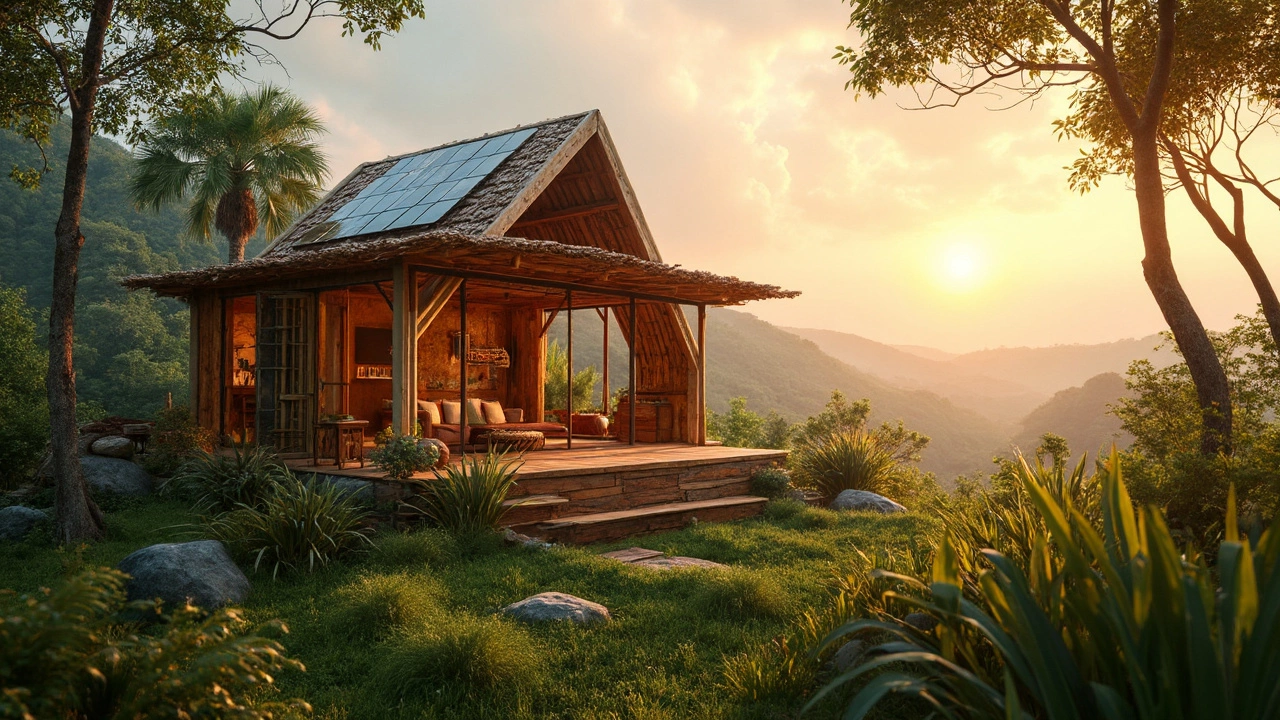
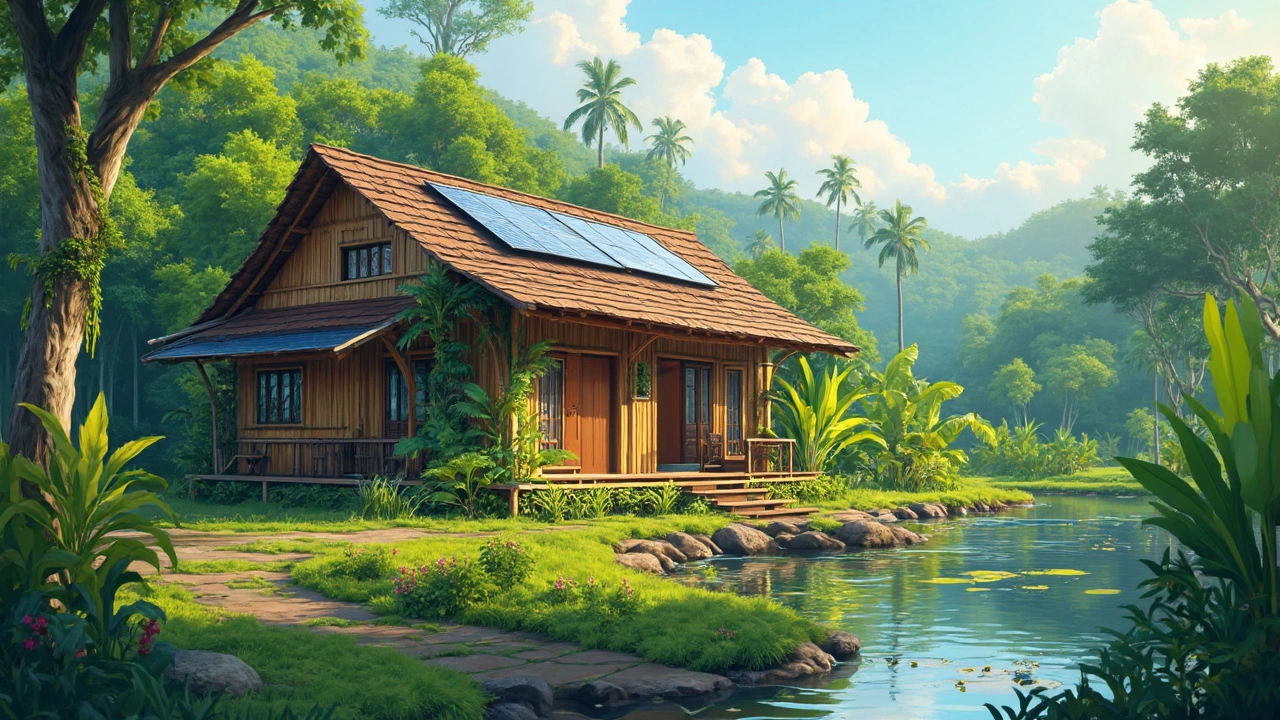
When you think about eco-friendly cottages, small, sustainable homes built with renewable materials and low-energy systems. Also known as green cottages, it sustainable housing, it's not just a trend—it’s a practical shift in how people choose to live and travel. These cottages use solar panels, rainwater systems, and recycled wood to cut waste and energy use, making them perfect for travelers who want comfort without harming the planet. But staying green doesn’t stop at your cottage. It connects directly to how you book hotels, what you eat, and even whether you tip at resorts. Many of the stays featured this month—whether it’s a cozy country house or a luxury boutique hotel—share the same goal: reducing environmental impact while keeping your stay comfortable and memorable.
All-inclusive hotels, resorts where meals, drinks, and sometimes activities are bundled into one price. Also known as full-board resorts, it package vacations, it's a popular choice for travelers who hate planning meals. But here’s the catch: just because everything’s included doesn’t mean you’re not paying extra. Some resorts charge for premium dining, late-night snacks, or even tipping. And if you’re wondering whether you should tip at these places, the answer isn’t simple—it depends on location, service, and culture. Meanwhile, if you’d rather cook your own meals, self-catering, choosing a rental where you prepare your own food. Also known as cottage kitchens, it independent dining, gives you control over what you eat, how much you spend, and how little waste you create. It’s a smart match for eco-friendly cottages, especially when you buy local produce and avoid single-use packaging.
And it’s not just about where you stay—it’s about the kind of experience you want. Boutique hotels stand out because they focus on personality, not size. They often use local art, handmade linens, and energy-saving lighting, making them a quieter, greener alternative to big chains. Meanwhile, glamping and stealth camping are growing as ways to connect with nature without giving up basic comforts. Even airport hotels are getting smarter, offering charging stations for electric cars and compost bins in rooms. This month’s collection covers all of it: from how to build a cheap eco-friendly house using reclaimed materials, to what’s inside a romantic intimacy kit, to whether Sykes or National Trust deals are worth it. You’ll find real advice on saving money, cutting waste, and choosing stays that match your values—not just your budget. Whether you’re planning a last-minute escape or a long-term green lifestyle, these posts give you the facts without the fluff.