Tiny House Maintenance: Simple Ways to Keep Your Small Home Running Smoothly
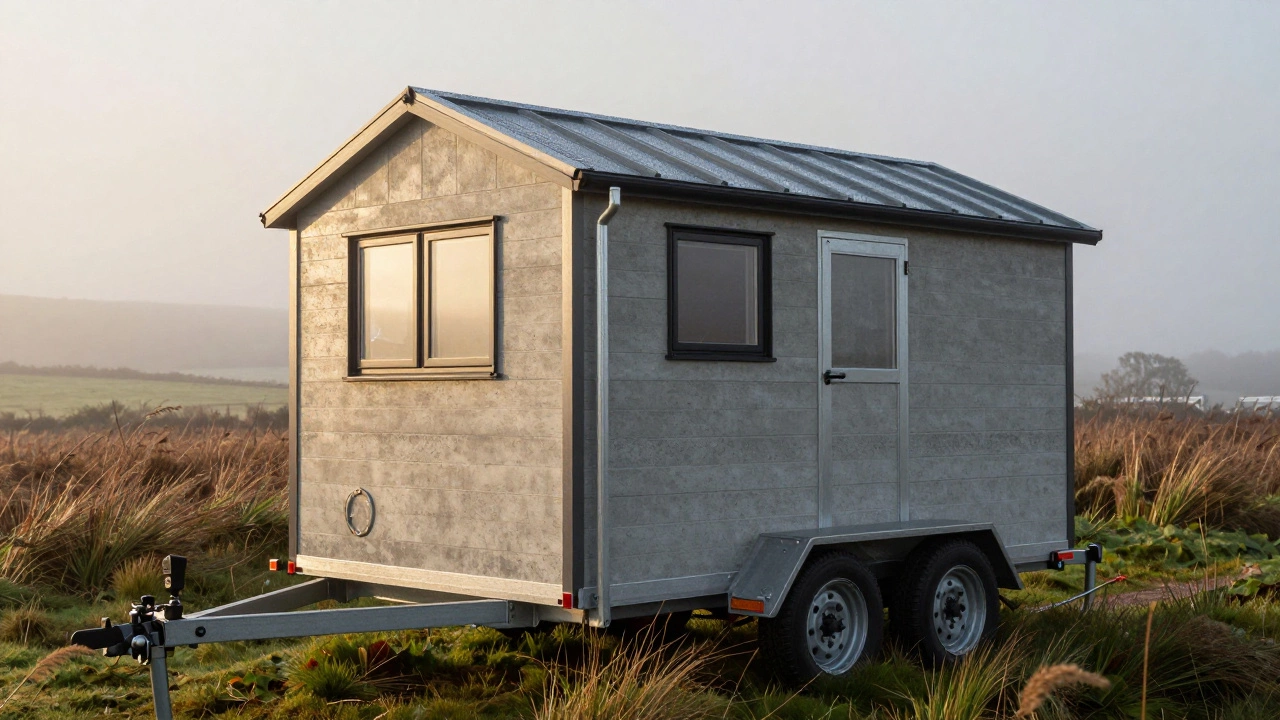
When you live in a tiny house, a compact, often mobile home designed for minimal living and low environmental impact. Also known as micro dwelling, it’s not just a trend—it’s a lifestyle that demands smarter upkeep than a regular house. Because every square foot counts, tiny house maintenance isn’t about big repairs—it’s about consistent, simple care that stops small problems from becoming expensive ones.
Most tiny houses are built with sustainable cottages, homes designed to use fewer resources, generate less waste, and rely on renewable materials. Also known as eco-friendly homes, they often use reclaimed wood, solar panels, composting toilets, and rainwater systems. These features save money and reduce your footprint—but they also need special attention. A solar panel covered in dust won’t charge your battery. A composting toilet left uncleaned will start to smell. A roof sealant that cracks in winter can lead to leaks you won’t notice until it’s too late. That’s why maintenance isn’t optional—it’s part of daily living. You don’t need a toolbox full of tools. You need a routine: check seals every season, clean gutters before monsoon rains, inspect the foundation for settling, and wipe down surfaces to prevent mold in humid climates. Many people think tiny homes are low-maintenance because they’re small. That’s wrong. They’re high-reward, but only if you stay on top of them.
What makes tiny house maintenance different from a regular home? It’s the connection between systems. In a big house, a leaky faucet is just a faucet. In a tiny house, that same drip could mean your water tank runs dry before your next refill. Your energy use, water supply, waste handling, and insulation all talk to each other. If your insulation fails, your heater works harder. If your heater works harder, your battery drains faster. If your battery drains, your lights go out. It’s a chain. That’s why tiny house owners who stay ahead of problems don’t wait for things to break. They check, clean, and adjust before the season changes. They keep a notebook. They track when they last cleaned the vent, replaced the air filter, or resealed the windows. It’s not complicated. It’s just consistent.
And if you’re thinking about buying or building one, don’t just look at the design. Look at the maintenance plan. Ask: Where’s the access panel for the plumbing? Can I reach the roof from the inside? Is the insulation easy to replace? These aren’t fancy questions—they’re survival questions. The best tiny houses aren’t the prettiest. They’re the ones that let you fix things without calling a professional. That’s the real luxury.
Below, you’ll find real stories from people who’ve lived in these spaces—what broke, what didn’t, and what they wish they’d known before moving in. No fluff. No sales pitches. Just the details that actually matter when you’re living small.