Tiny House Lifespan: How Long Do They Last and What Affects It?
When you think about a tiny house, a compact, often mobile dwelling designed for minimal living. Also known as micro-home, it’s more than a trend—it’s a lifestyle choice built to last. But how long do they actually last? Unlike traditional homes that can sit for 50 to 100 years, tiny houses don’t come with a built-in expiration date, but their lifespan depends heavily on what they’re made of, where they’re parked, and how well they’re cared for. Many people assume a tiny house is just a small version of a regular home, but that’s not true. The materials, construction quality, and exposure to weather play a bigger role than size.
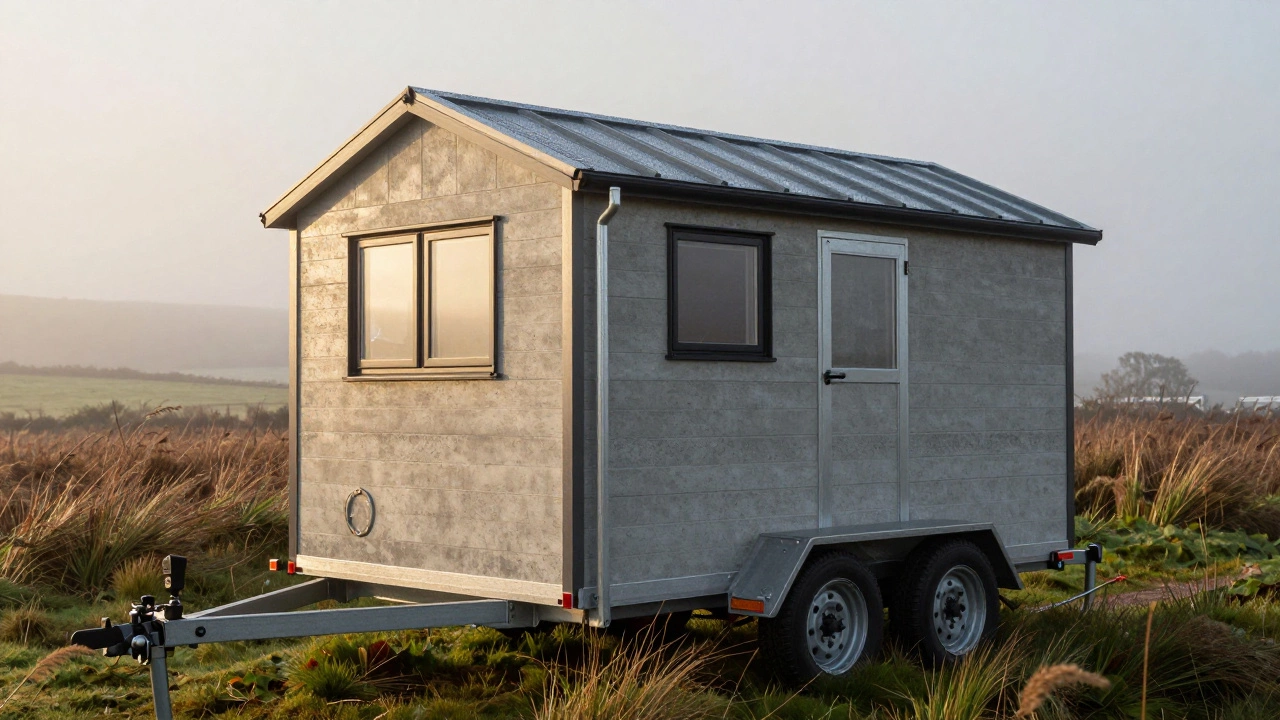
A well-built tiny house on a sturdy trailer, using pressure-treated wood, metal roofing, and proper insulation, can easily last 20 to 30 years—sometimes more. But if it’s built with cheap plywood, no vapor barrier, or left exposed to rain and snow without maintenance, it might start showing serious wear in under 10. sustainable cottages, eco-conscious dwellings built with renewable or recycled materials often last longer because they’re designed with durability in mind, not just cost. Think cedar siding instead of particleboard, double-glazed windows instead of single-pane, and sealed foundations that prevent moisture damage. These aren’t luxury upgrades—they’re survival features.
Location matters just as much as construction. A tiny house sitting on dry, elevated ground in a dry climate will outlive one parked in a damp valley with poor drainage. Humidity, freeze-thaw cycles, and UV exposure eat away at materials faster than you think. Regular checks on seals, roof flashing, and undercarriage rust can add years. And don’t forget the trailer—many tiny houses fail because the chassis rusts out, not the walls. A modular homes, prefabricated units assembled on-site, often sharing design principles with tiny houses can offer better structural integrity, but even they need care. The key isn’t buying the fanciest kit—it’s staying on top of small fixes before they become big problems.
People often ask if tiny houses are worth it if they won’t last as long as a regular house. But that’s the wrong question. A tiny house isn’t meant to be a forever home in the traditional sense—it’s meant to be a flexible, mobile, low-impact way to live. With proper upkeep, many owners report their homes lasting 30+ years, even with constant movement. The real difference? You’re not stuck with a 2,000-square-foot mortgage. You’re free to repair, upgrade, or relocate as your life changes. That flexibility is the real value.
What you’ll find below are real stories, practical guides, and hard numbers from people who’ve lived in tiny houses for over a decade. From what materials hold up best in coastal climates to how often you should reseal your roof, these posts cut through the hype and give you what actually works. No fluff. Just what you need to know before you build, buy, or move in.