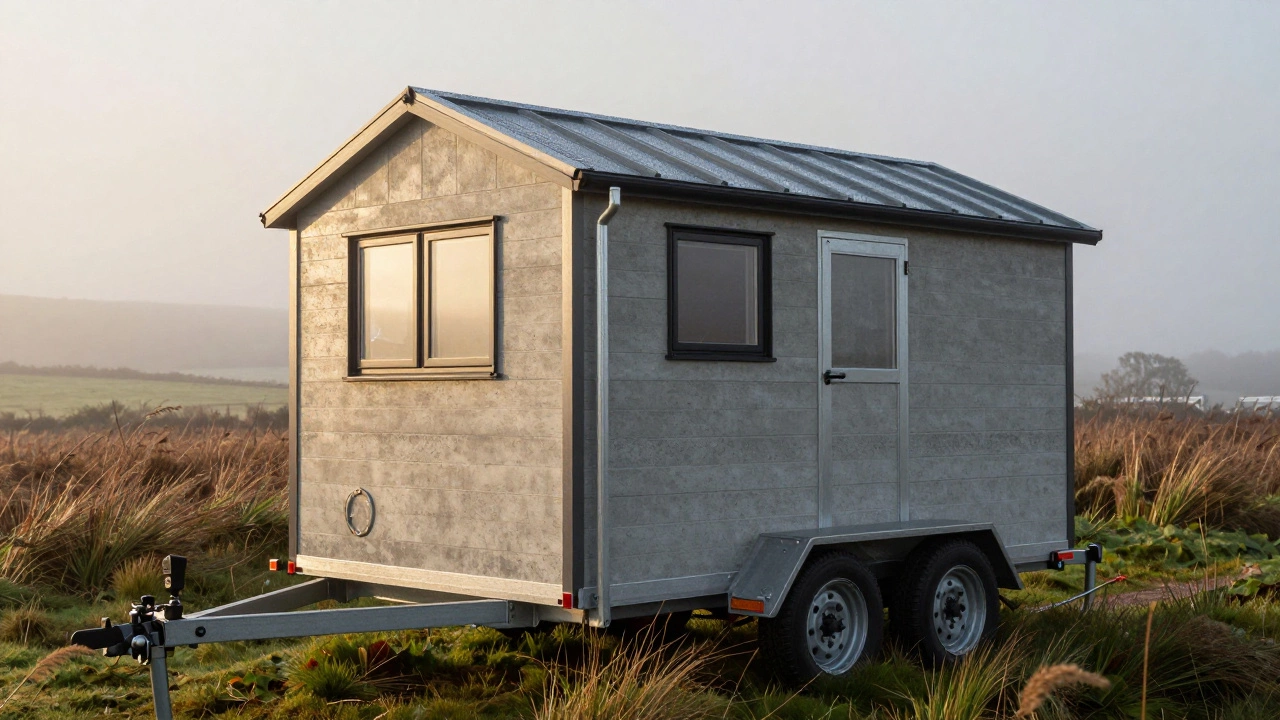
Tiny Home Durability: What Makes Them Last and Who Builds Them Right
When people talk about tiny home durability, the ability of small, compact homes to withstand weather, time, and daily use without major repairs. Also known as small home resilience, it's not just about using expensive wood or fancy insulation—it's about how the whole system works together. A tiny home that lasts 20 years isn’t lucky. It’s built with purpose. You can’t just shrink a regular house and call it durable. The roof, foundation, walls, and even the windows have to be chosen for a different kind of life—one where every square foot counts and every element has to pull its weight.
What makes a tiny home tough? It’s not one thing. It’s the sustainable housing, construction methods and materials designed to reduce environmental impact while maintaining long-term performance. Also known as green building, it often uses recycled steel, engineered wood, and sealed joints that resist moisture. Then there’s the off-grid homes, tiny homes designed to operate without connection to public utilities like water, electricity, or sewage. Also known as self-sufficient dwellings, they need stronger roofs for snow, better insulation for cold nights, and materials that won’t rot when humidity swings. And don’t forget modular homes, homes built in sections in a factory and assembled on-site, often with tighter quality control than site-built homes. Also known as prefab homes, they’re a big reason why some tiny homes outlast traditional cabins. These aren’t just buzzwords—they’re the real reasons some tiny homes survive hurricanes, freeze-thaw cycles, and decades of use while others start leaking after three years.
Most people think durability means thick walls or a metal roof. But the real test is what happens after the first rainstorm, the first winter, the first move. Do the seams hold? Does the floor sag? Does condensation turn the walls into mold farms? The best tiny homes are built by people who’ve lived in them first. They know where water pools, where wind gets in, and which materials actually hold up under daily use—not just in brochures. That’s why you’ll find builders in Vermont using cedar shingles that last 40 years, or folks in Arizona choosing reflective coatings to beat the heat. It’s not about being trendy. It’s about being smart.
There’s no magic formula. But if you’re looking at a tiny home and wondering if it’ll last, ask: Who built it? Where’s it meant to live? What’s the warranty? And most importantly—has anyone actually lived in it for more than a year? The answers will tell you more than any sales pitch. Below, you’ll find real stories, real costs, and real breakdowns of what works—and what doesn’t—when it comes to tiny homes that stand the test of time.