Off-Grid Homes: Real Living Without Power Lines and Grid Reliance
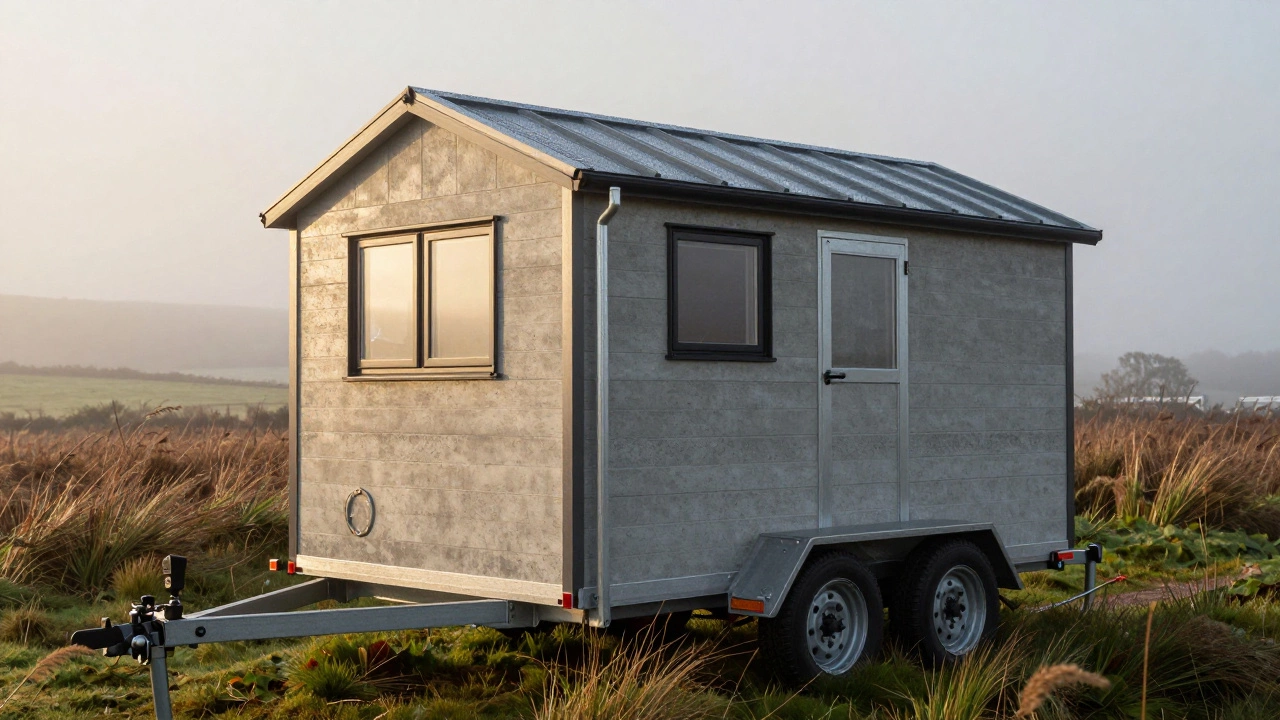
When you think of an off-grid home, a self-sufficient residence that operates without connections to public utilities like electricity, water, or sewage systems. Also known as off-grid living, it’s not just a trend—it’s a practical choice for people tired of high bills, unreliable service, or urban noise. These homes run on solar panels, rainwater catchment, composting toilets, and wood stoves. They’re not remote cabins for survivalists anymore. Today, they’re smart, comfortable, and increasingly common—even near cities.
Many sustainable cottages, small, energy-efficient homes built with natural or recycled materials and designed to minimize environmental impact are built off-grid because they’re easier to power and heat without relying on the grid. A self-sufficient home, a type of residence that produces its own food, water, and energy, often using renewable sources and closed-loop systems doesn’t just cut costs—it cuts dependence. People who live this way grow their own vegetables, collect rainwater, and generate their own power. Some even sell extra energy back to the grid when allowed. The goal isn’t to go back to the Stone Age—it’s to use modern tech to live smarter.
Off-grid living isn’t for everyone. It takes planning, maintenance, and a willingness to adapt. But if you’ve ever wondered what it’s like to wake up without the hum of a generator, or to know your water comes from your own well and your lights from the sun, you’re not alone. More families in India and around the world are choosing this path—not because they can’t afford the grid, but because they want more control, quiet, and connection to the land.
Below, you’ll find real stories and practical guides on how people build, finance, and live in off-grid homes. From the cost of solar setups to how to keep warm in winter without gas, these posts cover what actually matters. No fluff. Just what you need to know if you’re thinking about stepping off the grid—for good.