Green Cottages: Sustainable, Cozy Stays in Nature
When you think of a green cottage, a small, energy-efficient home built to blend with nature and minimize environmental impact. Also known as eco-friendly cottage, it’s not just about solar panels and recycled wood—it’s about living lightly, without giving up comfort. These aren’t the rough cabins from old movies. Today’s green cottages are designed for real people who want quiet, clean air, and a real connection to the outdoors—without the guilt of wasting resources.
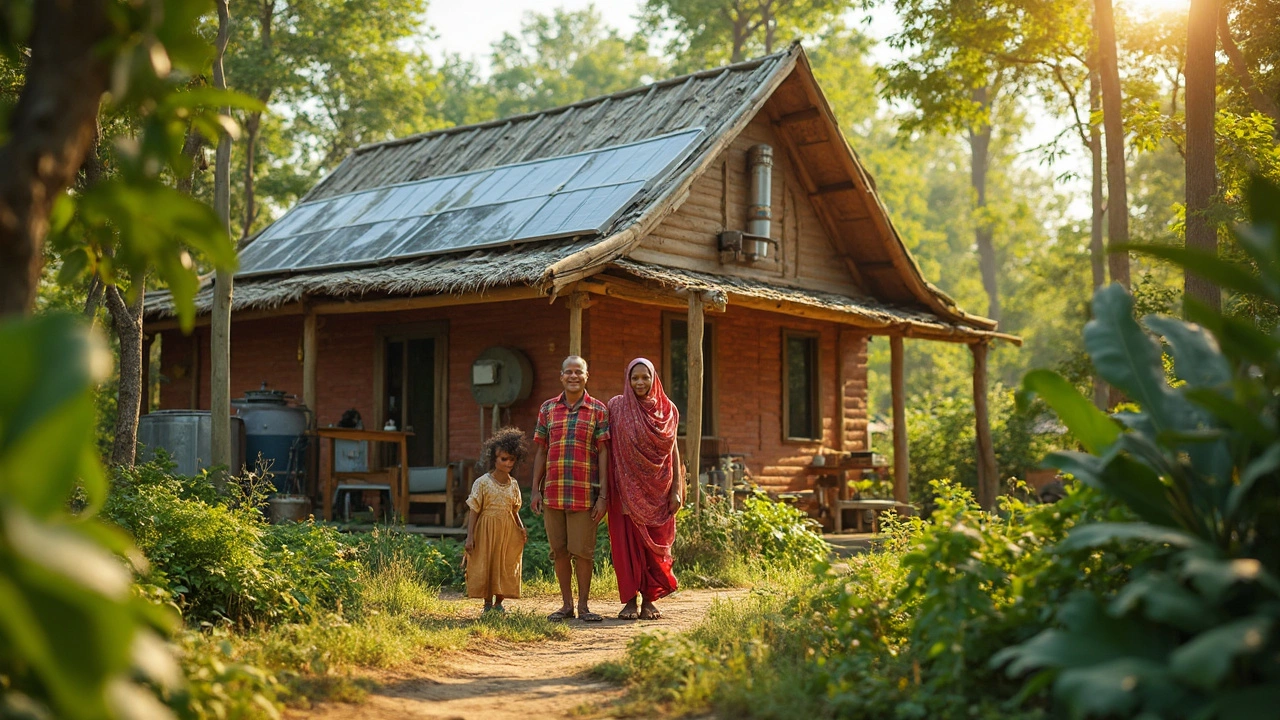
What makes a cottage truly green? It’s the combination of smart design, local materials, and real-world efficiency. A sustainable cottage, a residence built with renewable resources and low-carbon methods to reduce long-term environmental harm might use reclaimed timber from nearby forests, passive solar heating to cut electricity use, or rainwater systems that feed the garden. You’ll find these features in places like the Himalayan foothills or the Western Ghats, where Woodland Hotel’s cottages sit quietly among trees, powered by sunlight and cooled by natural wind. And while some luxury green homes cost millions, you don’t need a billion-dollar net-zero mansion to enjoy the benefits. Even a modest green cottage can slash energy bills and leave a smaller footprint.
It’s not just about the building—it’s about the experience. A green cottage gives you space to breathe, away from noise, crowds, and artificial lighting. You wake up to birds, not alarms. You cook with local ingredients, not plastic-wrapped meals. You sleep under stars, not fluorescent bulbs. That’s why people are choosing these stays over generic hotel rooms. They’re not just vacations—they’re resets. And if you’ve ever wondered whether eco-friendly living is practical, the answer is yes. Real people live in them. Real families book them. Real travelers come back year after year because it feels right.
What you’ll find in the posts below are honest takes on what makes these spaces work—how long they last, what they really cost, how they compare to villas or glamping tents, and why some of the most expensive homes in the world are built like green cottages. You’ll see how one $1 billion cottage generates its own food and water, and how a $75-a-night glamping cottage can still be eco-smart. You’ll learn why tipping at resorts doesn’t matter if your cottage runs on solar power, and why an all-inclusive deal might not be worth it when you could be sipping tea on your own wooden porch, listening to the wind.