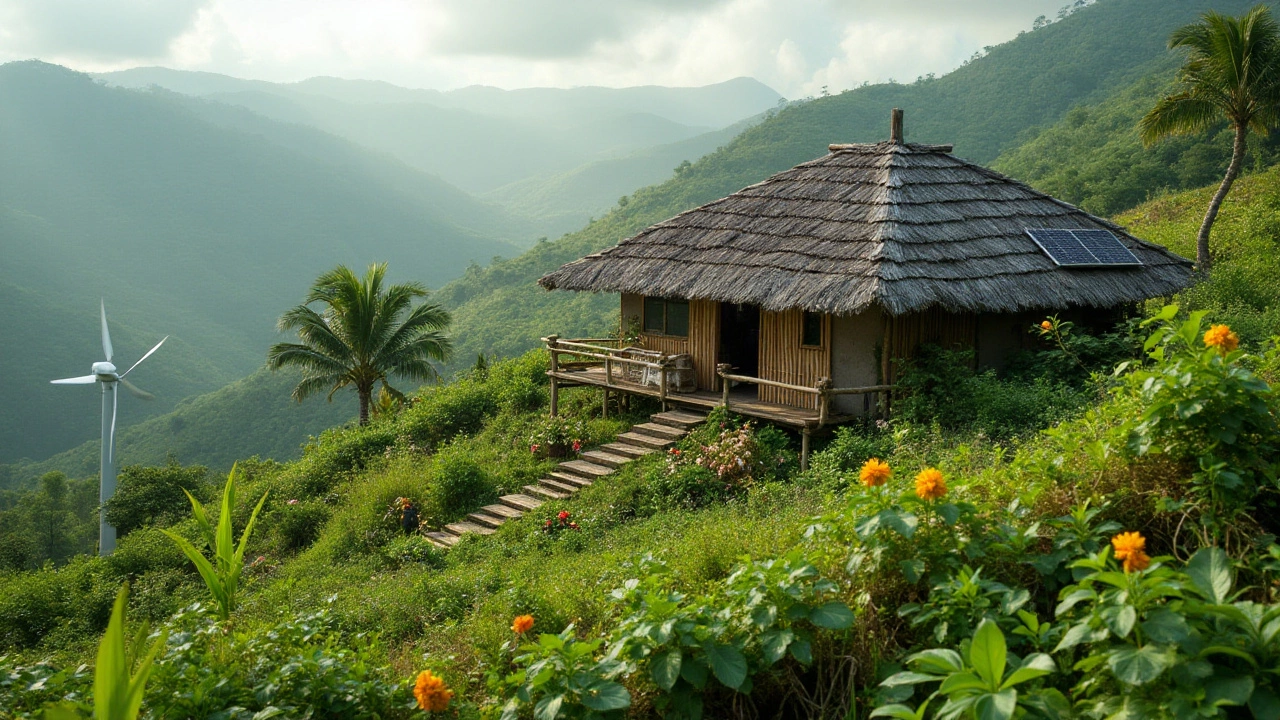
Environmental Conservation: What It Really Means and How Your Stay Matters
When we talk about environmental conservation, the practice of protecting natural resources and ecosystems from harm. Also known as nature preservation, it’s not just about planting trees—it’s about making sure the air you breathe, the water you drink, and the quiet forests you retreat to don’t disappear because of how we live and travel. At Woodland Hotel, this isn’t a marketing slogan. It’s why our cottages are built with reclaimed wood, why we limit single-use plastics, and why every guest room is designed to use less energy without sacrificing comfort.
Real eco-friendly cottages, homes built or modified to minimize environmental impact through energy efficiency, sustainable materials, and waste reduction. Also known as green homes, they’re not just about solar panels and rainwater tanks. They’re about thinking ahead: how the insulation keeps heat in during winter, how the local stone walls stay cool in summer, and how the landscaping uses native plants that need no chemical fertilizers or extra water. These aren’t luxury add-ons—they’re smart design choices that reduce strain on the land around us. And it’s not just the buildings. sustainable tourism, travel that respects local environments, cultures, and communities while minimizing negative impacts. Also known as responsible travel, it’s what happens when you choose a stay that supports local farmers, avoids overcrowded hotspots, and leaves the trails cleaner than you found them. That’s the kind of trip that lasts—not just in memory, but in the health of the place you visited.
You don’t need to be an activist to make a difference. Choosing a stay that values green living, daily habits and choices that reduce environmental harm. Also known as low-impact lifestyle, it’s as simple as reusing towels, turning off lights, or asking for refillable water bottles instead of plastic ones. These small actions add up. When enough people make them, they shift what hotels and resorts feel pressured to offer. That’s how a $1 billion net-zero home and a cozy cottage in the woods end up in the same conversation—they’re both responses to the same question: Can we enjoy nature without wearing it out?
The posts below show you exactly how this works in real life. From the hidden costs of "eco-friendly" labels to how tiny homes last decades with the right care, you’ll see how sustainability isn’t about perfection—it’s about progress. Whether you’re wondering if tipping at resorts affects staff who maintain the gardens, or if all-inclusive deals actually waste more resources, you’ll find answers grounded in what’s real, not what’s advertised. This isn’t a lecture. It’s a guide to making your next getaway mean more than just a break from routine—it can be a step toward keeping the wild places wild.