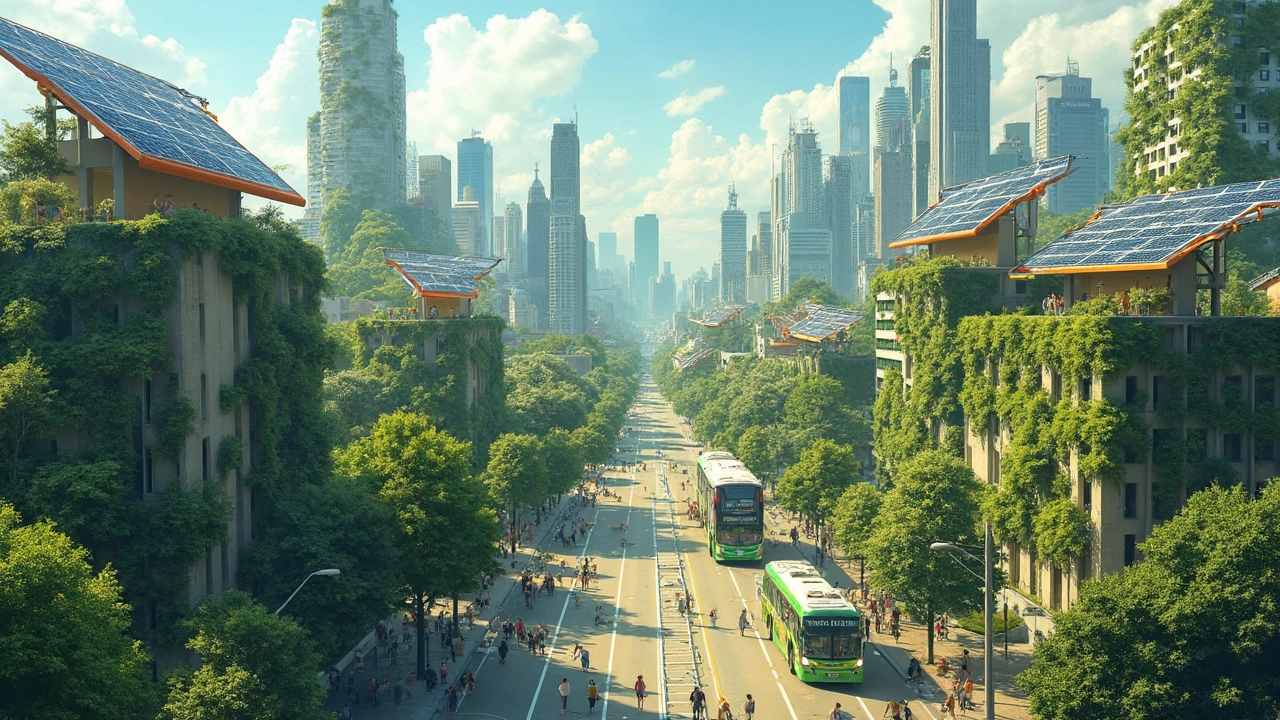
Environmental City: What It Really Means and How It Shapes Your Stay
When we talk about an environmental city, a place designed to minimize harm to nature while supporting human life through smart planning and renewable resources. Also known as a green city, it’s not just about planting more trees—it’s about how energy flows, how waste is handled, and whether the buildings around you are part of the solution or the problem. Think of it like a living system: every choice—from the power source heating your cottage to the way water is reused—connects back to the health of the land outside your window.
Real eco-friendly cottages, small, energy-efficient homes built with natural or recycled materials and designed to blend into their surroundings. Also known as sustainable lodges, they’re not just a trend—they’re a response to what travelers actually want: quiet, clean, and connected experiences. These aren’t the same as fancy hotels with a single solar panel on the roof. True eco-cottages generate their own power, collect rainwater, use composting toilets, and avoid single-use plastics. You’ll find them in places like the hills of Uttarakhand or the forests of Coorg, where the environment isn’t just a view—it’s part of the operation.
And it’s not just about the buildings. An environmental city, a place designed to minimize harm to nature while supporting human life through smart planning and renewable resources. Also known as green city, it’s not just about planting more trees—it’s about how energy flows, how waste is handled, and whether the buildings around you are part of the solution or the problem. includes how locals live, what kind of transport is used, and whether tourism supports the community or just drains it. That’s why staying at a place like Woodland Hotel isn’t just a vacation—it’s a vote for how travel should work. You’re choosing to support places that don’t just take from nature but give back to it.
That’s why the posts below aren’t just about hotels or cottages. They’re about the bigger picture: how a net-zero home, a building that produces as much energy as it uses over a year, often through solar panels, insulation, and smart design. Also known as energy-neutral house, it’s the gold standard for sustainable living. costs more upfront but saves money long-term. Why tipping at resorts matters to the people who keep them running cleanly. How glamping can be both luxurious and low-impact. What happens when a $1 billion house runs entirely on sunlight and rain. These aren’t random stories—they’re pieces of the same puzzle: how we travel, where we stay, and what kind of world we’re helping build by choosing one over the other.
What you’ll find here isn’t theory. It’s real talk from people who’ve lived it—whether they’re running a tiny eco-cottage in the mountains or trying to make an all-inclusive resort less wasteful. You’ll learn what actually works, what’s just marketing, and how to spot the difference. No fluff. No greenwashing. Just clear, honest answers about what it means to travel with care.