Energy Efficiency in Eco-Friendly Cottages: What Really Matters
When we talk about energy efficiency, the practice of using less energy to perform the same tasks, reducing waste and lowering utility bills. Also known as energy conservation, it’s not just a buzzword—it’s what separates a cozy cottage from a truly smart, sustainable home. You don’t need a $37 million net-zero mansion to benefit from it. Even small changes—better insulation, LED lighting, smart thermostats—can slash your energy use by half. And in places like India, where summers are brutal and electricity costs keep rising, energy efficiency isn’t optional. It’s survival.
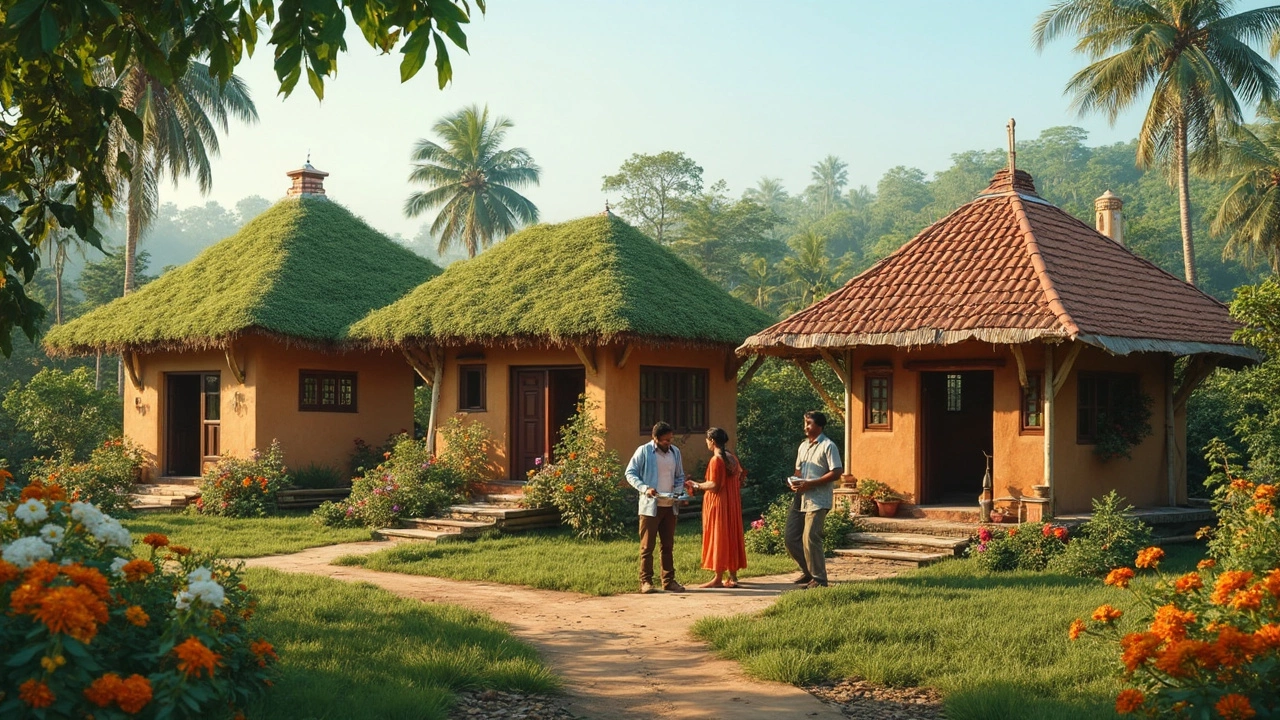
It connects directly to eco-friendly cottages, small, low-impact homes designed to minimize environmental harm while maximizing comfort. These aren’t just cabins with solar panels slapped on top. Real eco-friendly cottages are built from the ground up to use less—less power, less water, less waste. They rely on passive design: south-facing windows for winter sun, overhangs for summer shade, natural ventilation instead of AC. And they’re often paired with net zero home, a residence that produces as much renewable energy as it consumes over a year. Think solar panels, rainwater harvesting, and high-efficiency appliances working together. You’ll find real examples of this in posts about luxury green homes that don’t just look good—they actually run on sunshine.
What’s surprising? You don’t need to go all-in to see results. Many guests at woodland retreats notice a difference just from switching to energy-efficient lighting or sealing drafty windows. The savings add up fast—lower bills, fewer complaints about overheating, and a quieter, calmer stay. And if you’re thinking of renting out your cottage, energy efficiency isn’t just eco-friendly—it’s a selling point. Travelers today ask about it. They check for smart thermostats, solar power, and low-energy appliances before booking.
That’s why this collection dives into real cases: from the $1 billion eco-friendly cottage in British Columbia that powers itself, to everyday cabins that cut energy use by 60% with simple upgrades. You’ll see how people make their Airbnbs greener, what really goes into a sustainable home, and why some so-called "eco-friendly" properties are just marketing fluff. Whether you’re a guest looking for a quiet, affordable retreat or a host trying to do better, the answers here aren’t theoretical. They’re practical. Tested. Done.
Below, you’ll find honest stories from real people who’ve made their stays more efficient, saved money, and lived better because of it. No hype. No jargon. Just what works.