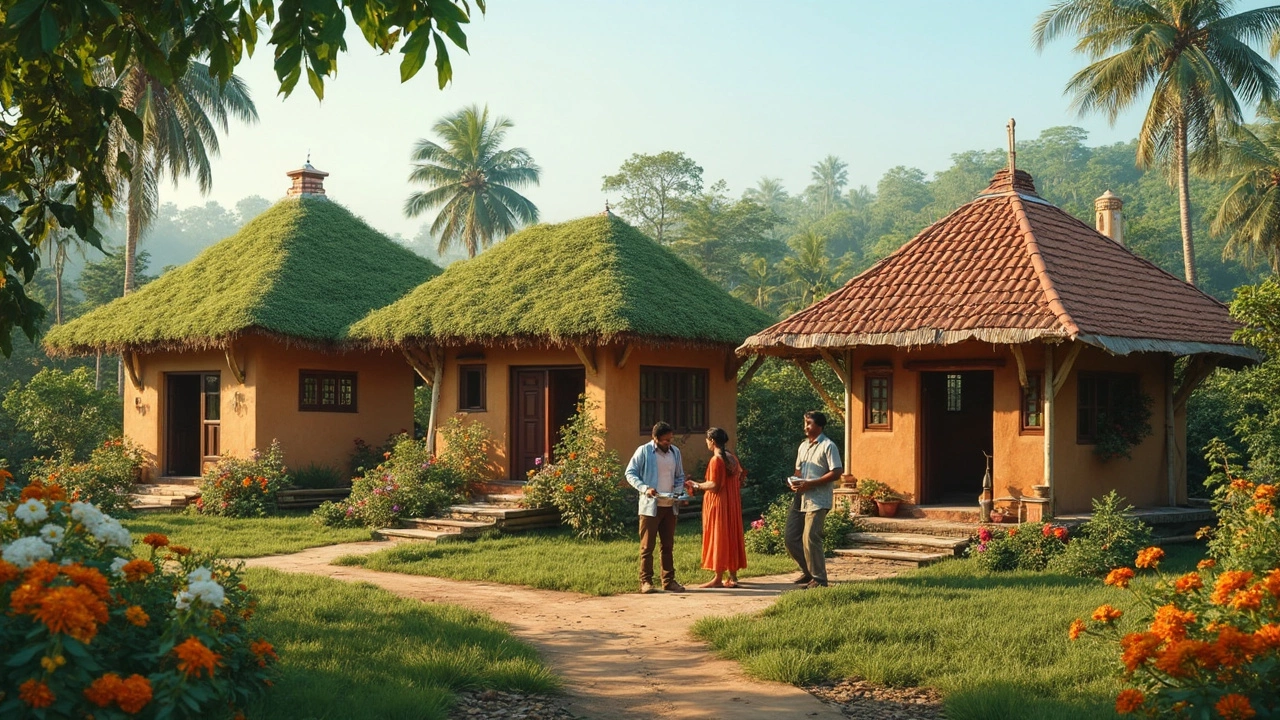
Economical House Shape: Smart Designs for Affordable, Durable Homes
When you think of an economical house shape, a design that minimizes material use while maximizing space and energy efficiency. Also known as compact home layout, it's not just about saving money—it's about building smarter for the long term. The truth? The shape of your home affects everything: heating bills, construction costs, maintenance, and even how much you enjoy living in it. A box might seem boring, but it’s often the cheapest and most efficient form you can build. Why? Less surface area means less material, less heat loss, and fewer places for leaks to hide.
Compare that to a fancy, multi-angled cottage with lots of corners and rooflines. It looks great in photos, but those extra walls and peaks cost more to build, take longer to roof, and trap cold air in winter. Tiny house design, a movement focused on minimal, functional living spaces. Also known as small footprint homes, it thrives on simple geometry—rectangles, squares, even hexagons that reduce waste without sacrificing comfort. The most economical shapes aren’t flashy. They’re clean. They’re practical. And they’re the ones you’ll find in most off-grid cabins and sustainable cottages that last decades with minimal upkeep. Think about it: a single-slope roof sheds snow better than a steep gable. A square floor plan uses insulation more evenly than a zigzag layout. These aren’t opinions—they’re physics.
Eco-friendly cottages, homes built with low-impact materials and energy-saving features. Also known as green homes, they often lean on economical shapes because sustainability starts before you buy solar panels or rainwater tanks. If your structure wastes energy just by how it’s built, no amount of fancy tech will fix that. That’s why the most successful green homes—whether they cost $50,000 or $500,000—start with the same basic shape: simple, tight, and efficient. Even the $1 billion net-zero home in British Columbia? It’s a sleek, rectangular box with a green roof. Not because it’s boring, but because it works.
You don’t need a custom design to live well. You need a smart one. The best economical house shapes aren’t found in architecture magazines—they’re found in real homes that survived harsh winters, stayed cool in summer, and didn’t bankrupt their owners. And that’s what you’ll find in the posts below: real-world examples of how shape, material, and function come together to make homes that last, save money, and feel right. No fluff. No hype. Just what actually works.