Eco-Friendly Cottage: Sustainable Stays That Actually Work
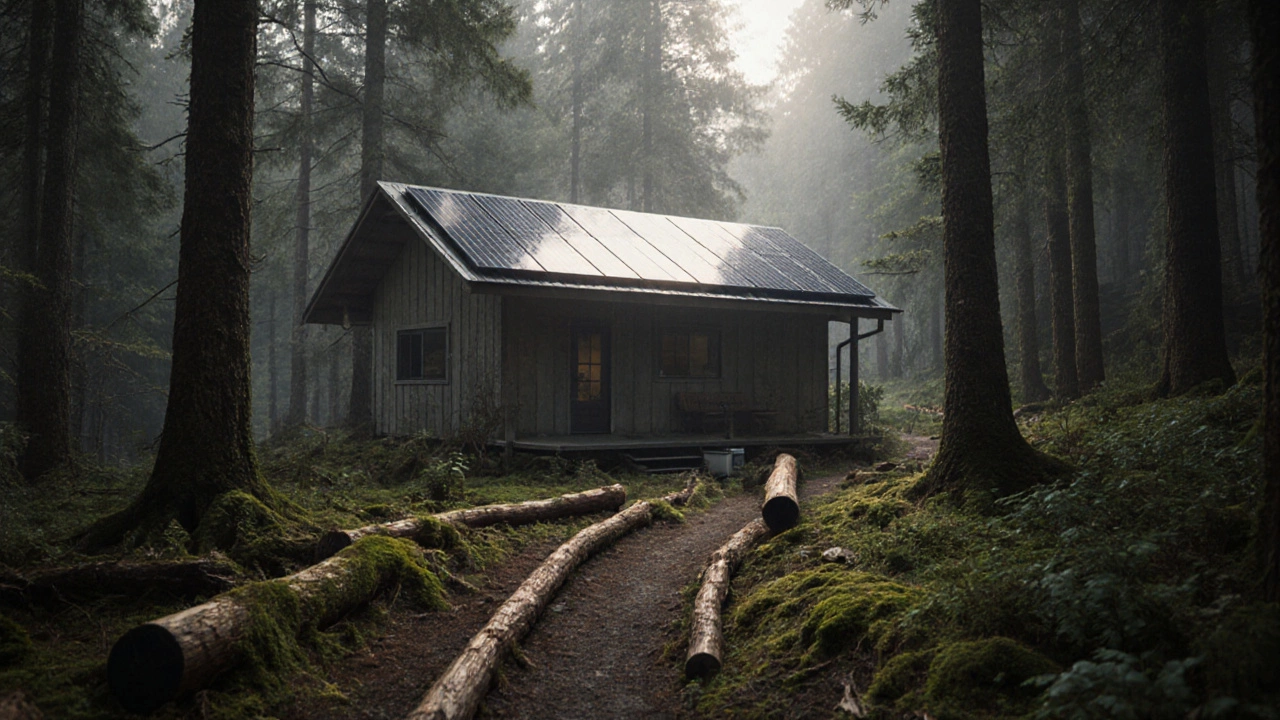
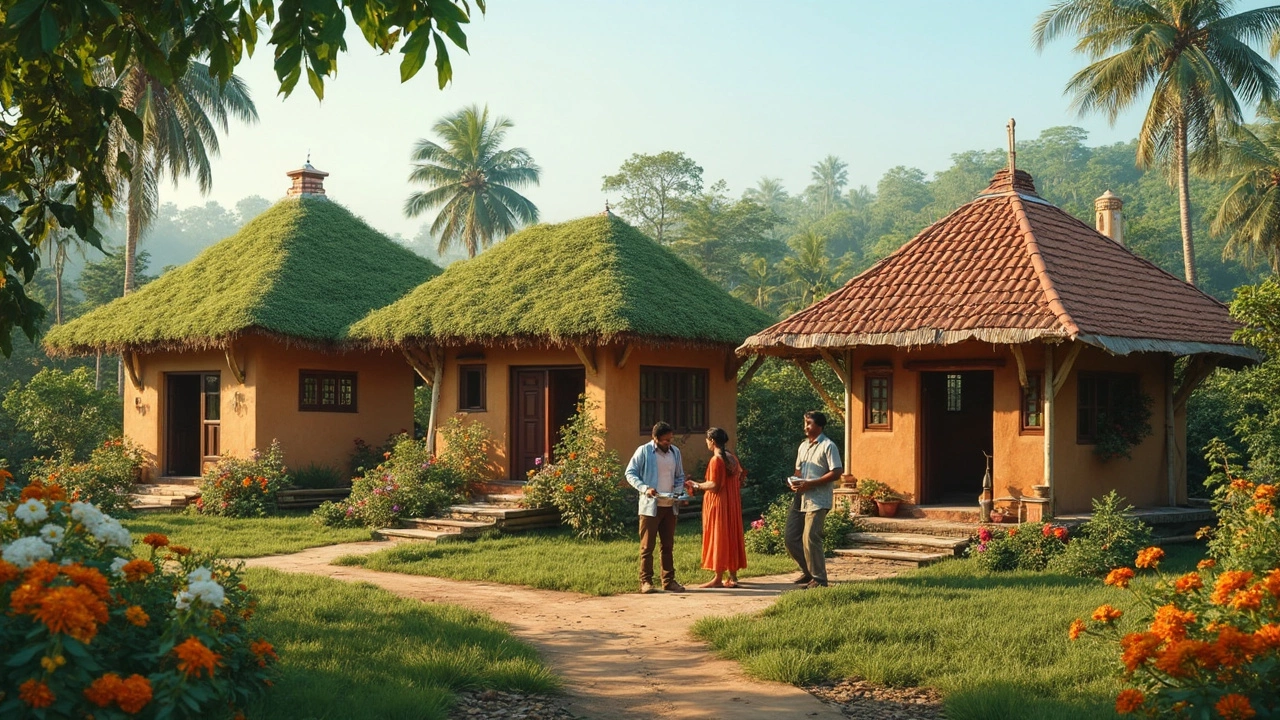
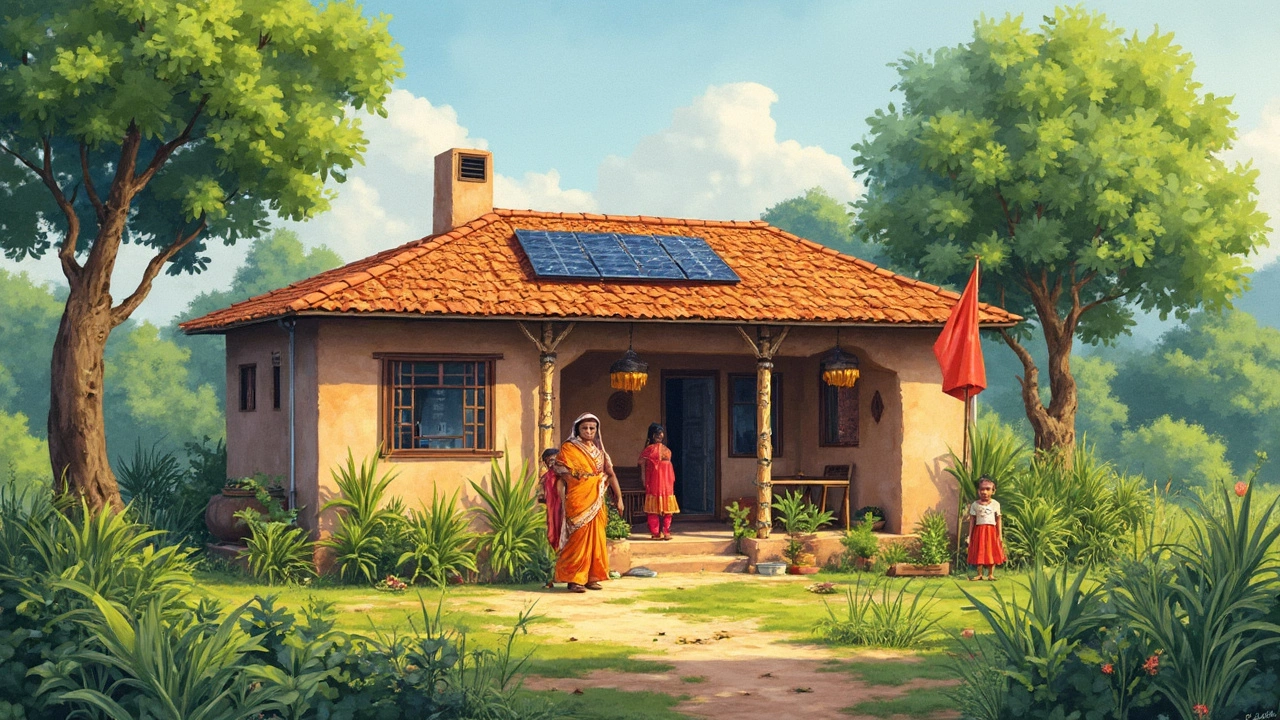
When you think of an eco-friendly cottage, a small, low-impact home built or renovated to minimize environmental harm while maximizing comfort. Also known as a green cottage, it’s designed to use less energy, waste less water, and leave a lighter footprint than traditional vacation homes. This isn’t about fancy solar panels or expensive certifications—it’s about smart choices that add up. Think natural insulation, rainwater collection, locally sourced wood, and passive heating. These aren’t luxury add-ons; they’re basics for any real eco-friendly cottage.
What sets an eco-friendly cottage, a small, low-impact home built or renovated to minimize environmental harm while maximizing comfort. Also known as a green cottage, it’s designed to use less energy, waste less water, and leave a lighter footprint than traditional vacation homes. apart from a regular cabin? It’s not just what’s built, but how it’s lived in. Many people confuse sustainable cottages, homes designed to operate with minimal environmental impact over their entire lifecycle. Also known as green homes, they prioritize renewable materials and energy efficiency from foundation to furnishings. with just being off-grid. But you don’t need to live without electricity to be eco-friendly. A cottage with LED lighting, energy-efficient windows, and composting toilets can be just as sustainable as one with solar panels. And while off-grid homes, residences that operate independently from public utilities like electricity, water, and sewage systems. Often used in remote areas and popular in eco-tourism. sound ideal, they’re not always practical—or necessary. The real win is reducing your impact without sacrificing comfort.
What you’ll find in these posts isn’t theory—it’s real talk from people who’ve lived in these spaces. You’ll learn how long a well-built eco-friendly cottage actually lasts, what makes one worth $37 million, and how to turn your Airbnb into a green space without breaking the bank. You’ll see how glamping and vacation cabins compare, what hidden costs come with "sustainable" labels, and why some so-called eco-friendly stays are just marketing. This isn’t a list of perfect homes—it’s a guide to the honest, working ones. Whether you’re planning a trip, building your own retreat, or just curious about what sustainability really looks like on the ground, these stories cut through the noise. Here’s what actually works—and what doesn’t.