Eco-Friendly City: What It Really Means and How It Shapes Your Stay
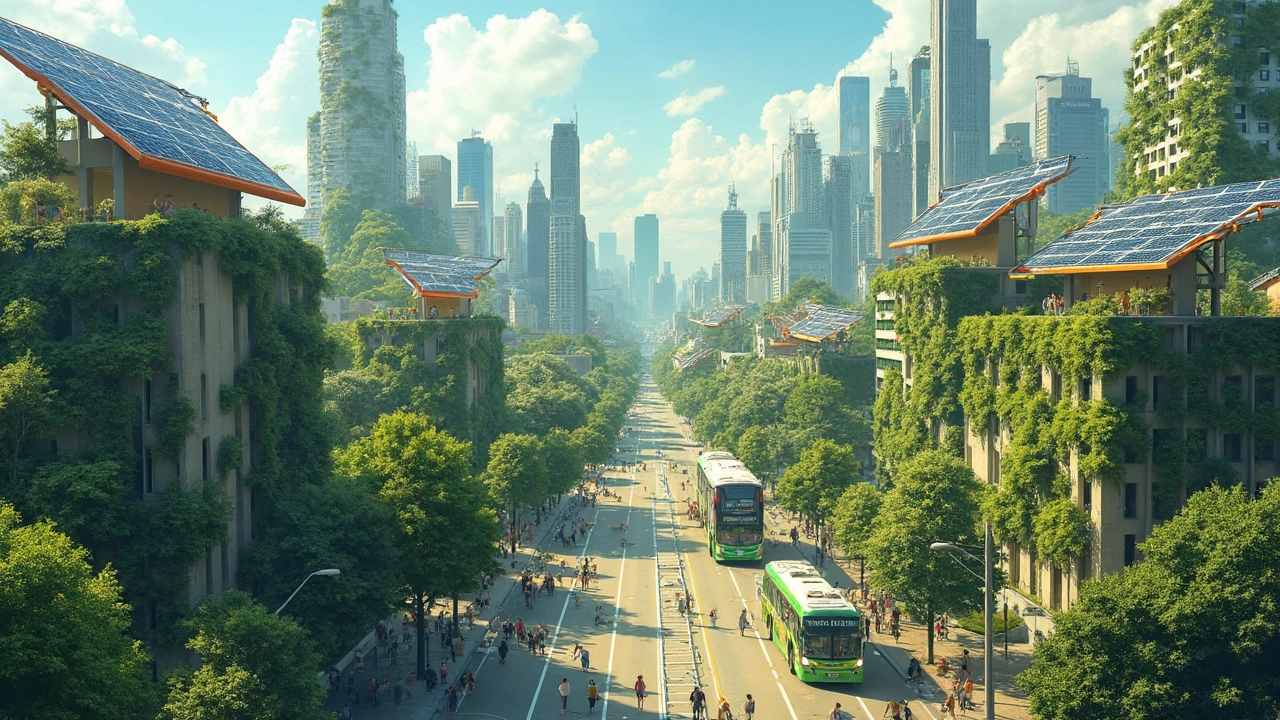
When we talk about an eco-friendly city, a place designed to minimize environmental impact through smart energy use, waste reduction, and sustainable building practices. It's not just about planting trees or banning plastic—it's about how every building, road, and service is built to last without draining the planet. Think of it like a living system where every part works together: homes generate their own power, water is reused, and transport doesn’t rely on gas. Places like this don’t just feel peaceful—they’re built to stay that way for generations.
What makes a city truly eco-friendly isn’t just the big policies—it’s the small things too. Take eco-friendly cottages, small, energy-efficient homes often made with natural or recycled materials and designed to blend into nature. These aren’t just cute getaways—they’re proof that sustainable living works at a human scale. And when these cottages are part of a larger network—like a resort that runs on solar power, composts food waste, and uses rainwater for landscaping—you start to see what an eco-friendly city, a place designed to minimize environmental impact through smart energy use, waste reduction, and sustainable building practices. It's not just about planting trees or banning plastic—it's about how every building, road, and service is built to last without draining the planet. really looks like. It’s not about being perfect. It’s about making better choices, again and again.
Some people think green living means giving up comfort. But the most expensive net-zero homes, homes that produce as much energy as they use, often with solar panels, smart insulation, and on-site water systems. These homes are often called luxury because they’re built with top-tier materials and advanced tech, but their real value is in how little they cost to run over time. prove that. A $37 million green mansion might sound wild, but if it never sends a single dollar to the power company and cleans its own water, is it really expensive? Or is it just smarter? That’s the shift happening in places that care about the future. They’re not just avoiding damage—they’re building something that gives back.
And it’s not just about the buildings. An eco-friendly city changes how you experience a place. No more plastic-wrapped breakfasts at the resort. No more AC blasting while windows stay shut. Instead, you wake up to natural light, walk to local food stalls, and sleep knowing your stay didn’t cost the earth. That’s the quiet difference. You don’t need to be an activist to feel it. You just need to stay somewhere that’s built differently.
Below, you’ll find real stories from people who’ve lived this way—how tiny houses last decades, why some green homes cost a fortune but save even more, and how even your Airbnb can be part of the change. No fluff. No buzzwords. Just what works, what doesn’t, and what you can actually use on your next trip.