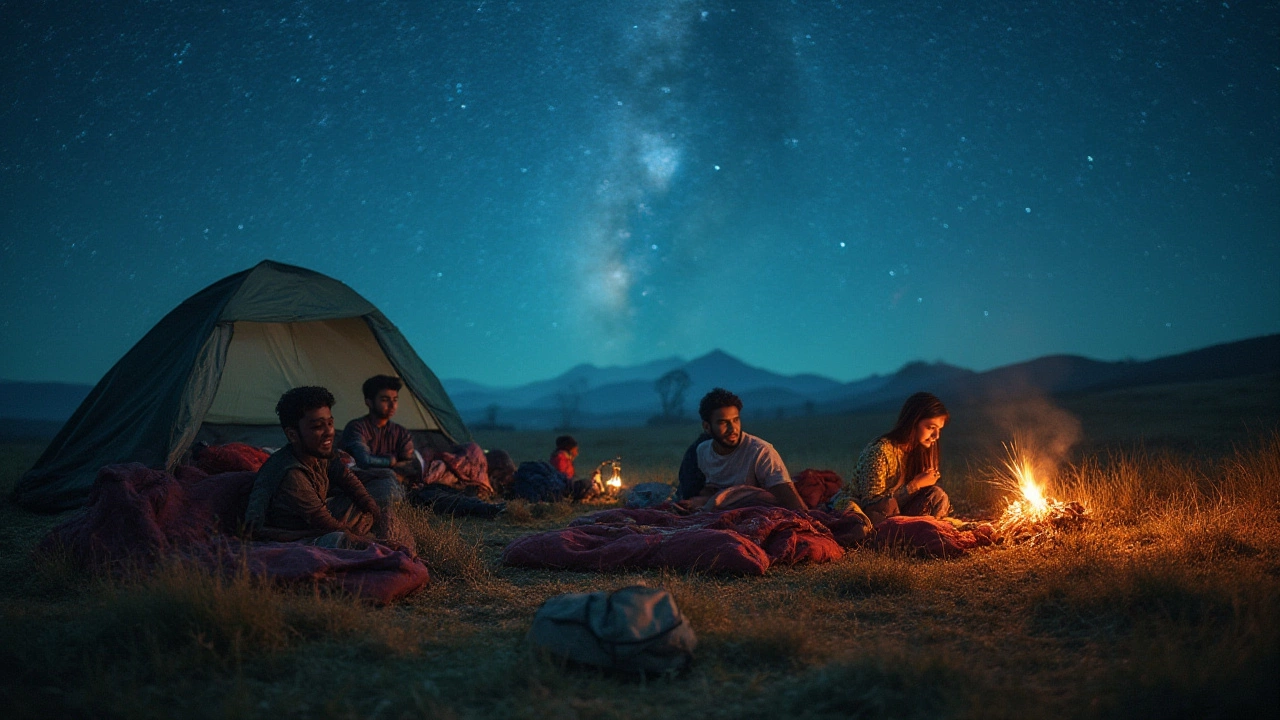
Cowboy Camping: The Ultimate Guide to Sleeping Under the Stars
Discover cowboy camping—sleeping outside with no tent. Learn the essentials, get safety tips, and see if this back-to-basics adventure is for you.
Read MoreWhen people talk about cowboy camping, a minimalist form of outdoor sleeping with no tent, no frills, just a sleeping bag and the open sky. Also known as barebones camping, it’s the opposite of luxury stays—no electricity, no showers, no reservations. Just you, the ground, and whatever the weather brings. It’s not about roughing it for the sake of it. It’s about reconnecting with the rhythm of nature without the middleman.
Think of glamping, a blend of glamour and camping with comfy beds, heated floors, and sometimes even private hot tubs. Also known as luxury camping, it’s designed to make the outdoors feel like a five-star hotel. Cowboy camping flips that on its head. No mattresses. No mini-fridges. No staff bringing coffee at sunrise. Instead, you get silence so deep you hear your own heartbeat. You get stars so bright they feel like they’re falling. And you get the kind of peace that doesn’t come from Wi-Fi or spa treatments.
It’s not for everyone. But if you’ve ever felt boxed in by resorts, all-inclusive packages, or vacation cabins that still have too many rules, cowboy camping might be your reset button. It doesn’t need a budget. It needs a willingness to be uncomfortable—and to love it. You don’t need gear. You need awareness. A good sleeping bag. A headlamp. Maybe a thin pad. That’s it. No tents means no setup. No breakdown. Just lie down when the sun goes down, wake when it rises.
This style of camping isn’t new. It’s how people lived for centuries before tents became a retail category. In places like the American West, it was the default. In India’s wilder hills and forests, it’s still practiced by shepherds, pilgrims, and those who’ve learned that comfort isn’t always in a cabin. The posts below explore this same thread—how we trade convenience for connection, how we measure value not in amenities but in quiet, how we find freedom in less.
Some of the articles here talk about vacation cabins, structured stays that offer shelter, privacy, and sometimes even kitchens. Also known as rustic cottages, they’re cozy—but they’re still a structure. Others dive into glamping costs, how much you pay to sleep in a yurt with a real bed and fairy lights. Also known as luxury outdoor stays, they’re beautiful—but they’re still a product. Cowboy camping? It’s not for sale. You can’t book it online. You can’t get a discount. You just show up, with nothing but your body and your breath.
What you’ll find in the collection below aren’t step-by-step guides to setting up a tent. They’re real stories, real prices, and real choices people made when they walked away from the noise. Whether it’s questioning all-inclusive resorts, comparing villas to cottages, or wondering if a $1 billion eco-home is really better than sleeping under a tree—these posts all circle back to the same question: What do you actually need to feel at home in the wild?
Discover cowboy camping—sleeping outside with no tent. Learn the essentials, get safety tips, and see if this back-to-basics adventure is for you.
Read More