Most Eco‑Friendly Places on Earth: Top Sustainable Destinations
Discover the world’s most eco‑friendly places, learn how they stay sustainable, and get practical tips for green travel and eco‑cottages.
Read MoreWhen we talk about carbon neutral locations, places that produce no net greenhouse gas emissions by balancing output with removal or offsetting. Also known as net zero destinations, these spots aren’t just about planting trees—they’re built from the ground up to use less energy, generate their own power, and respect the land they sit on. Think of them as the quiet heroes of modern travel: a cabin powered by solar panels, a hotel that recycles rainwater, or a resort that sources all its food within 50 miles. These aren’t futuristic dreams. They’re real places you can stay right now—in India and beyond.
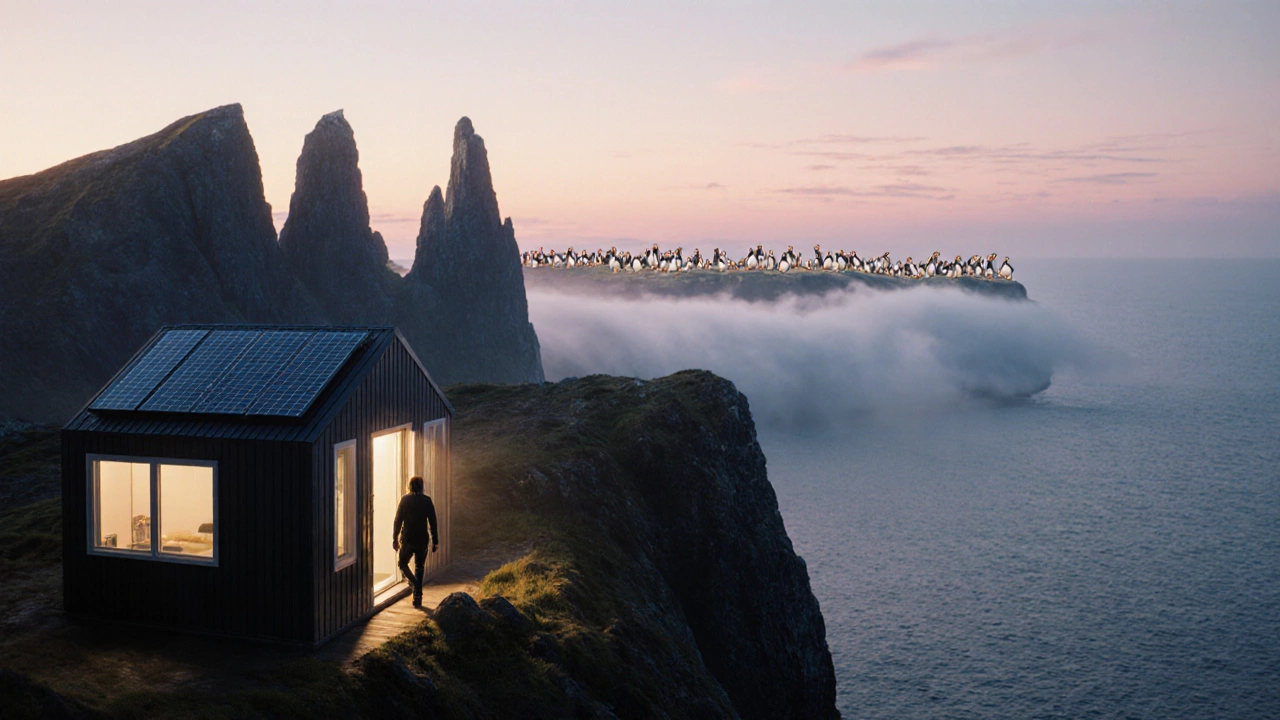
Eco-friendly cottages, small, low-impact homes designed to minimize environmental harm through insulation, renewable energy, and non-toxic materials. Also known as green cabins, they’re often the backbone of carbon neutral locations. You’ll find them tucked into forests, beside lakes, or perched on hillsides, where every window is placed to catch natural light and every wall is built to hold heat in winter and keep it out in summer. These aren’t just pretty to look at—they’re engineered. Some even produce more energy than they use, sending the extra back to the grid. And that’s where the real magic happens: when your stay helps power someone else’s home.
It’s not just about the building, though. Sustainable travel, a way of exploring that reduces harm to the environment and supports local communities. Also known as responsible tourism, it’s the glue that holds carbon neutral locations together. If a resort claims to be carbon neutral but imports bottled water from another country, or serves imported steak flown in from overseas, it’s not truly sustainable. Real carbon neutral locations serve local food, use electric shuttles, and train staff in low-waste practices. They don’t just avoid harm—they actively restore. That’s why you’ll see guests planting trees, joining clean-up walks, or learning how to compost from the staff. It’s not a gimmick. It’s part of the stay.
And then there’s net zero homes, buildings that generate as much renewable energy as they consume over a year. Also known as energy-positive homes, they’re the gold standard for carbon neutral locations. These aren’t just fancy villas with solar roofs. They’re smart. They use geothermal heating, passive solar design, and smart thermostats that learn your habits. Some even grow food on their walls. You’ll find these in the posts below—real examples of what’s possible when comfort and climate goals don’t fight each other.
What you’ll find here isn’t theory. It’s real. You’ll read about places that cut emissions by 80% just by changing how they heat water. You’ll see how a $1 billion eco-friendly cottage doesn’t just look impressive—it runs on sunlight and rain. You’ll learn why glamping can be greener than a city hotel, and how even a tiny house can outperform a luxury resort when it’s built right. These aren’t outliers. They’re the new normal—and they’re open for guests.
Discover the world’s most eco‑friendly places, learn how they stay sustainable, and get practical tips for green travel and eco‑cottages.
Read More