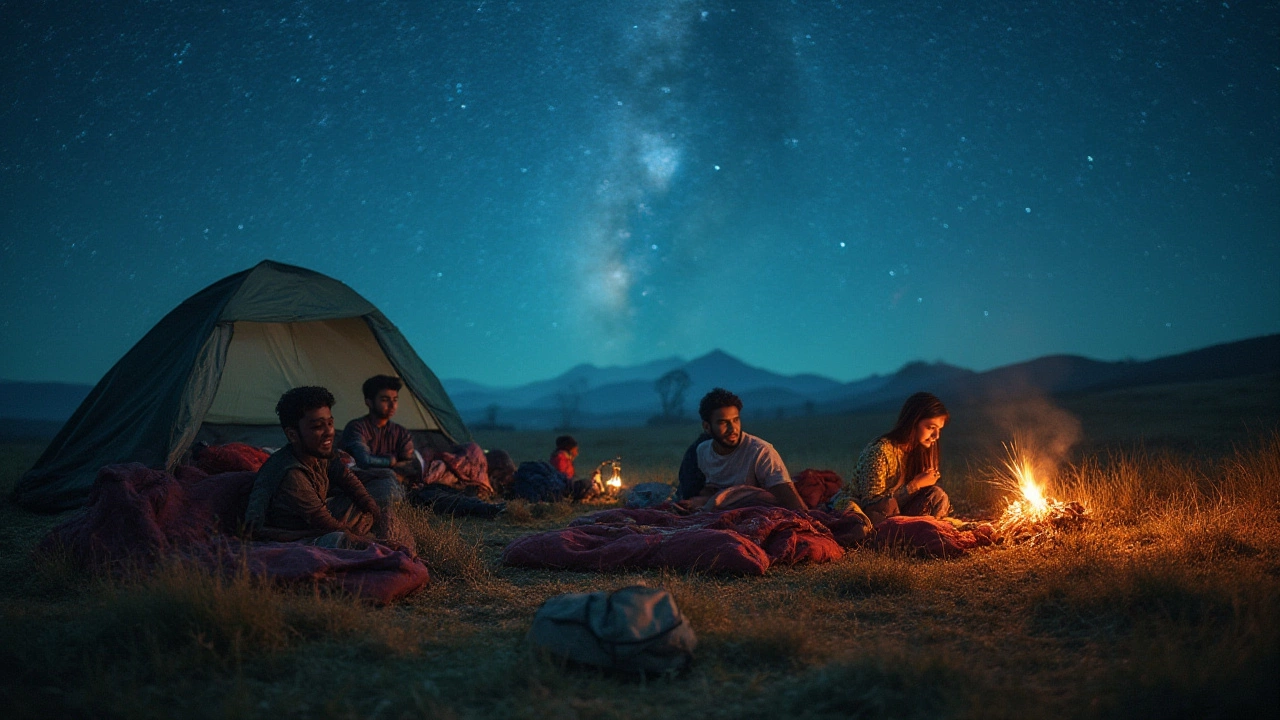
Cowboy Camping: The Ultimate Guide to Sleeping Under the Stars
Discover cowboy camping—sleeping outside with no tent. Learn the essentials, get safety tips, and see if this back-to-basics adventure is for you.
Read MoreWhen you think of camping, a simple outdoor stay in nature, often involving tents or cabins, with minimal modern comforts. Also known as outdoor camping, it’s not just about sleeping under the stars—it’s about planning, preparing, and knowing what actually matters when you’re away from home. Too many people show up with the wrong gear, skip basic safety steps, and end up cold, wet, or stressed. Good camping tips aren’t about luxury—they’re about avoiding the mistakes that ruin a trip.
One big mistake? Assuming all camping is the same. There’s glamping, a blend of camping and luxury, often with real beds, heating, and private bathrooms. Also known as luxury camping, it’s not cheap—prices range from $75 to $800 a night depending on location and season. But if you’re going traditional, your biggest cost isn’t the site—it’s the gear. A good tent, sleeping bag rated for the weather, and a reliable stove make more difference than a fancy backpack. Don’t buy everything at once. Borrow, rent, or start with basics. You’ll learn fast what you really need.
Another thing no one talks about: weather. You don’t need a forecast to know if it’s going to rain—you need to know the land. Valleys collect cold air. Hilltops catch wind. Riverbanks might look peaceful, but they flood fast. Always check the terrain before setting up. And never camp right under dead branches. Trees don’t wait for you to leave before they drop.
Food is another trap. Pre-packaged meals are easy, but they’re heavy and bland. Bring simple stuff: oats, eggs, canned beans, bread. A campfire and a pot go farther than a dozen freeze-dried pouches. And always pack extra water—or a way to filter it. Even clean-looking streams can carry giardia. A $20 filter beats a day in the bathroom any time.
Then there’s the noise. If you’re camping to escape, don’t bring a loud group. Respect quiet hours. Keep music low. Even your phone’s flashlight can ruin someone else’s night. Good eco-friendly camping, leaving no trace, minimizing waste, and using sustainable gear. Also known as green camping, it’s not about being perfect—it’s about being aware. Pack out every wrapper. Don’t burn plastic. Use biodegradable soap. These aren’t rules from a manual—they’re how you keep nature open for everyone.
And don’t forget the little things. A headlamp with extra batteries. A multi-tool. A small first-aid kit. A trash bag. These aren’t luxuries—they’re what keep you calm when things go sideways. Most emergencies aren’t dramatic. They’re just cold feet, a broken zipper, or a lost phone. Being ready stops small problems from becoming big ones.
Below, you’ll find real stories and straight advice from people who’ve been there. Whether you’re sleeping in a tent, a cabin, or a fancy dome with a view, these posts cover what actually works—no fluff, no hype. Just what you need to know before you go.
Discover cowboy camping—sleeping outside with no tent. Learn the essentials, get safety tips, and see if this back-to-basics adventure is for you.
Read More