Cabin vs Hotel: Which Is Right for Your Next Getaway?
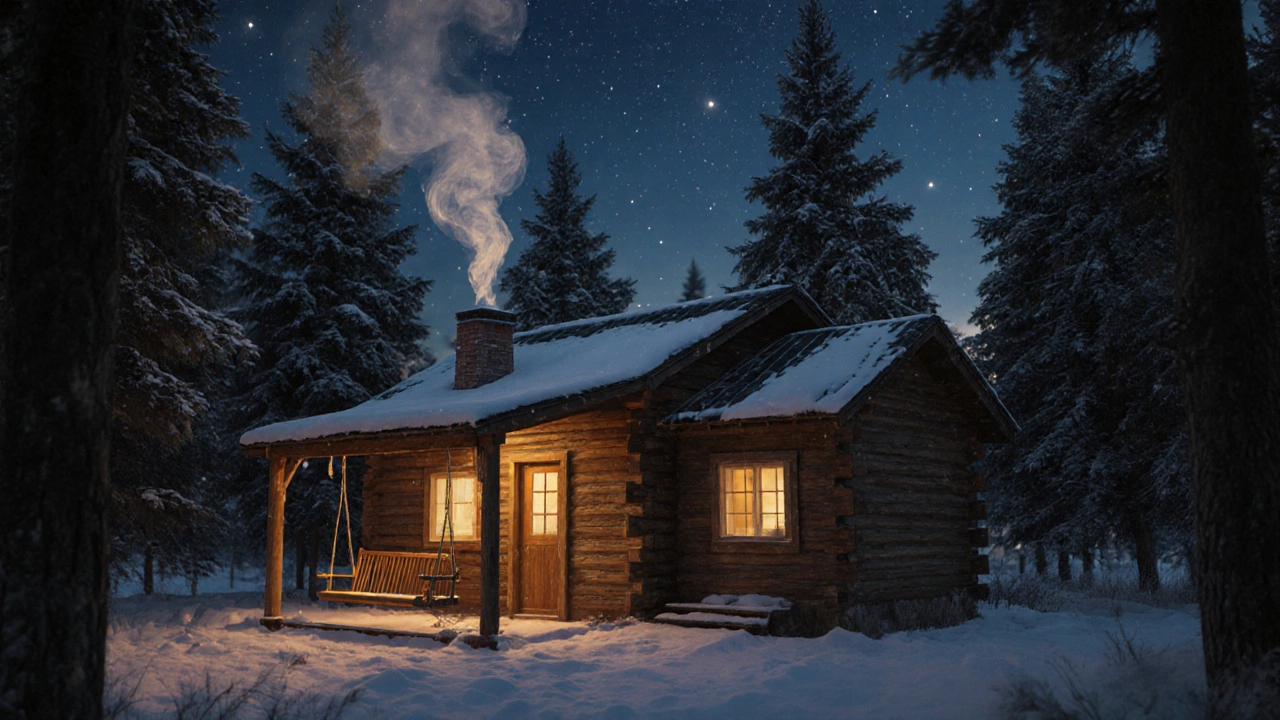
When you’re planning a trip into the woods, the choice between a cabin, a small, often rustic structure built for quiet retreats in natural settings, commonly made from wood and designed for self-sufficiency. Also known as cottage, it and a hotel, a commercial building offering lodging, meals, and services to travelers, often with staff, amenities, and structured routines. Also known as resort, it isn’t just about price—it’s about the kind of escape you want. A cabin pulls you into the rhythm of nature: firewood crackling, birds waking you up, no Wi-Fi signal to distract you. A hotel gives you comfort on demand: hot showers at 7 a.m., room service, a concierge who knows the best local spot. Both can be peaceful. But they feel totally different.
The real difference shows up in the details. A cabin, especially one labeled as an eco-friendly cottage, a small, low-impact dwelling built with sustainable materials and designed to minimize environmental footprint, often runs on solar power, collects rainwater, and uses composting toilets. You’re not just staying somewhere—you’re living lightly. A hotel, even a luxury one, still uses energy-heavy systems, mass-produced linens, and centralized HVAC. But if you want a spa, a pool, or a breakfast buffet with real eggs instead of powdered scramble, the hotel wins. And if you’re traveling with kids or need accessibility features, hotels usually have more options built in. Cabins? They’re often simpler—no elevators, maybe no air conditioning, but that’s part of the charm.
Cost-wise, a cabin can surprise you. Some luxury glamping cottages run $800 a night—more than a mid-range hotel. Others, tucked away in the hills, cost less than $100 and feel richer because of it. Hotels charge for everything: parking, Wi-Fi, minibar, even towels sometimes. Cabins might charge extra for firewood or cleaning, but you’re paying for space, not service. The trade-off? In a cabin, you’re in charge. You light the fire, make your coffee, and decide when to walk the trail. In a hotel, someone else does it for you. Neither is better. But if you’re tired of being told what to do—even on vacation—a cabin gives you back control. And if you want to unwind without lifting a finger? A hotel lets you just breathe.
What you’ll find below are real stories from people who’ve chosen one over the other. Some stayed in a $1 billion net-zero cottage. Others booked a basic cabin with no running water and loved every minute. You’ll see how tipping works at all-inclusive resorts, why some people live full-time in hotels, and what’s really included when you pay for "unlimited drinks." We’ve pulled together the facts, the myths, and the quiet truths about where you sleep when you want to get away. No fluff. Just what matters when you’re deciding between wood and walls.