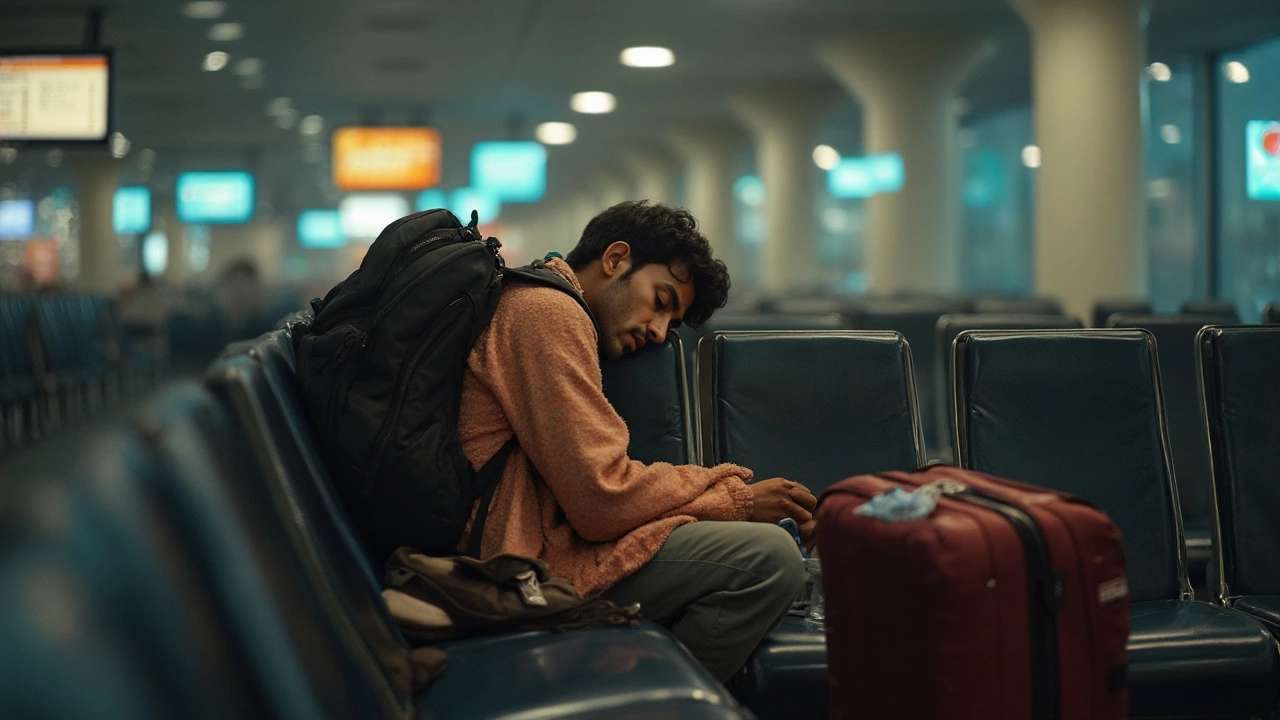
Airport Sleeping: What You Need to Know About Overnight Stays
When your flight gets delayed, canceled, or lands at 3 a.m., airport sleeping, the practice of resting in an airport terminal overnight when no hotel is available or affordable. Also known as overnight at airport, it’s not a glitch—it’s a reality for millions of travelers every year. You don’t need a ticket to a luxury hotel to get some rest. But not all airports are built for it, and not all staff will welcome you with open arms.
Some places, like airport lounges, dedicated areas in terminals offering seating, food, and sometimes showers for travelers with access passes or premium tickets, are designed for comfort. Others, like the floor near Gate B12, are not. If you’re planning to sleep at an airport, knowing where to go makes all the difference. A few airports—like Singapore’s Changi, Munich, or even Delhi’s Terminal 3—have actual sleep pods, quiet zones, or even nap rooms. But most? You’re on your own. That means finding a spot that’s safe, not too cold, and away from the loudspeakers. It also means knowing the rules: some airports ban sleeping outright. Others turn a blind eye. And a few even offer free blankets or pillows during long delays.
What you’ll find in the posts below isn’t a list of dreamy resorts or luxury cabins. It’s the real stuff—the kind of advice that keeps you sane when you’re stuck in a terminal with no bed, no privacy, and too much caffeine. You’ll learn how to pick the quietest corner, what to pack to turn a plastic chair into a makeshift bed, and which airports are surprisingly traveler-friendly after hours. You’ll also see how some people turn airport sleeping into a habit, not a crisis. Whether you’re a budget backpacker, a stranded business traveler, or just caught in a weather delay, this collection gives you the tools to survive—and even rest—without spending a dime on a hotel room.