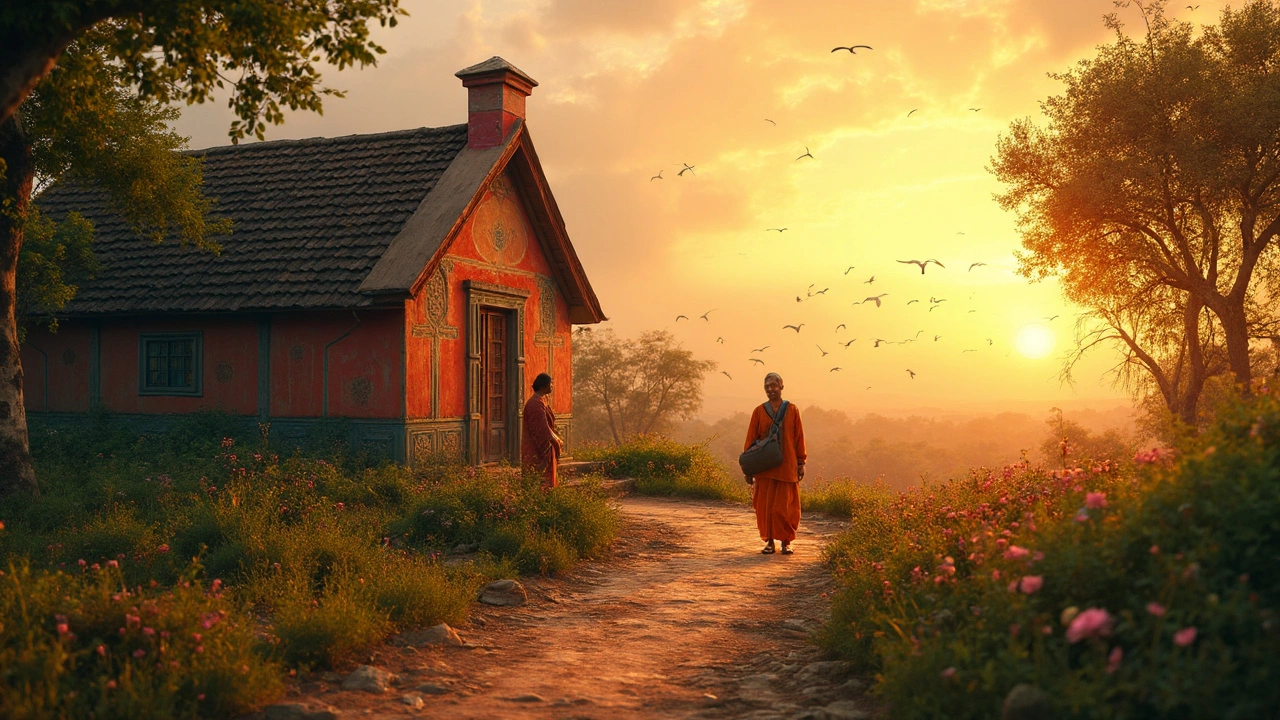
Eco-Friendly Cottages in 2025: What You Need to Know
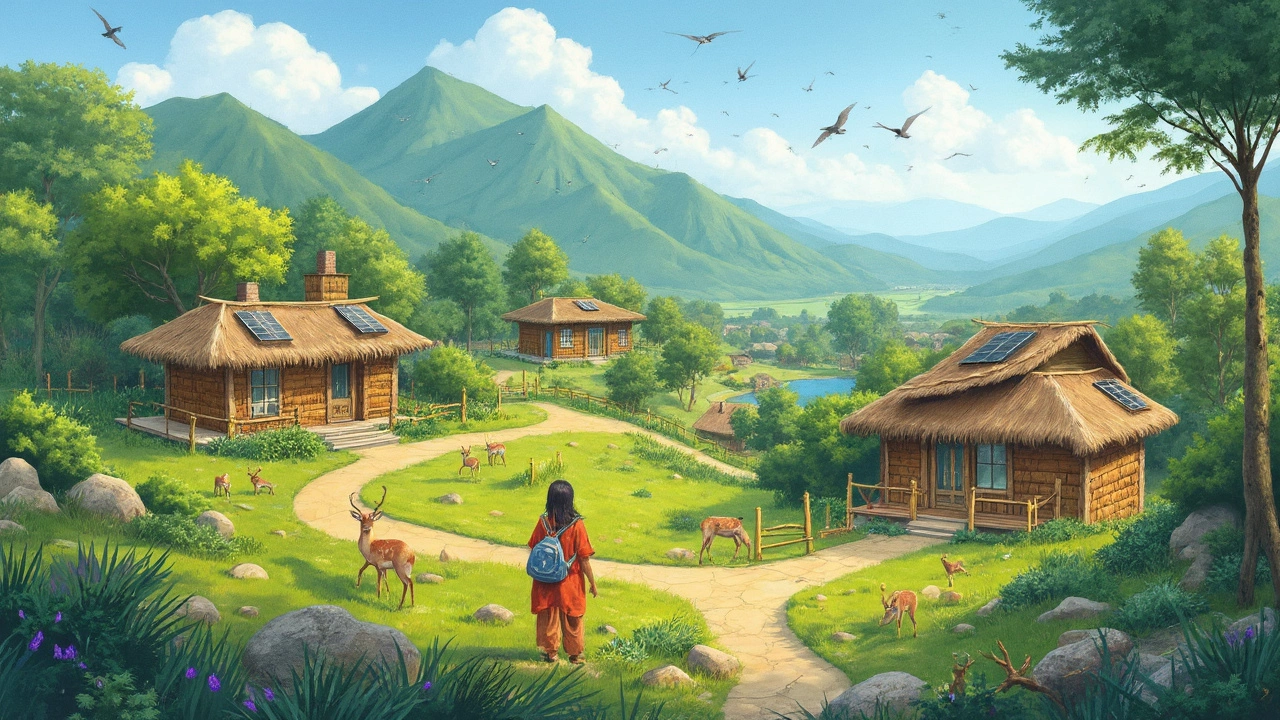
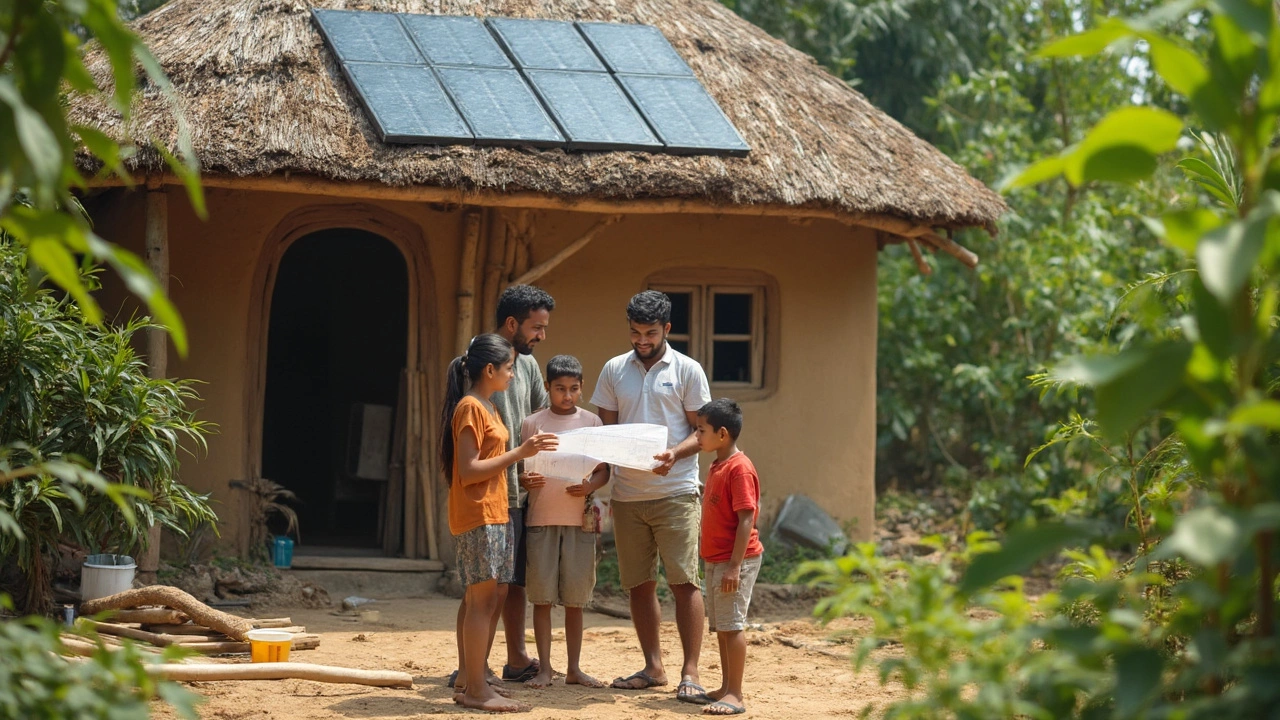
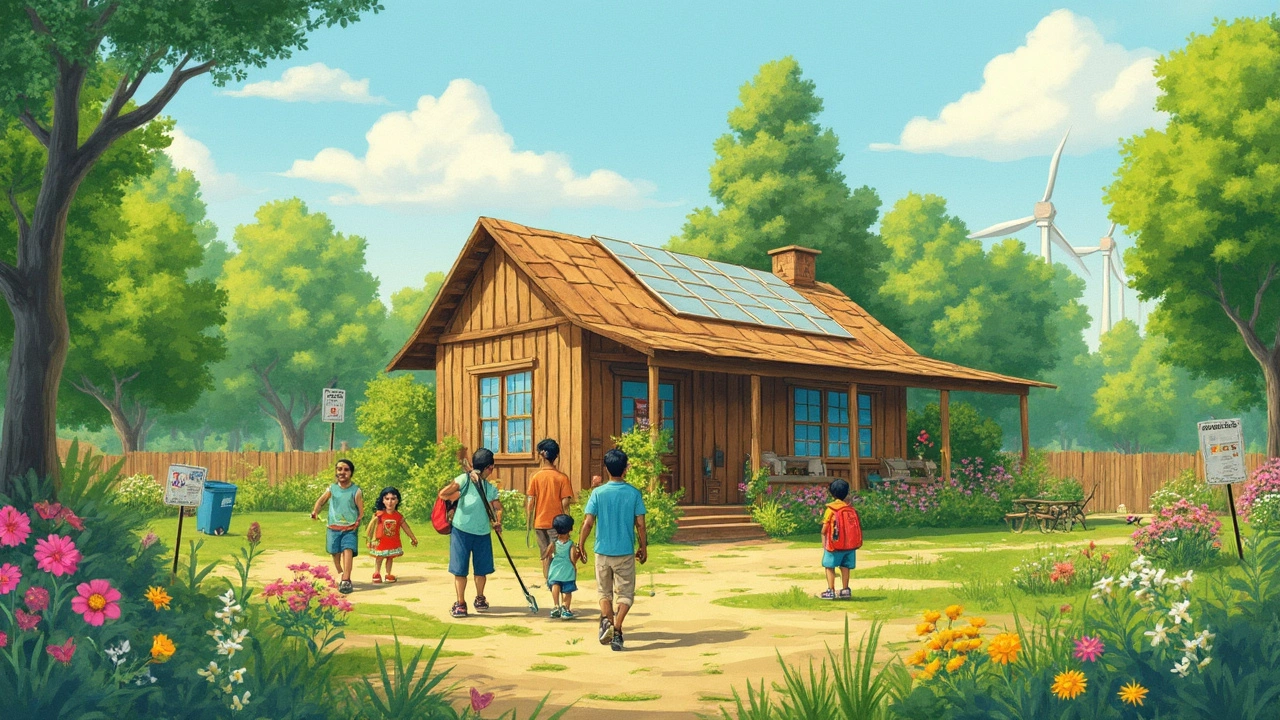
When you think of a getaway that feels quiet, clean, and truly connected to nature, you’re probably thinking of an eco-friendly cottage, a small, sustainable home designed to minimize environmental impact while maximizing comfort. Also known as green cottage, it’s more than just a cozy cabin—it’s a deliberate choice to live lighter, even if just for a weekend. These aren’t just homes with solar panels and compost bins. They’re built with reclaimed wood, powered by passive heating, and often tucked into places where wildlife thrives because humans chose to tread softly. And in 2025, they’re not a niche trend—they’re becoming the new standard for travelers who care about where they stay, not just how much they spend.
What makes an eco-friendly cottage, a small, sustainable home designed to minimize environmental impact while maximizing comfort. Also known as green cottage, it’s more than just a cozy cabin—it’s a deliberate choice to live lighter, even if just for a weekend. stand out isn’t just the materials. It’s the location. You’ll find the best ones in states like Vermont, Oregon, and Maine, where local laws support renewable energy and conservation. These spots aren’t just pretty—they’re planned. The sustainable travel, a form of tourism that prioritizes environmental responsibility, cultural respect, and economic fairness for local communities. Also known as green travel, it’s a growing movement that’s reshaping how people choose vacations isn’t just about skipping plastic straws. It’s about choosing a place that runs on rainwater harvesting, uses LED lighting powered by solar, and hires locals to manage the property. That’s the kind of place that doesn’t just say it’s green—it proves it.
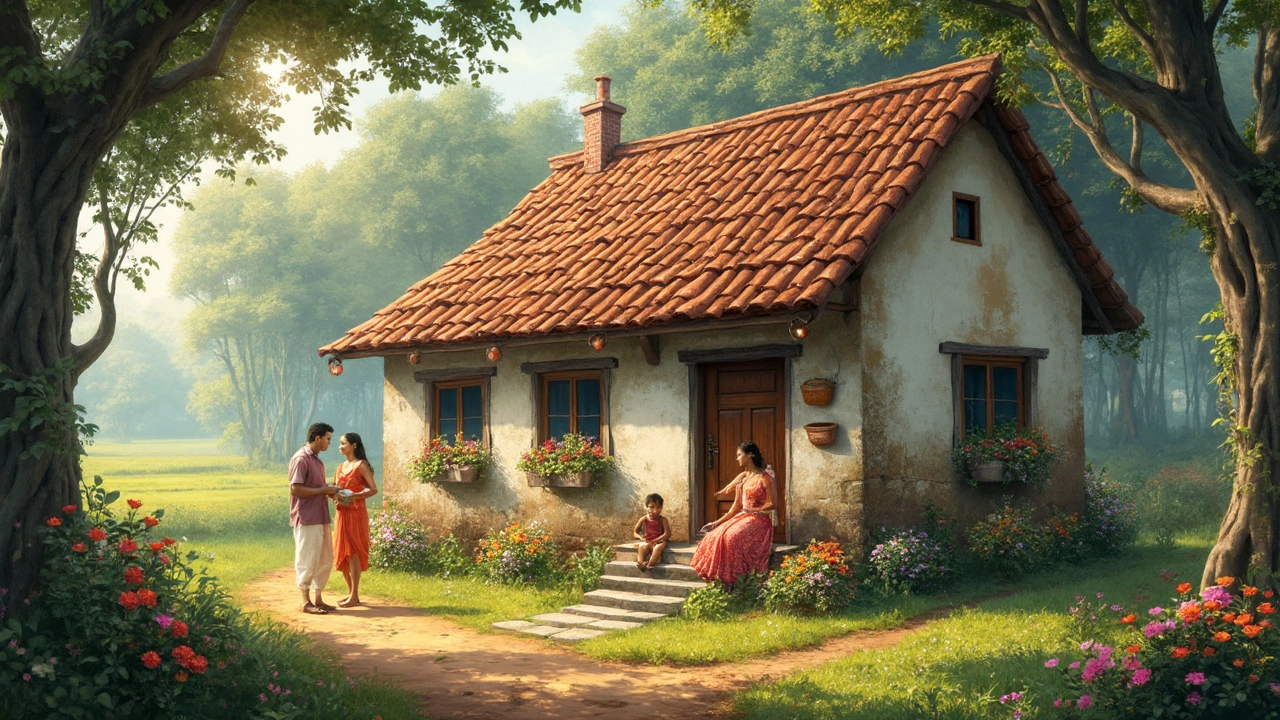
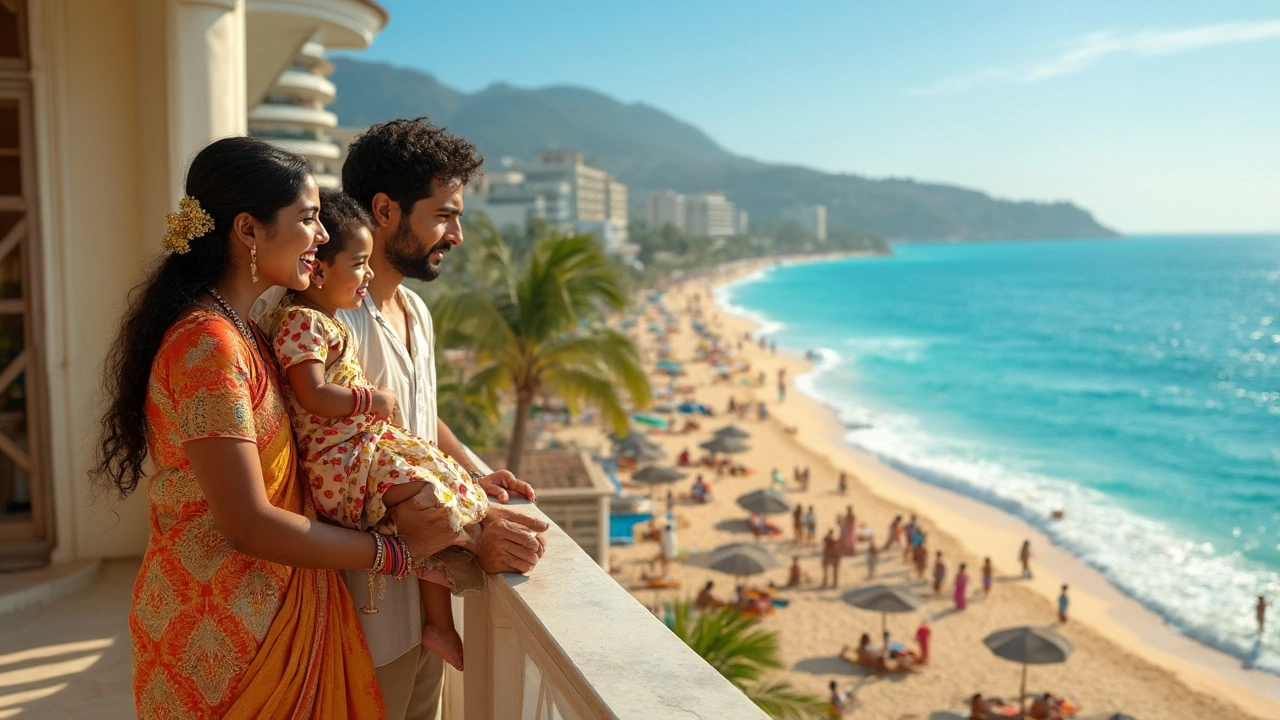
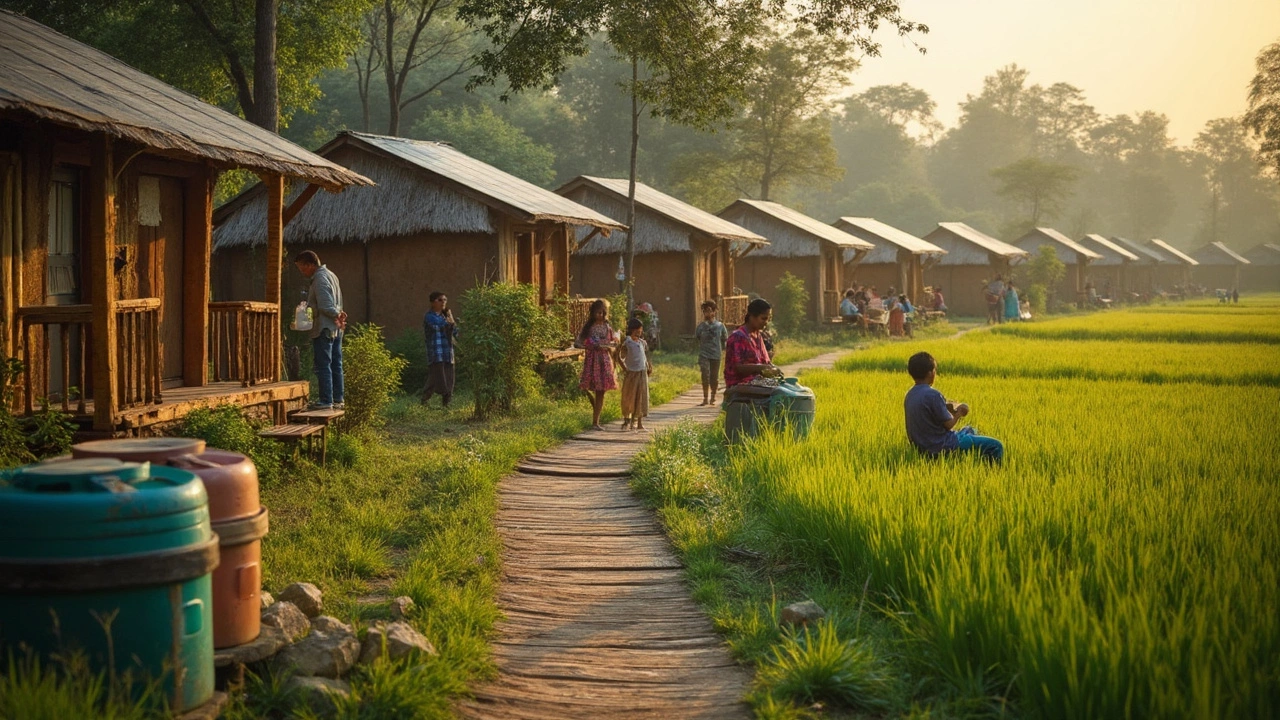
But here’s the thing: not every cottage labeled "eco" actually is. Some are just painted green and called sustainable. That’s why knowing the real traits matters—like whether the insulation is made from recycled denim, if the water heater runs on heat pumps, or if the owner actually lives on-site and manages waste responsibly. And it’s not just about the cottage. The whole experience ties into how you travel. Are you flying across the country? That footprint matters. Are you driving a hybrid and staying put for a week? That’s a different story. That’s why posts on this page cover everything from rural cottages, traditional small homes in countryside settings, often built with local materials and designed for seasonal living. Also known as country cottages, they form the backbone of low-impact vacation culture in North America and Europe to the hidden costs of all-inclusive resorts, vacation properties that bundle meals, drinks, and activities into one upfront price, commonly found in tropical destinations. Also known as all-inclusive hotels, they dominate Caribbean and Mexican tourism but rarely appear in the U.S. due to cultural and economic differences and why they don’t fit the same mold as a quiet forest cottage.
What you’ll find here isn’t a list of pretty pictures. It’s real talk. You’ll learn why cabins feel more romantic than hotels, how glamping can actually be greener than a resort, and why booking directly with the owner often gets you a better deal—and a more honest story. You’ll see where eco-friendly homes fall short, what to watch out for when buying one, and which U.S. states are actually leading the charge in green tourism. Whether you’re planning your next escape or just dreaming about one, this collection gives you the facts, not the fluff. No hype. Just what works, what doesn’t, and where to find the real deal.