What Is a Cottage? Simple Definitions, Types, and Why They’re Perfect for Getaways
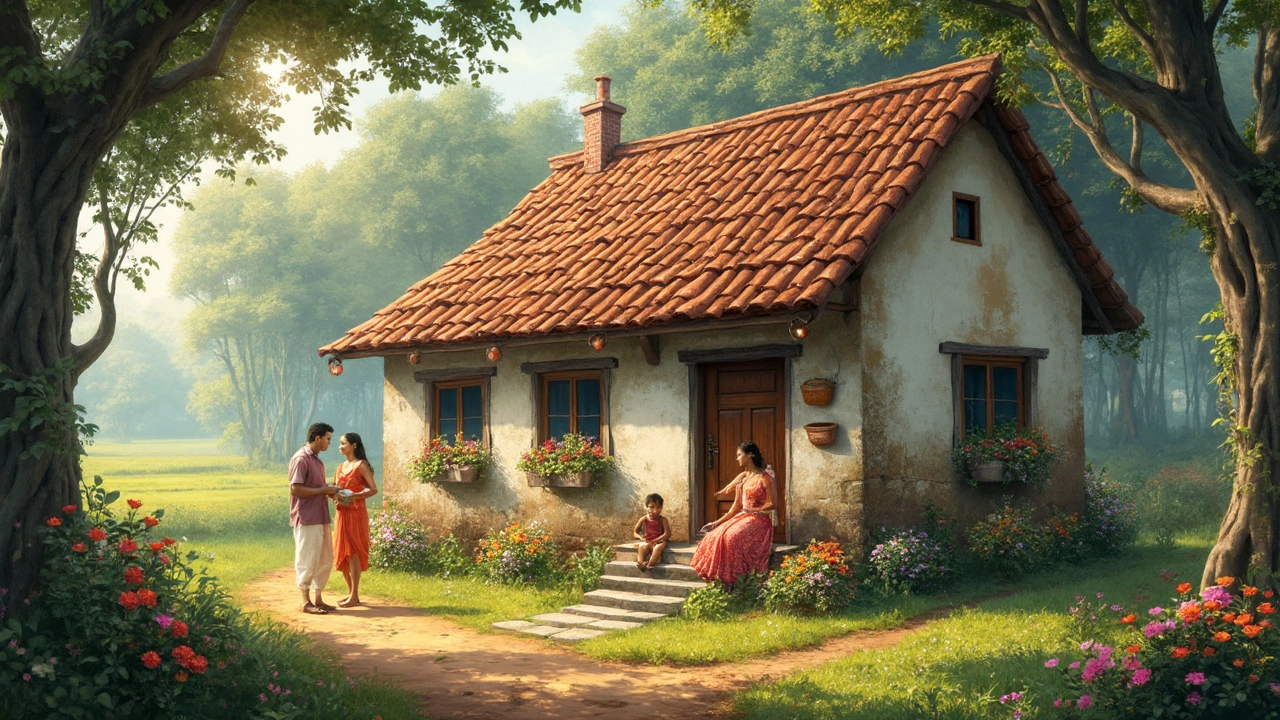
A cottage, a small, often charming residential building typically nestled in rural or scenic areas. Also known as a country house, it’s designed for comfort, not size—perfect for slowing down and reconnecting with nature. Unlike big hotels or sprawling villas, cottages feel personal. They’re usually made of wood, stone, or local materials, with low roofs, small windows, and a warm, lived-in vibe. You won’t find elevators or room service here, but you’ll find fireplaces, porch swings, and the sound of birds instead of traffic.
Many people mix up cottages with cabins or villas. A vacation cabin, a simple, rustic structure often built for outdoor recreation. Also known as a wooden retreat, it’s usually more basic—think log walls, minimal insulation, and a focus on function over style. A villa, a larger, luxurious standalone home, often with pools, multiple bedrooms, and high-end finishes. Also known as a luxury estate, it’s built for hosting, not hiding away. A cottage sits between them: more refined than a cabin, smaller and cozier than a villa. And if you’ve seen those fancy glamping cottages, camping-style stays with upscale amenities like heated floors, king beds, and private hot tubs. Also known as a luxury camping experience, they’re the modern twist on the classic cottage—perfect for travelers who want comfort without giving up the wild. Some even come with solar panels and rainwater systems, making them part of the growing trend of eco-friendly cottages, homes built to minimize environmental impact using sustainable materials and energy-saving tech. Also known as a green retreat, they’re not just trendy—they’re practical for long-term stays in nature.
Why does this matter? Because if you’re looking for peace, privacy, and a real break from city noise, a cottage delivers what hotels can’t. You get space to breathe, a kitchen to cook in, and the freedom to wake up to silence. Whether it’s a romantic cottage for two or a quiet spot for solo reflection, the design is intentional: less distraction, more presence. And in places like the Himalayan foothills or the Western Ghats, these cottages aren’t just buildings—they’re part of the landscape, built to last and built to blend.
What you’ll find in the posts below are real stories about what makes these places work—how long they last, how much they cost, whether tipping matters in remote spots, and why some people pay thousands for a single night in a net-zero cottage. You’ll learn what’s hidden in the fine print of glamping deals, why some cottages cost more than hotels, and how to tell if a place is truly eco-friendly or just calling itself that. No fluff. Just what you need to pick the right one for your next escape.